
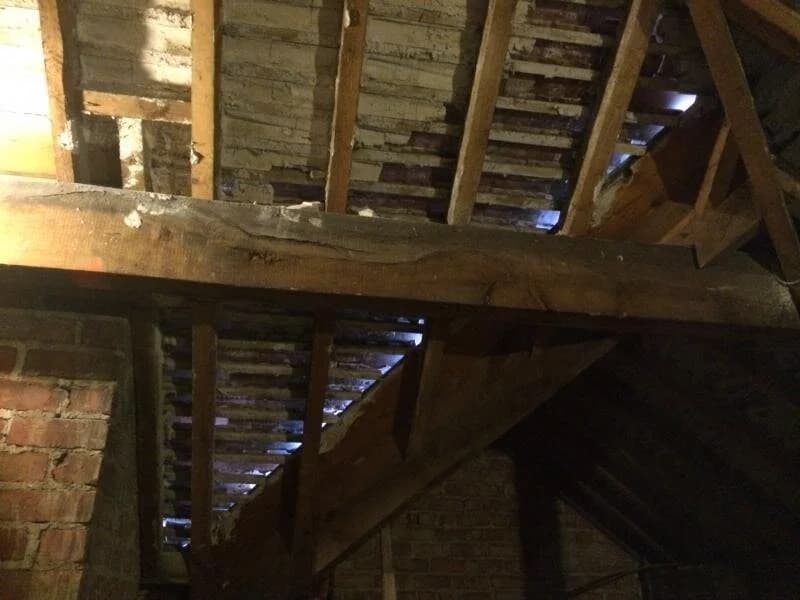
It almost feels like a cruel joke. The roof behaves itself all day, and then the moment you've turned off the lights, you hear a drip, or you wake up to a fresh stain spreading across the ceiling. You're not imagining it, and it isn't bad luck. There are real, physical reasons leaks tend to announce themselves after dark, and understanding them helps you act faster and smarter when one finally does.
Temperature Swings Open Up Gaps
San Diego days and nights can differ by a surprising amount, especially in the cooler winter months when leaks tend to surface. As the roof heats up in the afternoon sun, materials expand; as the night air cools them back down, they contract. Flashing, sealant, and aging shingles flex with every one of those cycles. A hairline gap that's pinched shut under the warm afternoon sun can open just enough overnight to let water slip through, which is exactly why a leak you never saw during the day suddenly appears once the temperature drops.
Rain Timing and the Marine Layer
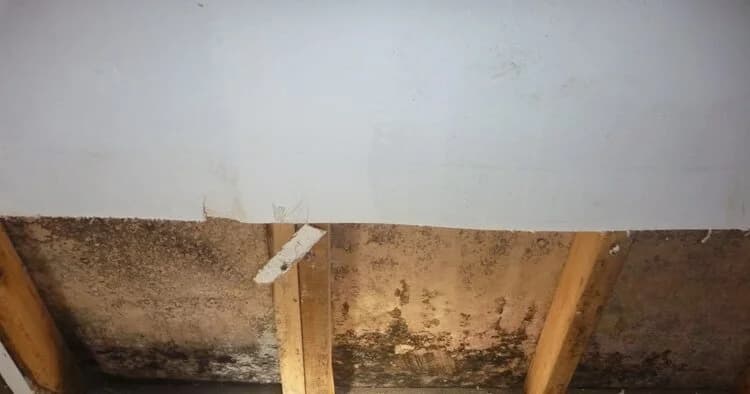
A lot of our weather simply arrives after sundown. The marine layer thickens in the evening, and many of our winter storms move in overnight when the coast cools. Combine that with the condensation that forms inside a cool attic as the damp night air settles, and water has far more chances to gather and drip while you're asleep. Sometimes what feels like a sudden midnight leak is really the roof finally giving up moisture it quietly collected hours earlier, releasing it once everything cools and contracts.
Why You Notice It More After Dark
Part of it is simply that the house goes quiet at night. No TV, no traffic outside, no kids running through the hall, so a slow drip you'd never hear at noon becomes impossible to ignore at two in the morning. The same goes for that telltale ceiling stain: you're lying in bed staring at it instead of rushing past it on your way out the door. That doesn't mean the leak truly started at night; it often means you finally noticed it. Either way, the takeaway is the same, and it's that the roof needs attention soon.
What to Do When It Happens
When water shows up overnight, stay calm and limit the damage. Place a bucket under the drip, move anything valuable out of the splash zone, and if water is visibly bulging or pooling above the ceiling, a small pinhole to drain it can prevent a larger, messier collapse of the drywall. Then take a few photos and note exactly where it's dripping, since that detail helps us trace the path back to the source. The next morning, get the leak properly found and repaired before the next storm rolls in off the Pacific and tests the same weak spot again.
Schedule a leak inspection or give us a call and we'll track down where the water's really getting in so your next quiet night stays quiet.
Ready for a roof you can count on?
Call (619) 501-2138 or request your free, no-pressure consultation.