
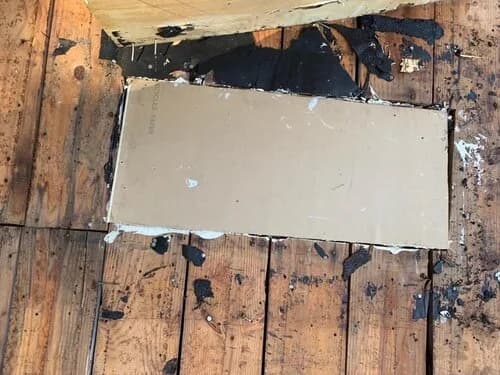
Your ceiling is one of the best early-warning systems your home has. Long before a roof leak turns into a dramatic drip during a storm, the trouble usually shows up overhead as a subtle stain, a soft patch, or a smell you can't quite place. Catching those signs early is the difference between a small repair and a major one. The trick is knowing what to look for and not talking yourself out of it.
The Stains That Mean Trouble
The classic warning sign is discoloration — a brown or yellowish ring on the ceiling, often with a darker edge where the water spread and dried. A fresh stain that's growing, or one that reappears or darkens after our infrequent but heavy rains, points to an active leak that needs attention. Even an old, stable stain is worth investigating, because it tells you water got in at least once and the path it followed may still be open, just waiting for the next big storm. Understanding what causes leaky ceilings and how to fix them helps you make sense of what a stain is really telling you. Learning to spot a roof leak before the rain finds it first buys you the time to fix it on your own terms. Don't let the fact that it's "been there for years" convince you it's harmless.
Texture and Paint Are Telling Too
Water changes how a ceiling looks and feels, not just its color. Watch for these:
- Paint that bubbles, blisters, or peels in a patch
- Sagging or a soft, spongy spot when gently pressed
- Cracks that appear or widen around a discolored area
- A faint musty or earthy smell signaling trapped moisture
Where the Leak Actually Is
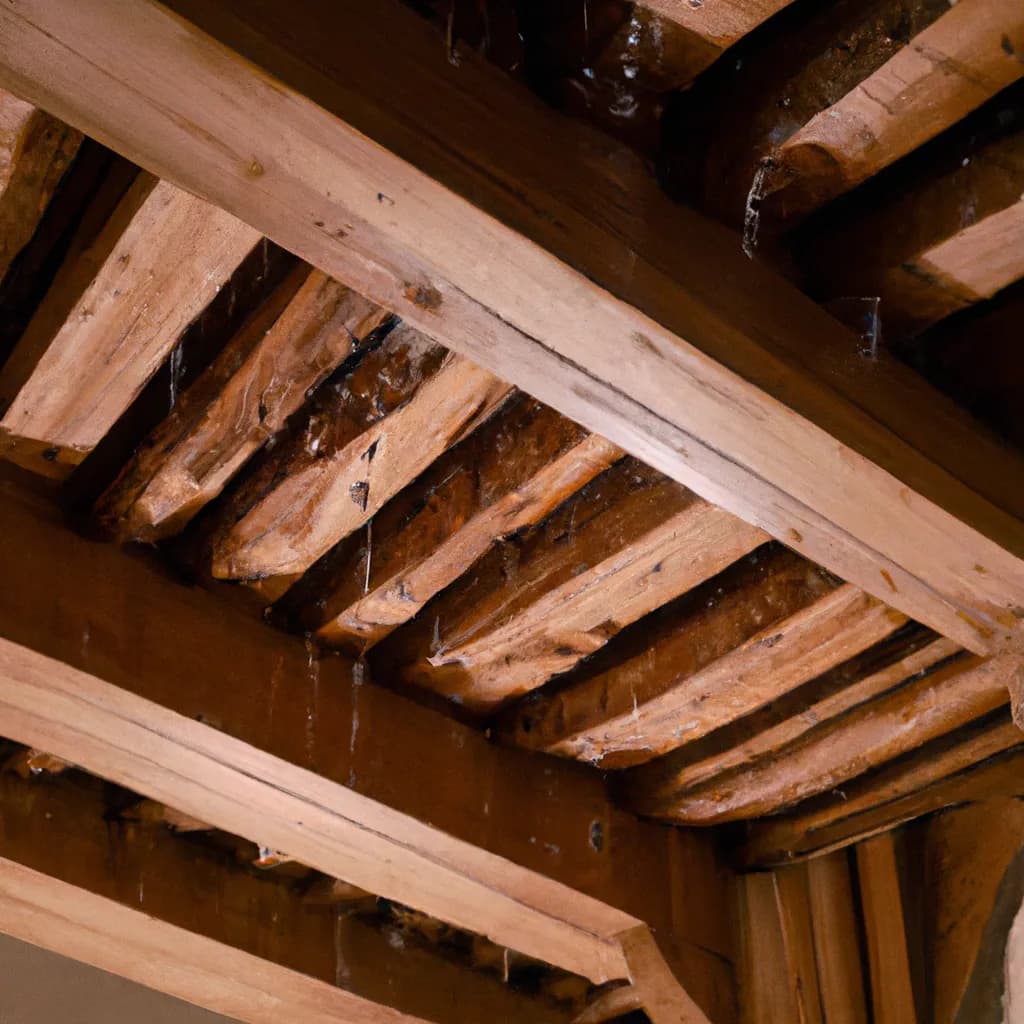
Here's the catch that fools a lot of homeowners: water rarely drips straight down from where it entered. It travels along rafters, runs across the top of the ceiling, and follows framing and pipes before it finally shows itself, so the stain on your ceiling can be several feet away from the actual breach in the roof. A leak near the chimney's flashing can surface above the hallway; one at a vent can show up over a bedroom, and a stain that appears around a fixture is worth taking seriously given the dangers of a ceiling leaking near light fixtures. That's why chasing a leak from inside is so tricky, and why a proper inspection works backward — following the water trail up into the attic and onto the roof to find the true source rather than just patching the spot where the stain appeared.
Don't Wait It Out
It's tempting to grab a stain-blocking primer, repaint over the spot, and hope it doesn't come back. Sometimes it doesn't show for months — and that's exactly the danger. Hidden moisture quietly rots framing, ruins insulation, and grows mold inside walls and ceilings, problems that grow more expensive and more involved the longer they sit unseen. Painting over the symptom does nothing about the leak feeding it, and a small drip can mean a big problem overhead. The moment your ceiling starts talking, it pays to listen and have someone find out why before a cosmetic blemish becomes a structural repair.
Noticing a stain or soft spot overhead? Schedule an inspection or give us a call — we'll trace it to the source and stop the damage before it spreads.
Ready for a roof you can count on?
Call (619) 501-2138 or request your free, no-pressure consultation.