

It is tempting to slide a bucket under a single drip, mop up the water, and tell yourself it is no big deal. After all, it is just a drop now and then. But a leak is the rare household problem where what you see almost never matches what is actually happening above you. By the time water makes it through your ceiling and lands in that bucket, it has usually traveled a long, hidden path, and that path is where the real trouble lives.
The Iceberg Effect
Water rarely drips straight down from the spot where it first entered the roof. It runs along rafters, soaks into the decking, and pools on top of the ceiling before finally finding the lowest point and dripping through into the room below.
That means the drip in your living room might be coming from damage several feet away, near a vent, a valley, or a flashing detail you would never connect to it. The visible drip is just the small, late-stage symptom of a problem that began somewhere else entirely, which is exactly why chasing a leak is best left to someone who knows where to look.
What's Happening Out of Sight
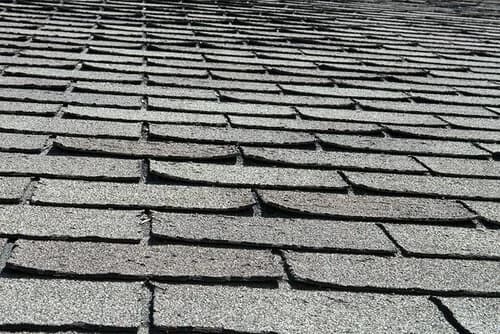
While that drip looks minor, the cavity above your ceiling may be doing the opposite of minor. Persistent moisture rots wood framing and decking, soaks insulation until it stops insulating, and creates the cool, dark dampness that mold needs to spread and settle in.
In San Diego we get our rain in concentrated bursts rather than steady drizzle, so a small leak can push a surprising amount of water into a wall or ceiling cavity over the course of a single storm. Each new storm that rolls through adds to the damage already done, and the gaps between rains are not giving anything a chance to truly dry out.
Why Waiting Costs More
The math on a leak almost always favors acting quickly. Catch it early and you are often looking at a targeted repair of the entry point plus some drying-out time. Wait, and the bill grows to include replacing rotted decking, soaked insulation, stained drywall, fresh paint, and remediation for any mold that has taken hold.
A drip that comes and goes with the weather is not quietly fixing itself between storms, and if you've ever noticed it worst after dark, there's a reason roof leaks always seem to start at night. It is simply waiting for the right conditions to return, and every wet stretch makes the eventual repair a little larger than it had to be.
There is a comfort cost as well as a financial one. A damp ceiling cavity can leave a faint musty smell, draw pests toward the moisture, and stain finishes you were proud of. Handling the leak early spares you all of that, not just the structural repair bill that grows in the background.
Don't Wait for the Next Drop
The good news is that most leaks, caught early, are far smaller jobs than homeowners fear. The cost and disruption climb only when a drip is left to work on the structure storm after storm, so the single most valuable thing you can do is simply not ignore it.
If you have seen even an occasional drip or a slowly spreading ceiling stain, it is worth finding the source now rather than later. Schedule a free inspection or give us a call and we will trace it back to where it really starts and stop the damage before it grows.
Ready for a roof you can count on?
Call (619) 501-2138 or request your free, no-pressure consultation.