

A loose shingle or a faint ceiling stain almost never feels urgent. The roof isn't leaking onto the dinner table, the house looks fine from the street, and the repair can wait until next month. The trouble is that roofs don't pause while you do. What starts as a fifteen-minute fix has a quiet way of turning into a project that costs many times more, and that math is worth understanding before you put it off again.
Small Problems Compound Fast
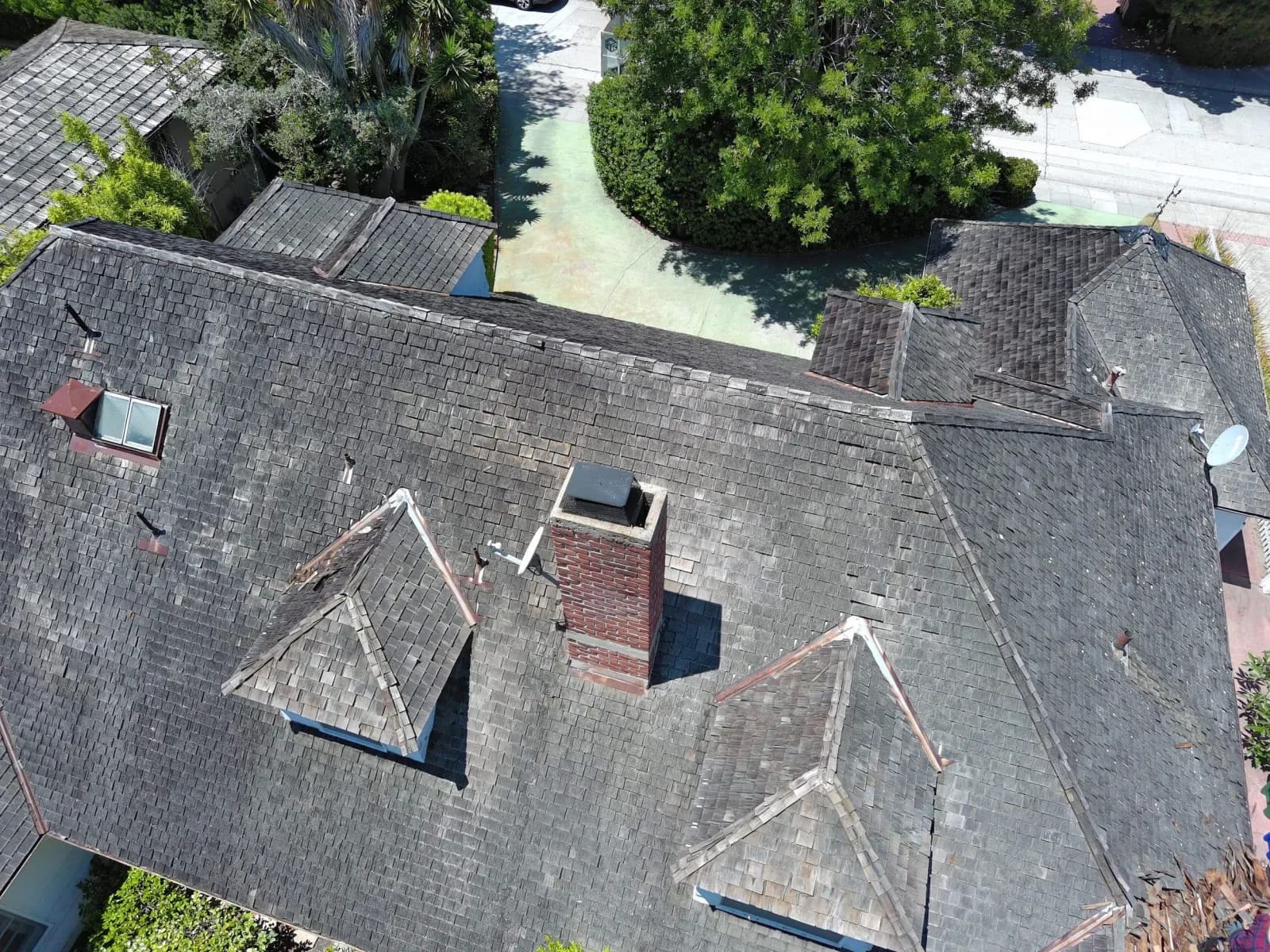
Water is patient and persistent. A single cracked shingle lets moisture reach the felt underlayment, then the wood decking beneath it. Over a season or two, that damp wood softens, swells, and begins to rot. Now the repair isn't one shingle; it's a section of sheathing, the insulation below it, and sometimes a rafter. The original problem was cheap. The consequences are not — and this is exactly how a few small leaks become the kind of roofing nightmares that are far easier to prevent than to undo.
The same chain plays out with flashing, valleys, and worn sealant around vents. Each is a minor item caught early and a major one caught late. A bead of fresh sealant costs almost nothing; the rotted decking and stained ceiling it could have prevented cost a great deal. The damage doesn't announce itself, which is exactly what makes the delay so expensive — by the time you can see the problem from inside, the water has usually been working on the structure for months.
The Costs You Don't See Coming
The roof itself is only part of the bill. A leak that reaches your living space can ruin drywall, stain ceilings, warp flooring, and feed mold inside wall cavities where you can't see it. Mold remediation alone can dwarf the price of the roof work that would have prevented it.
There's also the matter of insurance. Many policies expect homeowners to address known problems promptly, and a claim tied to long-neglected damage can be reduced or denied. Letting damage drag on is one of the most common and costly roofing mistakes homeowners make, and a repair you delayed to save money can quietly cost you coverage too.
And don't forget the disruption. A small scheduled repair is a quick, planned visit. A failure that finally lets go during a storm is an emergency — tarps, water in the house, furniture to move, and a crew working in bad weather. The longer a problem waits, the more likely it is to surface at the worst possible moment rather than on a calm, dry afternoon of your choosing.
Why San Diego Roofs Get Overlooked
Our long dry stretches make it easy to forget the roof entirely. Months pass without rain, a minor issue stays hidden, and then the first real storm of the season finds every weak spot at once. By then the damage from slow marine-layer moisture and UV-baked, brittle shingles has already set the stage. The dry climate doesn't prevent roof problems; it just postpones the day you notice them.
Catching It Early Is the Whole Game
The good news is that nearly every expensive roof failure began as something small and fixable. A routine inspection, especially before the rainy season, catches the loose flashing and the worn shingle while they're still cheap to address. At that point you can make a clear-eyed repair-or-replace decision instead of having one forced on you mid-storm, and spending a little on maintenance is almost always the better trade than spending a lot on repairs that spiraled.
Noticed a stain, a loose shingle, or just want peace of mind before the next storm? Schedule a free inspection or give us a call — we'll take a look and tell you honestly whether it needs attention now or can wait.
Ready for a roof you can count on?
Call (619) 501-2138 or request your free, no-pressure consultation.