

A roof leak almost never announces itself politely. By the time a brown ring shows up on your ceiling, water has often been sneaking in for weeks, traveling along rafters and soaking insulation before it finally reaches a spot you can see. In San Diego, where months can pass between real storms, those early-stage leaks have plenty of time to grow quietly. The trick is learning to spot them before the next rain puts them on full display.
Start Inside and Up High
Some of the best clues are indoors. Walk through your home and look up. Faint discoloration, a soft sag, or a ring on the ceiling all point to moisture that's gotten past the roof. Learning to read the warning signs of water damage in your ceiling helps you tell a fresh leak from an old one. Don't ignore the small stuff; a small stain today is often a bigger problem tomorrow.
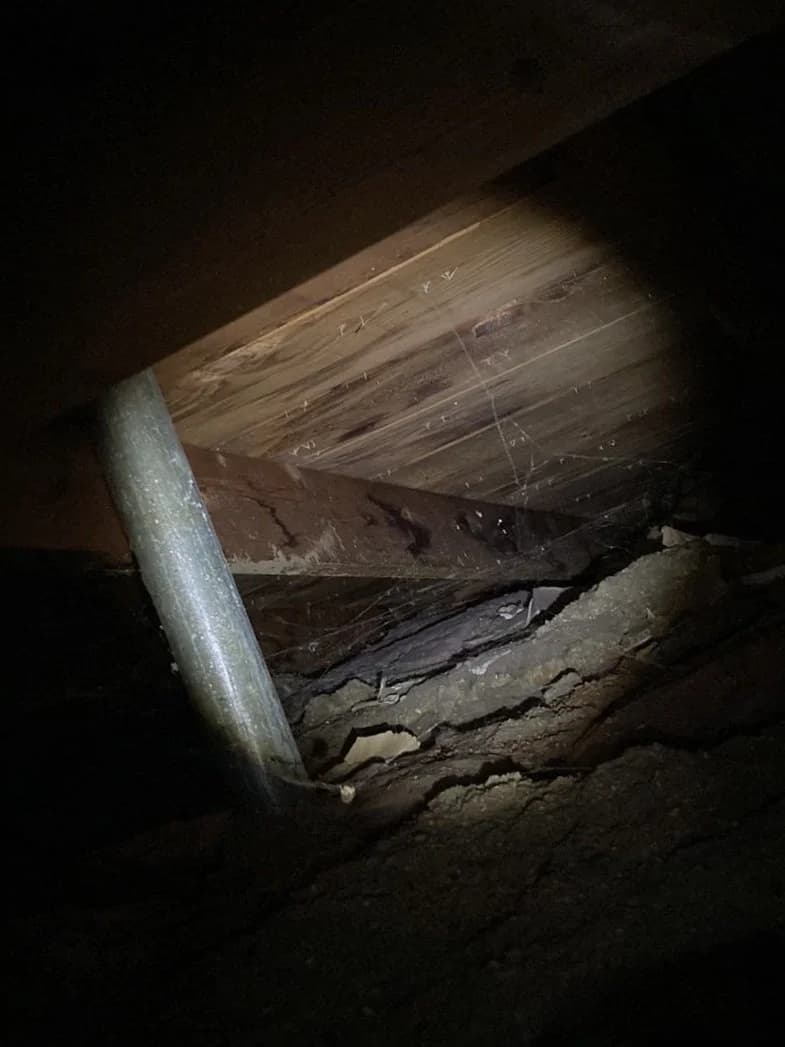
Then head to the attic with a flashlight if you can do it safely. Damp wood, dark streaks on the sheathing, or a musty smell are telltale signs that water is finding its way in. Keep in mind that water travels, so the wet spot in your attic is often uphill from where it shows on the ceiling below. Following the trail back to its highest point is usually the key to finding the real entry.
Know Where Leaks Like to Hide
Most leaks don't start in the middle of an open slope. Once you know what's actually causing the roof to leak, the pattern becomes clear: they start at the seams and transitions, the spots where the roof meets something else:
- Around chimneys, vents, and pipes where flashing seals the gap
- In the valleys where two roof planes meet and channel water
- Along the edges and at skylights
- Wherever old sealant has cracked or pulled away
If you're checking your roof from a safe vantage point, give these areas extra attention. In our climate, a long dry summer bakes the sealant and flashing at these joints until it cracks, so they're often the first places to fail once the rain returns. In fact, failed flashing is the number one cause of rainy-season leaks. A leak rarely starts where the water lands; it starts where the roof's defenses have quietly worn thin.
Let the Weather Show You
After the season's first light rain, do a quick walkthrough while everything is still damp. Fresh moisture makes new stains and active drips much easier to find than they'll be once things dry out. Catching a leak during a gentle rain is a gift, because it lets you fix it before a heavier storm forces water through in volume. A flaw that produces a slow drip in a light shower can become a steady stream when an atmospheric river parks over the county for a day, so the early warning is worth acting on.
A garden hose can stand in for the weather if you're patient and careful. Running water over one section of the roof at a time, while someone watches inside, can help pinpoint exactly where the trouble starts, though this is a job best left to a pro who can do it safely from the roof.
Catch It Early, Pay Less Later
Small leaks are cheap and fast to repair. The same leak left alone can rot decking, ruin insulation, and feed mold, turning a simple fix into a major project — the hidden cost of putting off a roof repair adds up fast. Staying alert to the early signs is the most affordable roof maintenance there is.
Spotted something that doesn't look right up there? Request a free inspection or give us a call — we'll track down the source and stop it before the next storm finds it for you.
Ready for a roof you can count on?
Call (619) 501-2138 or request your free, no-pressure consultation.