
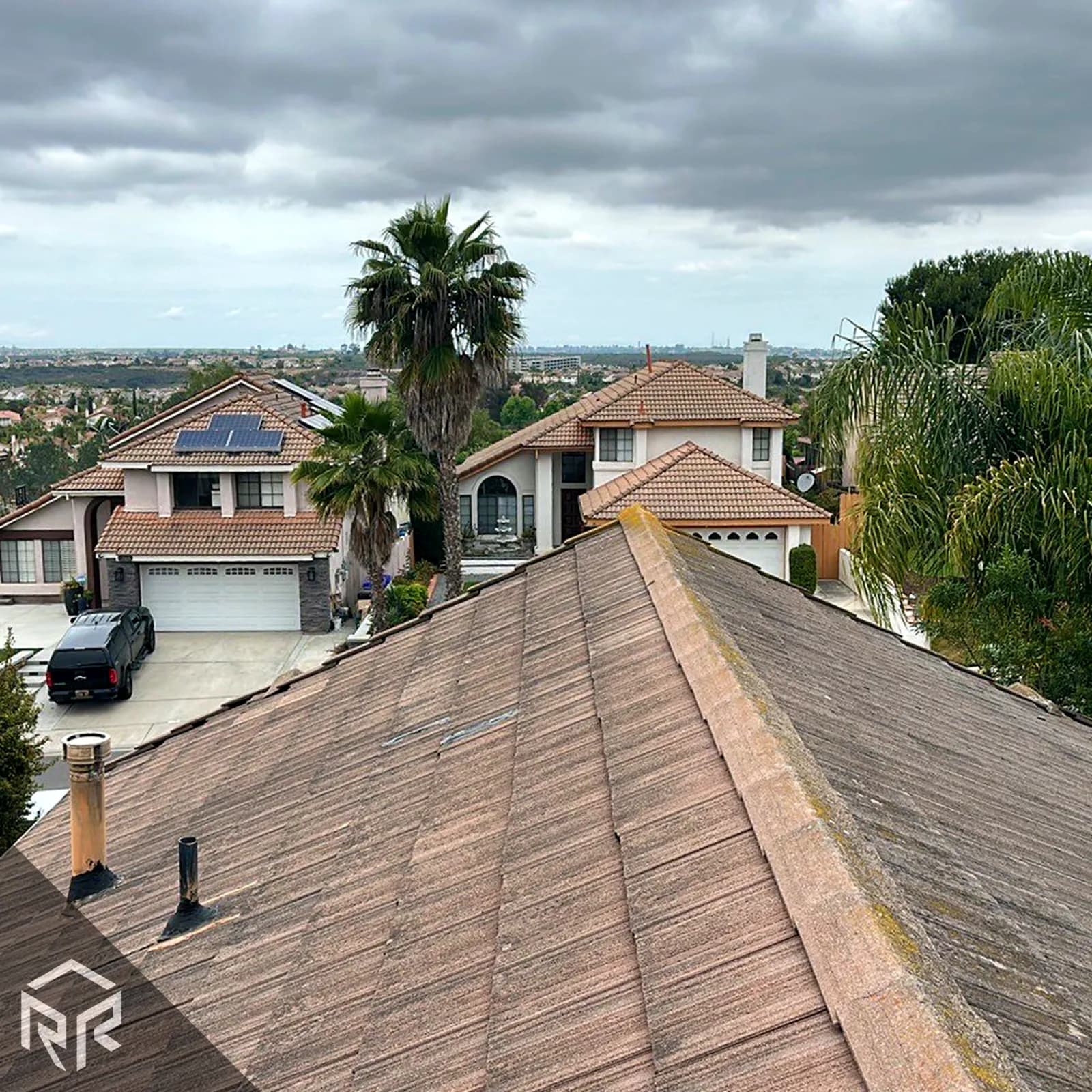
When a homeowner spots a leak during a San Diego rainstorm, the natural reaction is to blame the tiles or shingles overhead. But more often than not, the real culprit is something smaller and easier to overlook: the flashing. These thin metal pieces seal the roof's most vulnerable joints, and when they fail, water finds its way in no matter how good the rest of the roof looks.
What Flashing Actually Does
Flashing is the metal that bridges the gaps where your roof meets something else, a chimney, a vent pipe, a skylight, a wall, or the valley where two slopes come together. These transitions can't be covered by tiles or shingles alone, so flashing directs water away from the seams and back onto the roof surface where it can drain safely.
Because flashing guards the exact spots where water most wants to enter, it does some of the hardest work on the entire roof. When it's intact, you never think about it. When it fails, even a brief San Diego downpour can send water straight into your walls and ceilings.
Why It Fails in Our Climate
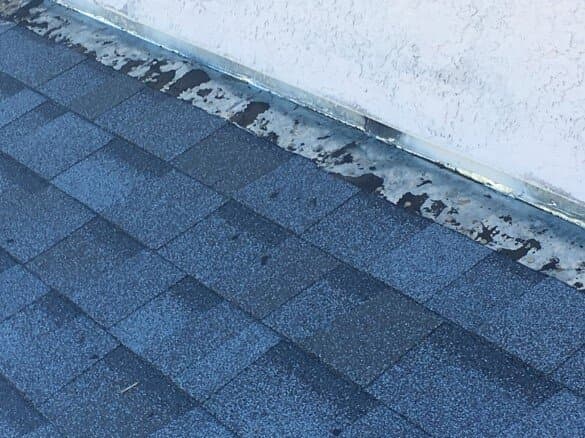
San Diego's weather is surprisingly hard on flashing, even though we don't see much rain. Our long, sunny summers bake the sealant and caulking that hold flashing tight, drying it out until it cracks and shrinks. Coastal salt air speeds up corrosion on the metal itself, and Santa Ana winds can lift or loosen edges that were never fastened to handle that kind of force.
Then there's age and installation. Flashing that was nailed poorly, sealed with the wrong product, or simply worn thin over decades is just waiting for a wet winter to expose it. By the time the rains arrive, the damage is already done, the storm just reveals it.
Signs Your Flashing May Be Going
You don't have to climb on the roof to catch warning signs. From the ground or an attic, watch for:
- Rust streaks, cracks, or lifted edges on visible metal flashing
- Dried, crumbling, or missing caulk around chimneys and vents
- Water stains on ceilings or walls near a chimney or skylight
- Damp insulation or daylight visible around roof penetrations in the attic
Any one of these is worth a closer look before the next storm, because flashing problems rarely fix themselves and tend to worsen with each rain.
It's worth remembering that the visible damage often appears far from where the water actually enters. Water can travel along a rafter or down a wall cavity before it shows up as a stain, so a ceiling spot in one room may trace back to flashing on the other side of the house. That's part of why these leaks are so easy to misdiagnose.
Staying Ahead of the Leak
The best defense against a flashing leak is catching it before the rainy season tests it. Resealing dried caulk, refastening lifted edges, or replacing corroded flashing is straightforward and far cheaper than repairing water-damaged drywall, insulation, and framing after the fact.
A professional inspection is the surest way to know where you stand. Flashing problems hide in details that are easy to miss from the ground, and an experienced eye can tell the difference between cosmetic wear and a genuine threat to your home's interior.
Worried your flashing might not survive the next rainy stretch? Reach out to our team or give us a call, and we'll inspect those critical seams before a small gap becomes a big leak.
Ready for a roof you can count on?
Call (619) 501-2138 or request your free, no-pressure consultation.