
Tile roofs have a reputation for lasting practically forever, and there's real truth to it. Clay and concrete tile can shrug off decades of San Diego sun while shingle roofs come and go around them. Weighing the pros and cons of tile roofing is worth doing before you buy, but longevity is squarely in the "pro" column. But the headline number hides an important detail. The tiles themselves are remarkably long-lived; the materials underneath them are not. Understanding that difference is the key to getting your full money's worth.
The Tiles vs. Everything Beneath Them
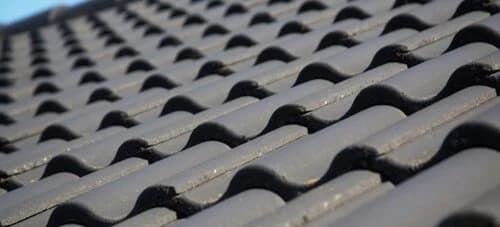
Clay and concrete tiles are extraordinarily durable. They resist UV, don't burn — a real fire-season advantage here — and hold their structure through years of intense sun. What wears out first is the underlayment the waterproof layer beneath the tile that actually keeps water out of your home. Under our heat, that underlayment ages steadily, and it typically has a shorter service life than the tiles resting on top of it.
This is why a tile roof can look perfect from the street while quietly developing a problem up top. The tiles are doing their job shedding most of the water and shielding the layers below from direct sun but they were never the waterproofing themselves. When the underlayment finally gives out, leaks appear even though not a single tile is broken.
What Shortens a Tile Roof's Life
A few factors determine whether your tile roof reaches its potential:
- Underlayment quality and how it was installed
- Attic ventilation, since trapped heat ages everything faster
- Cracked or slipped tiles that expose the layers beneath
- Debris buildup in valleys and around penetrations that traps moisture, especially when birds and pests nesting beneath the tiles drag in material
Individual tiles can crack from foot traffic, falling branches, or impact, and a few broken tiles can let water reach the underlayment long before the rest of the roof is due for attention. Coastal homes face an added factor: salt-laden air slowly corrodes the metal flashing and fasteners that tie a tile roof together, even while the tiles themselves stay pristine.
Why Maintenance Matters So Much Here
Because the tiles outlast the underlayment, a tile roof rewards upkeep more than almost any other type. Replacing cracked tiles promptly, keeping valleys and gutters clear, and ensuring good attic ventilation all help the hidden layers last. Periodic inspections catch slipped tiles and worn flashing before they turn into interior leaks.
Walking a tile roof is also a job for someone who knows how. Tiles crack underfoot when stepped on incorrectly, so a homeowner's well-meaning inspection can create the very damage they were trying to find. This is one roof type where leaving the climbing to a pro genuinely protects your investment.
Getting the Full Lifespan
The smartest approach is to treat a tile roof as a long-term system, not a one-and-done install. Many San Diego homes reach a point where the tiles are still in great shape but the underlayment needs renewal and in those cases, a roofer can often lift and reset the original tiles over fresh underlayment, giving you decades more life without buying all-new tile. It's a reminder that tile genuinely sits among the longest-lived roofing materials when the layers beneath it are kept up. It's one of the better values in roofing when the timing is right, and it keeps a heavy load of old tile out of the landfill in the bargain.
Wondering where your tile roof stands? Schedule a free inspection or give our team a call and we'll check beneath the tiles and help you get every year your roof has to give.
Ready for a roof you can count on?
Call (619) 501-2138 or request your free, no-pressure consultation.