
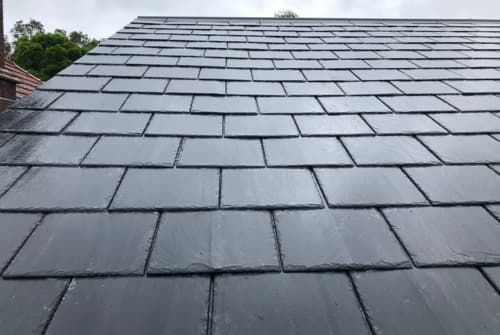
"How long will this roof last?" is one of the first questions homeowners ask, and the honest answer is: it depends. The material you choose sets the baseline, but the sun, the coastal salt air, your attic ventilation, and the quality of the installation all push that number up or down. Here's a realistic look at what each common roofing material delivers in a San Diego climate, and what tends to shorten the life of each.
Asphalt Shingles
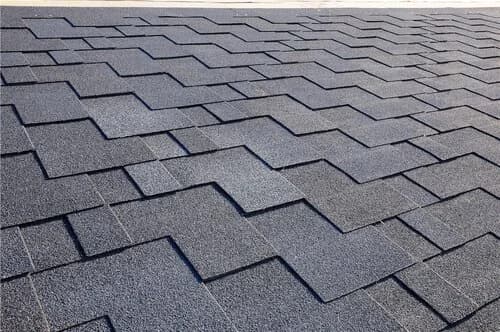
Asphalt shingles are the most popular roof in the country for good reason — they're affordable, versatile, and come in plenty of looks, one of many roofing materials worth considering for your home. Standard three-tab shingles tend to last around 15 to 20 years, while thicker architectural shingles often reach 25 to 30. Our intense UV exposure tends to land most local shingle roofs toward the shorter end of those ranges, so good attic ventilation and prompt repairs really do extend their life. Keeping the gutters flowing helps too, since standing water at the eaves accelerates wear. The trade-off for the lower upfront cost is that you'll likely replace a shingle roof at least once more in your lifetime than you would a tile or metal one.
Tile: Clay and Concrete
Tile is the long-distance runner of roofing. Clay and concrete tiles can last 50 years or more, and it's not unusual for the tiles themselves to outlive the underlayment beneath them. That's an important nuance: the surface may look great while the waterproof layer underneath has aged out and needs replacing. Tile's durability and fire resistance make it a natural fit for our Mediterranean-style homes and our fire-prone backcountry.
Metal Roofing
A quality metal roof — standing seam in particular — commonly lasts 40 to 70 years. Metal handles heat well, sheds water cleanly, and stands up to wind, which makes it a strong performer here, especially against Santa Ana gusts. The main thing to watch near the coast is hardware and fastener corrosion from salt air, so the right coatings and detailing matter. Done correctly, a metal roof is often the last one a home will ever need.
Flat and Low-Slope Roofs
Flat roofs are their own category. Single-ply membranes like TPO and PVC generally run 20 to 30 years, while older built-up and modified-bitumen systems vary more. The bigger factor with flat roofs is maintenance — keeping drains clear and the surface in good shape does more for their lifespan than almost anything else. Ponding water is the enemy, so good drainage is worth getting right from the start. Reflective coatings can also be renewed periodically, which extends the surface and helps it shrug off our strong sun.
What Really Decides the Number
Across every material, the same factors stretch or shorten the life: ventilation that keeps the attic from baking the roof, drainage that gets water off quickly, and an installation done carefully the first time. A premium material installed poorly will disappoint, and a modest material installed well can outperform its rating, which is worth keeping in mind when comparing roofing materials for longevity. That's why who installs the roof matters as much as what goes on it. Regular upkeep counts too — clearing debris, keeping gutters flowing, and fixing small problems early can add years to any of these materials, while neglect can cut a roof's life short well before its expected end.
Wondering how much life your current roof has left, or planning your next one? Request an estimate or give us a call — we'll give you a straight read on your options and what to expect from each.
Ready for a roof you can count on?
Call (619) 501-2138 or request your free, no-pressure consultation.