
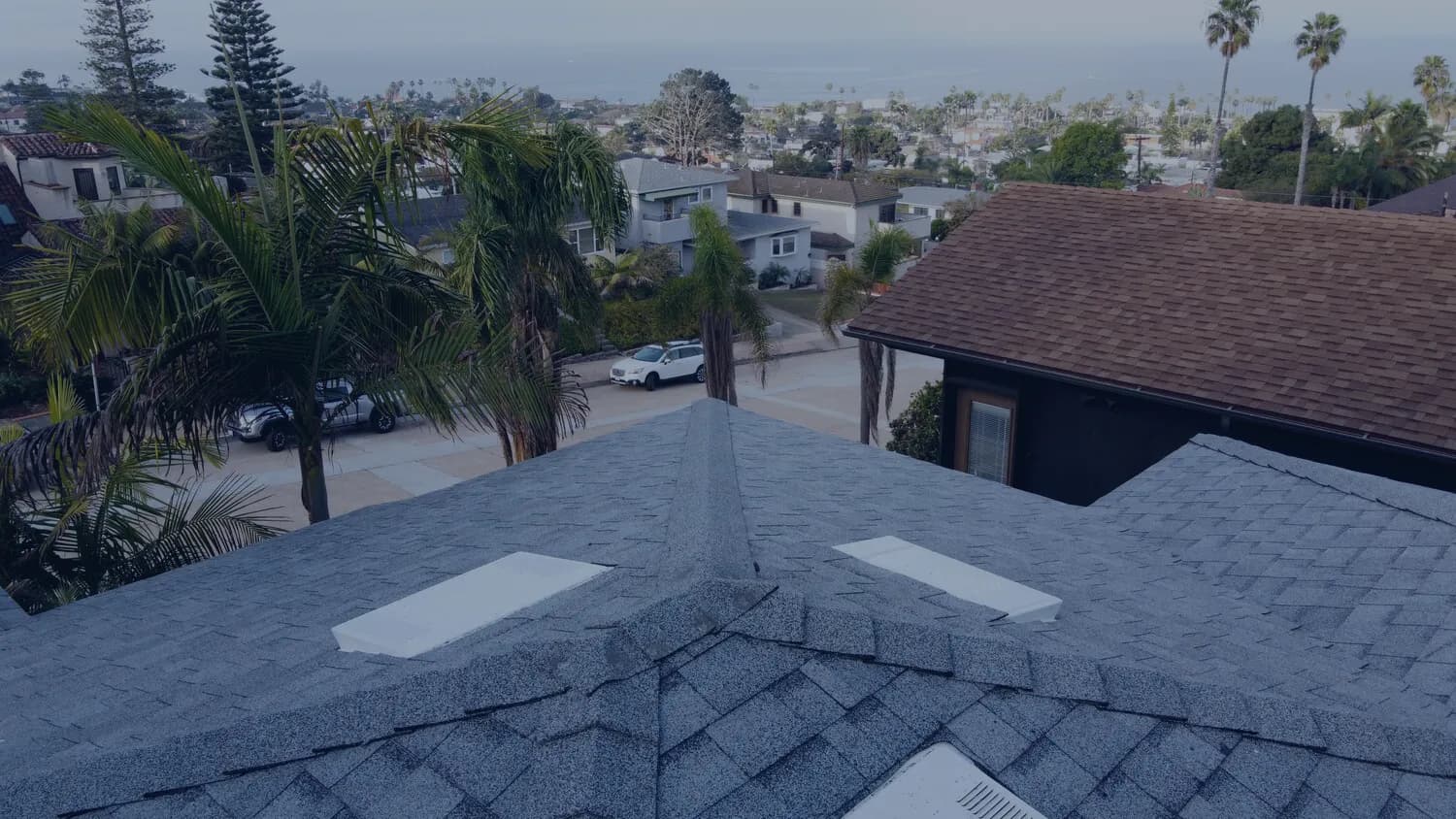
Living near the water comes with a long list of perks and one quiet drawback most people never think about until it bites them: salt. The same ocean breeze that makes a summer evening perfect carries fine salt particles inland, and they settle on everything — including your roof. Living by the sea affects your roof in ways that stay invisible for years. While the shingles or tile may look fine for years, the metal holding them in place can be slowly corroding the whole time.
The Hardware Does the Hidden Work
A roof is more than its surface. Underneath and around the visible material sits a network of metal: roofing nails, flashing at chimneys and walls, valley metal, drip edge, vent collars, and the fasteners that anchor everything down. These parts take the load. When salt-laden moisture sits on them day after day, it accelerates rust far faster than it would inland.
The failure is sneaky because it happens out of sight. A nail head rusts and loses its grip, a shingle starts to lift, and the first sign you get is water where it shouldn't be. Flashing is especially worth watching, since it's the metal that seals the joints around chimneys, skylights, and walls — the exact places water already wants to get in. When salt corrosion thins or perforates that flashing, those joints become the roof's weakest links.

Why Coastal Air Is So Aggressive
Salt is hygroscopic, meaning it pulls moisture out of the air. So even on a dry day, salt deposits on metal keep a thin film of dampness against the surface — the perfect setup for corrosion. Add San Diego's morning marine layer, which blankets coastal neighborhoods in humidity for hours, and metal hardware near the water gets far more wet-time than the sunny afternoons suggest.
The closer you are to the beach, the stronger the effect. Homes in neighborhoods like La Jolla, Ocean Beach, and Pacific Beach sit in the thick of it, where the combination of sun and salt works on the whole roof at once, and even a few miles inland the salt influence lingers, just at a gentler pace. Wind direction matters too; an onshore breeze carries salt spray farther than you'd expect on a breezy afternoon.
Choosing Materials That Fight Back
The fix isn't to move inland; it's to spec the right metals. Galvanized fasteners, stainless steel, and properly coated flashing stand up to salt far better than bargain hardware. For coastal homes, this isn't an upgrade — it's the baseline. A reputable installer near the coast should be reaching for corrosion-resistant materials by default.
Keep an Eye Out
Between inspections, watch for rust streaks running down from nail heads or flashing, lifting shingles near the eaves, and any orange staining on light-colored surfaces. Those are early hints that the hardware is tiring. Catching it before a fastener lets go saves you the bigger repair down the line.
Live near the coast and wondering how your roof's hardware is holding up? Schedule a free inspection or give us a call — we know exactly what salt air does to San Diego roofs and where to look first.
Ready for a roof you can count on?
Call (619) 501-2138 or request your free, no-pressure consultation.