
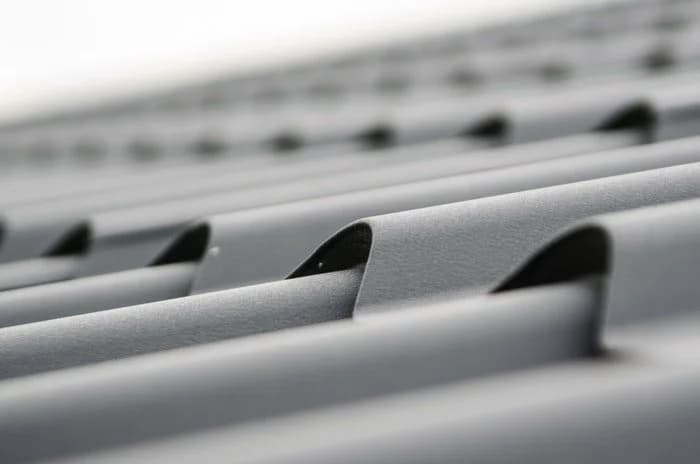
If you've lived through a San Diego fire season, you already know wind-driven embers can travel well ahead of a fire and land on rooftops blocks away. The roof is the largest surface your home presents to the sky, which makes it one of the most important defenses you have. This is where tile roofing quietly earns its reputation — it's one of the most fire-resistant choices a homeowner can make in our region, and it does it without sacrificing the look our neighborhoods are known for.
Why Tile Stands Up to Embers
Clay and concrete tiles are non-combustible. They're fired or cured at high temperatures, so a stray ember landing on them has nothing to ignite. That's a meaningful difference from materials that can catch and carry flame across a roof. Tile roofs generally carry a Class A fire rating, the highest classification, which is exactly what you want when embers are riding a Santa Ana wind down a canyon toward your street. If you're weighing materials, it's worth understanding why a Class A rating matters so much in San Diego.
This is a big reason tile has been a staple on Spanish, Mediterranean, and Craftsman homes across the county for generations. It suits our architectural look, it shrugs off our relentless sun, and it suits our fire risk. For homes near the backcountry, that combination is hard to argue with.
Fire Resistance Is a System, Not Just the Tile
Here's the part homeowners often miss: the tile itself is only part of the story. Embers don't just land on the surface — they can blow into gaps at the eaves, under the tiles, and into roof vents. A truly fire-ready roof pairs non-combustible tile with the right underlayment, properly closed-off eaves and ridges, and ember-resistant vent guards.
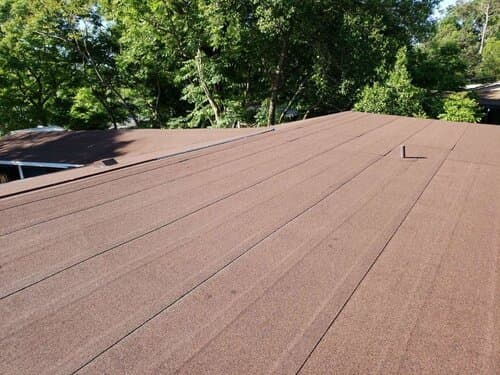
Bird stops and closures at the open ends of the tiles keep embers and debris from collecting in those hidden pockets. Without them, even a fire-rated tile roof can have weak points where wind-driven embers slip beneath the surface and reach materials that aren't as protected.
Keeping a Tile Roof Fire-Ready
Maintenance matters as much as the materials. Pine needles, dry leaves, and debris that pile up in roof valleys or behind tiles become fuel sitting right on top of your house. Clearing roof and gutter debris before fire season peaks — along with keeping gutters clean — removes the kindling that embers look for.
It's also worth confirming that cracked or slipped tiles are replaced promptly. A gap exposes the underlayment and decking beneath, which aren't as fire-resistant as the tile itself. A quick inspection each year keeps the whole assembly doing its job. The same trip up the ladder is a good time to clear out the roof valleys and check that vent screens are intact, since those are the spots where embers most often find a foothold.
Worth Considering for Your Next Roof
If you're weighing roofing materials and you live anywhere near our backcountry or canyon edges, tile's fire performance belongs near the top of your list alongside its long lifespan and classic look. It's an investment that pays back in both durability and peace of mind when the hot, dry winds arrive. Tile also handles our intense sun and occasional heavy rain without much complaint, so the same qualities that make it fire-smart tend to make it low-maintenance year-round.
Thinking about tile or want to make sure your current roof is ready for fire season? Request an estimate or give us a call — we'll look at the whole system and help you shore up the weak spots.
Ready for a roof you can count on?
Call (619) 501-2138 or request your free, no-pressure consultation.