
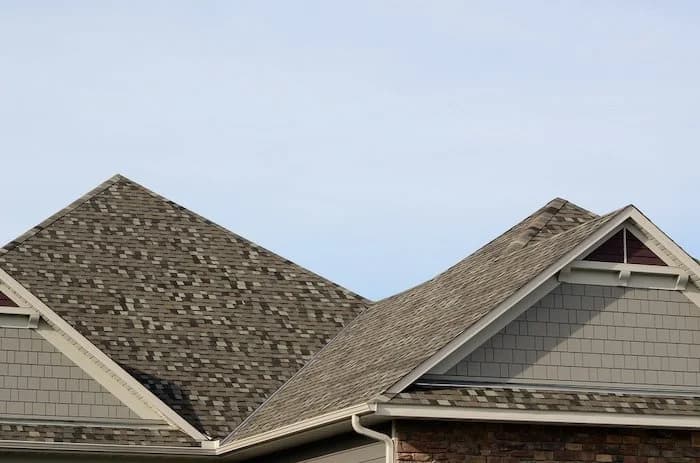
A roof replacement is one of those expenses that rarely arrives at a convenient moment. It's a significant investment, and for many homeowners the question isn't whether the roof needs doing — it's how to pay for it without draining savings or putting it off until a leak forces the issue. The good news is there are several practical paths, each with its own trade-offs, and understanding them ahead of time takes a lot of stress out of the decision.
Paying Out of Pocket
If you have the savings, paying cash is the simplest route. There's no interest, no application, and no monthly payment to track. The downside is obvious: it's a large sum to part with at once, and it can leave your emergency cushion thin. Many homeowners split the difference by covering part in cash and financing the rest, which keeps some reserve in place while reducing what they borrow. That balance is especially worth considering when you understand what really goes into the cost of a new roof and other big expenses, like a water heater or HVAC unit, might be on the horizon.
Home Equity Options
If you've built up equity in your home, a home equity loan or a home equity line of credit (HELOC) is a common way to fund a roof. These typically offer lower interest rates than unsecured options because the loan is backed by your house. A lump-sum equity loan gives you a fixed payment, while a HELOC works more like a credit line you draw from as needed.
The trade-off is that your home is the collateral, and these involve an application and approval process, so they take longer to arrange than other options. For a planned replacement rather than an emergency, that lead time is usually manageable.
Contractor and Personal Financing
Many roofing companies offer financing through lending partners, which can be a convenient way to spread the cost into monthly payments. Terms vary widely, so it's worth reading the fine print on the interest rate and length before signing, and asking whether there's any penalty for paying the balance off early. A personal loan from your own bank or credit union is another unsecured option that doesn't put your home on the line, usually at a higher rate than equity financing but with a faster turnaround and less paperwork.
When Insurance or Other Programs Apply
If your roof was damaged by a covered event like a storm, a portion of the replacement may fall under your homeowners insurance — worth checking before assuming you're paying the full amount yourself. California also periodically offers energy-efficiency incentives that can apply to certain cool-roof upgrades, which can soften the overall cost. It pays to ask whether the materials you're considering qualify for any current programs.
Choosing What Fits
The right option depends on your equity, your timeline, and how you'd rather manage the payments. A roof that's actively leaking calls for a faster solution; a planned replacement gives you room to compare rates and weigh the trade-offs. It also helps to think about how long you plan to stay in the home, since that can shape whether you lean toward a lower monthly payment or paying the job off quickly. Either way, getting a clear, itemized estimate first makes it much easier to size up your financing and avoid surprises partway through the project.
Ready to talk through what a new roof would cost and how to pay for it? Request a free estimate or give us a call — we'll lay out the numbers clearly so you can choose the path that fits your budget.
Ready for a roof you can count on?
Call (619) 501-2138 or request your free, no-pressure consultation.