
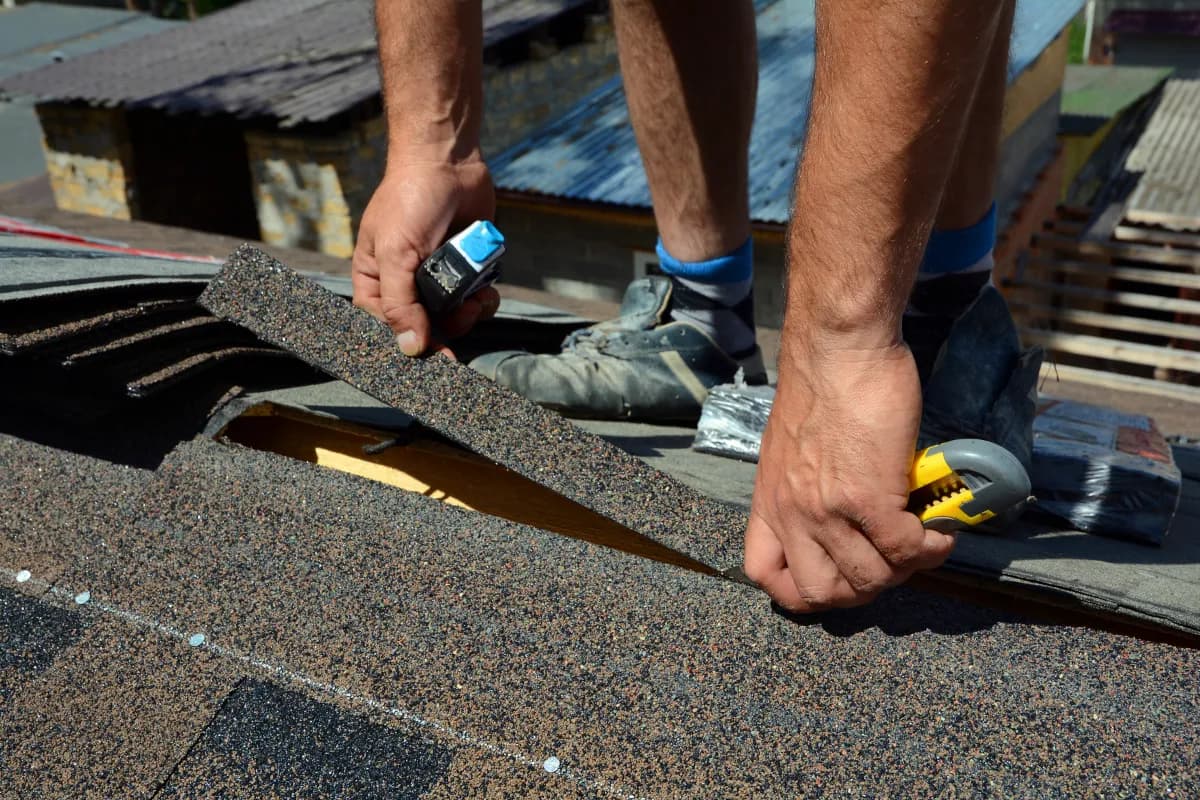
"How much does a new roof cost?" is the first question almost every homeowner asks — and the honest answer is that it depends. Two homes on the same street can get very different quotes for reasons that aren't obvious from the curb. Understanding what actually drives the price helps you compare bids fairly and recognize a quote that's too good to be true. Here's what you're really paying for.
The Material You Choose
This is the biggest single factor. Asphalt shingles sit at the affordable end, while concrete and clay tile, metal, and specialty materials cost more up front but often last far longer. The right choice isn't always the cheapest or the most expensive — it's the one that fits your home's style, our San Diego climate of relentless sun and occasional Santa Ana winds, and how long you plan to stay. A material that lasts twice as long can be the better value even at a higher sticker price.
The Size and Shape of Your Roof
Roofers price by the "square" (a 10-by-10-foot area), so a bigger roof naturally costs more. But shape matters just as much as size. A simple gable roof is quick to cover, while a roof with multiple slopes, valleys, dormers, skylights, and a steep pitch takes more labor, more material, and more careful detail work to seal properly. Complexity adds cost — but cutting corners on those tricky spots is exactly where future leaks come from.
Tear-Off and What's Underneath
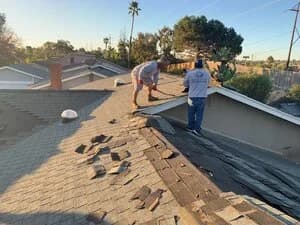
A quality job starts by removing the old roof down to the deck — not just laying new material over the old. Tear-off takes labor and disposal fees, but it's the only way to inspect the wood underneath. If that decking has water damage or rot, it has to be replaced, and that's often a cost that can't be known for certain until the old roof comes off. A trustworthy roofer will explain how they handle surprises like this before work begins.
The Parts You Don't See
A roof is a system, and a lot of the price goes toward components that never show: underlayment, ice-and-water shield in the valleys, drip edge, flashing around chimneys and vents, and proper ventilation. These are also the first places a cut-rate roof fails. When one bid is dramatically lower than the others, it's usually because someone is skimping here. On the other hand, some line items are genuine extras, so it's worth knowing which roofing add-ons you might not actually need before you pay for them.
Labor, Warranty, and Peace of Mind
Finally, you're paying for the crew's skill and the company standing behind the work. A licensed, insured contractor with a solid workmanship warranty costs more than an unlicensed crew working out of a truck — and for good reason. The roof is the one part of your home that protects everything else, and a proper installation is what makes the warranty worth anything.
A new roof is a significant investment, but a clear quote shouldn't feel like a mystery. When you understand the pieces, you can compare bids with confidence and choose based on value, not just price.
Thinking about a new roof? Request a free estimate or give us a call — we'll walk you through every line so you know exactly what you're paying for.
Ready for a roof you can count on?
Call (619) 501-2138 or request your free, no-pressure consultation.