
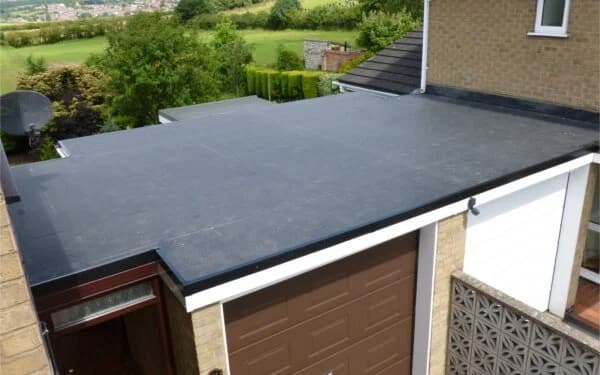
If you have a flat or low-slope roof, you've probably noticed how much heat it can hold. Dark membranes sit fully exposed to the sun all day, with no slope to shed it, and by afternoon the surface is scorching. In San Diego's long, sunny summers, that heat drives up your cooling costs and slowly cooks the roofing material. A reflective coating is one of the simplest, most cost-effective ways to turn that around.
What a Reflective Coating Does
A reflective roof coating is a liquid-applied layer — usually bright white — that's rolled or sprayed over an existing flat roof. It's the flat-roof cousin of a cool roof that lowers your summer bills by reflecting sunlight instead of soaking it up. Once cured, it forms a seamless, reflective surface that bounces a large share of the sun's energy away instead of letting it soak in. The result is a roof that runs dramatically cooler on a hot day, which in turn means a cooler attic and interior below.
Why It Pays Off in Our Climate
The benefits stack up quickly under San Diego sun:
- Lower attic and interior temperatures, easing the load on your AC
- Reduced summer cooling costs as the roof stops absorbing heat
- Less thermal stress on the membrane, which can extend its life
- An added waterproof layer that helps seal minor cracks and seams
For homeowners and small commercial property owners alike, a coating often delivers a strong return for a fraction of the cost of replacing the roof.
It Also Buys Your Roof Time
Beyond comfort and savings, a coating protects the investment you already made. Flat membranes age faster when they bake in the sun, so reflecting that heat slows the deterioration. A silicone coating can extend the life of an aging flat roof in much the same way, adding a fresh, monolithic surface that can seal up small surface flaws and help a still-serviceable roof keep doing its job for longer before replacement is on the table.
Much of that damage comes down to movement. As a dark roof heats and cools through the day, the membrane expands and contracts, and that constant flexing is what eventually opens up cracks and pulls seams apart. By keeping the surface far cooler, a reflective coating reduces those daily swings, so the material isn't working itself loose season after season. Less thermal stress simply means a roof that holds together longer, which is a meaningful return for a modest investment.
When a Coating Makes Sense
A reflective coating works best on a flat roof that's fundamentally sound — no widespread leaks, rot, or failing seams. If the underlying membrane is showing signs it's nearing the end of its life, a coating only delays the inevitable. The right first step is an honest look at the roof's condition to confirm a coating is genuinely the smart move.
Preparation is just as important as the coating itself. The surface has to be cleaned thoroughly and any damaged spots repaired first, because a coating bonds to what's beneath it. Skip that groundwork and even a quality product won't perform or last the way it should. The type of membrane you have also guides which coating is appropriate, since the right chemistry for one surface isn't the right fit for another. A professional evaluation sorts all of that out, so the coating goes on a clean, sound roof and delivers the cooler summers and longer life you're paying for.
Tired of a flat roof that bakes all summer? Request a free estimate or give us a call — we'll assess your roof and let you know whether a reflective coating is the right fit.
Ready for a roof you can count on?
Call (619) 501-2138 or request your free, no-pressure consultation.