
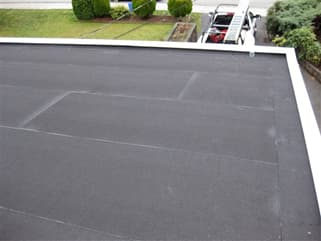
You ask three roofers for a quote and get back three documents that look nothing alike. One is a single number scribbled on a half-sheet, another runs two pages of line items, and the third lands somewhere in between. Comparing them feels impossible. The truth is that a good estimate isn't meant to be confusing — once you know what each section is telling you, it becomes a clear picture of the work, and a way to spot which bid you can actually trust.
Start With Scope, Not Price
Before you look at the bottom line, find the scope of work. Does the estimate include a full tear-off of the old roofing, or just an overlay? How many layers are coming off? Is the crew replacing damaged decking, and at what rate per sheet if they find rot? A low total often just means a smaller scope, not a better deal, and it helps to know roughly what a new roof should cost before you judge any single number. Match the work before you compare the money.
Materials Should Be Spelled Out
A trustworthy estimate names the materials: the shingle or tile line, the underlayment type, the flashing, the drip edge, the ventilation components. Vague language like "quality materials" tells you nothing. Specifics let you compare apples to apples and confirm you're getting the underlayment and flashing that actually protect the roof. Pay attention to whether new flashing is included or the old flashing is being reused — reusing tired flashing is a common way a bid comes in lower while leaving a known weak point in place.
Labor, Permits, and Cleanup
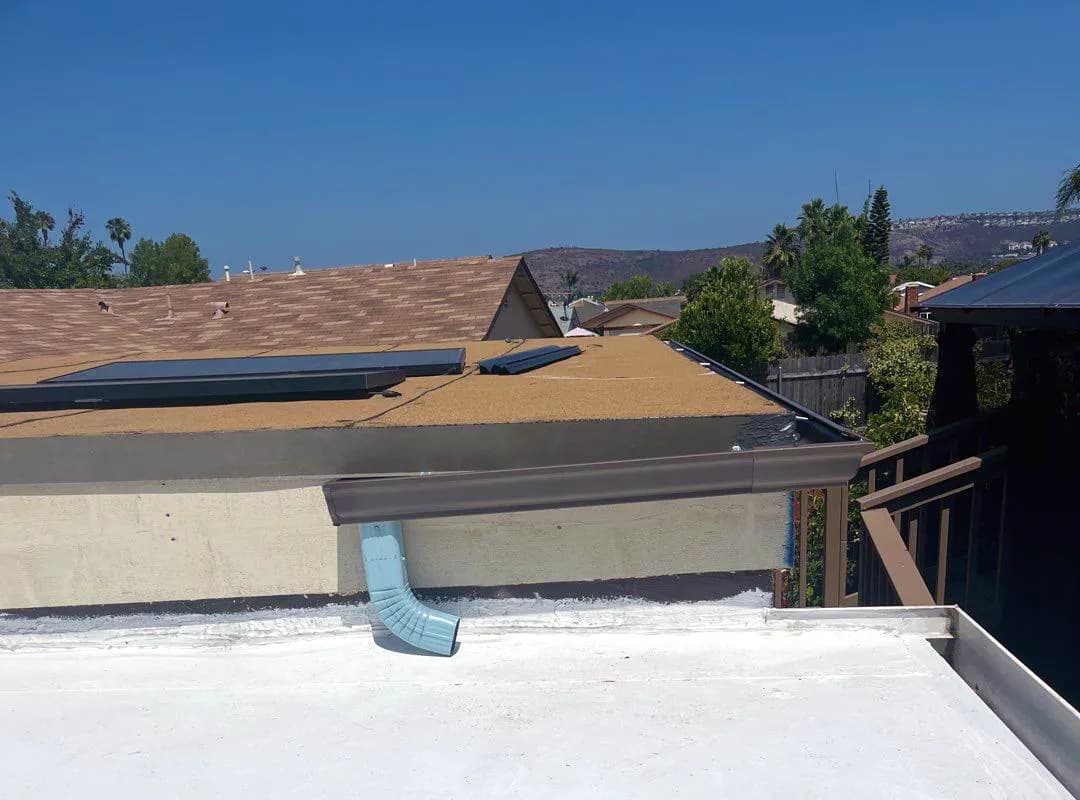
Look for line items covering labor, permit fees, dumpster and debris haul-off, and final cleanup. In San Diego County a reroof typically requires a permit, so an estimate that ignores it may be leaving out a real cost — or skipping the permit altogether, which you don't want. Cleanup and magnetic nail sweeps of the yard should be part of the deal, not a surprise. Scan the rest of the line items, too, for upsells — there are a few roofing add-ons you might not actually need padding a bid.
Warranties and the Fine Print
Two warranties matter: the manufacturer's coverage on the materials and the contractor's workmanship warranty on the installation. Both should appear in writing, and they cover different things — a great product installed poorly still leaks, so you want both. Also check the payment schedule — a reasonable deposit with the balance tied to completion is normal; a demand for most of the money up front is a red flag. While you're at it, confirm the estimate lists the contractor's license number, which you can verify, and proof of insurance.
When every line is clear and two estimates still differ, the difference usually lives in scope, material grade, or warranty. Now you can see exactly where.
Have an estimate in hand and want a second opinion? Request a free estimate or give us a call — we'll lay out every line so you know precisely what you're paying for.
Ready for a roof you can count on?
Call (619) 501-2138 or request your free, no-pressure consultation.