
Our Roof Installation Process in San Diego
A roof replacement with Resilient follows a clear, predictable path: a free in-home consultation and itemized estimate, then scheduling and permits, then install day (tear-off, a decking inspection, new underlayment, and your new roof), then cleanup and the final city inspection — wrapped up with your warranty. Most residential roofs in San Diego are done in a few days; larger or more complex homes can take up to about two weeks. There are no surprises on price after the estimate, and we walk you through each stage before it happens.
For most homeowners a new roof isn't a vanity project — it's something you do because of a leak, an inspector's note, or a home you just bought. That can feel stressful, so the most useful thing we can do is tell you exactly what's going to happen. Here's the whole process, step by step, the way we've run it across San Diego since 1967.
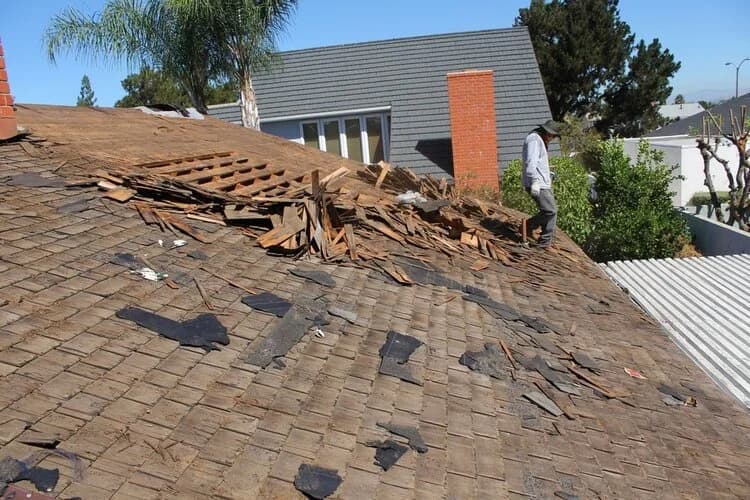
Step by step: what a roof replacement looks like
1. Free in-home consultation and itemized estimate
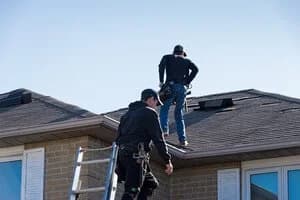
Everything starts with a real look at your actual roof — not a drive-by guess or a number over the phone. A licensed expert comes to your home, gets on the roof, and inspects the covering, the flashings, the penetrations, and as much of the structure as is visible. We talk through what your roof actually needs, your material options, and your goals — budget, longevity, energy efficiency, curb appeal.
Then you get a written, itemized estimate: what we'll remove, what we'll install, the underlayment and materials, permits, and cleanup, all spelled out. It's free, there's no obligation, and there's no pressure. If a repair will solve your problem, we'll tell you that instead of selling you a full replacement. For how San Diego pricing actually works, our roofing cost guide lays out the real ranges.
2. Scheduling, permits, and HOA coordination
Once you approve the scope, we schedule the work and handle the paperwork. Roof replacements in our area require a permit from the City or County of San Diego, with inspections along the way. We pull those permits for you — it's built into the estimate, not an extra you have to chase down. Skipping permits is one of the corners cheap bids cut, and it tends to surface later when you sell.
Many San Diego communities also require HOA sign-off on roofing material and color. We're used to coordinating with boards and property managers, and we'll help line up that approval before install day so nothing stalls midway.
One advantage of roofing here: the weather rarely fights us. San Diego's mild, dry climate means we have far more workable days than crews in most of the country, so scheduling around storms is much less of a worry. We still confirm conditions look clear before we open up your roof.
3. Install day — tear-off, inspection, underlayment, and the new roof
This is the part homeowners ask about most, because it can look dramatic. Our crew arrives, protects your landscaping and the areas around the house, and begins the tear-off — removing the old roofing down to the deck.
We always tear off completely. California code allows up to two roofing layers, but we don't do "layovers" — and the reason is the next step. With the old roof gone, we inspect the decking and structure. Leaks can do quiet damage for years; with everything exposed, we can see rotted, cracked, or soft plywood and skip sheeting. If we find damage, we show you, explain your options, and repair or replace the affected wood before anything new goes down. You shouldn't pay to put a fresh roof over rotten wood.
Your home is open to the elements during tear-off, which is exactly why we plan around clear weather and don't tear off more than we can dry-in. Once the deck checks out, we lay down new underlayment — the waterproofing layer that does the real work of keeping water out. The material depends on your roof: under asphalt shingles we use a synthetic underlayment; under tile we use asphalt-based 40-pound felt, because tile nails shift slightly over the years with wind and seismic movement and felt grabs and self-seals around them in a way synthetic can't. Our roof underlayments guide explains that choice in detail.
With the waterproofing in place, we install the new roof itself — shingle, tile, or your chosen system — along with new flashings and finishing details. There's noise and activity while the crew works, but this is the stage you've been waiting for: your new roof going on.
4. Cleanup and the final inspection
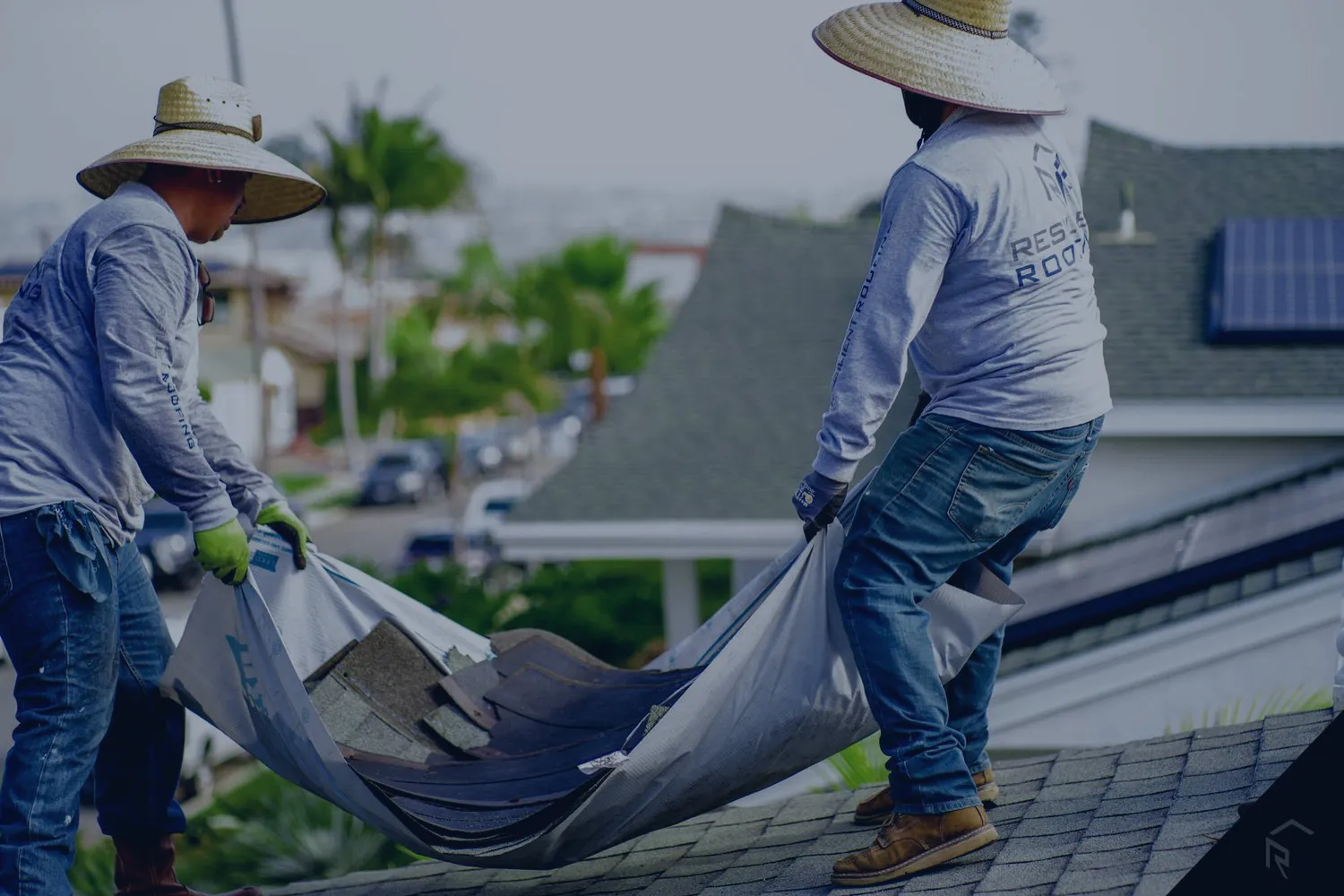
We treat your property like we'd want ours treated. When the roof is finished, we haul off all the debris and run a magnetic sweep of your yard, driveway, and walkways to pull up stray nails — a step that matters a lot for kids, pets, and tires. The goal is to leave the ground as clean as we found it.
Then comes the city or county final inspection. Because we permitted the job properly, the inspector signs off on the completed work, and you have documented, code-compliant proof the roof was done right — something that pays off when you refinance or sell.
5. After the job — warranty and follow-up
When the work passes inspection, we walk you through your warranty coverage and what it includes, and answer any remaining questions. A new roof is a long-term investment in your home, and we want you to know exactly what stands behind it. If anything comes up afterward, you call us — we're a family-owned local company, not a crew that disappears after the check clears.
How long does it take?
For a typical San Diego single-family home, a full replacement usually takes a few days. Larger homes, steep or complex roofs with lots of valleys and penetrations, tile work, or jobs that turn up significant decking repairs can run longer — up to roughly two weeks on the most involved projects. We give you a realistic timeline as part of the estimate, and if something we find during tear-off changes it, you'll hear from us right away rather than at the end.
Why our process protects you
A roof is only as good as what's underneath it and how carefully it's installed. The reason we insist on a full tear-off, a real decking inspection, the right underlayment for your roof type, permits, and a final inspection isn't extra fuss — it's what separates a roof that lasts decades from one that leaks in a few years. These are the same steps that make a new roof add real resale value, not just stop a leak.
We've been roofing San Diego since 1967, we're CSLB-licensed and insured, and we don't cut the corners that make a quote look cheaper than it should be. If you want to know what your roof actually needs, the first step is the same as it's always been: a free, no-pressure inspection. When you're ready, get in touch and we'll come take a look.
Frequently Asked Questions
How long does a roof replacement take in San Diego?
Most typical single-family homes are done in a few days. Larger homes, steep or complex roofs, tile work, or jobs that uncover significant decking repairs can run longer — up to roughly two weeks on the most involved projects. We give you a realistic timeline as part of your estimate, and if anything we find during tear-off changes it, you'll hear from us right away.
Do I need a permit to replace my roof, and who handles it?
Yes. Roof replacements in our area require a permit from the City or County of San Diego, with inspections along the way. We pull the permits for you — it's built into the estimate, not something you have to chase down. Proper permitting also gives you documented, code-compliant proof the work was done right, which matters when you refinance or sell.
Will you tear off my old roof or install over it?
We always tear off completely. California code allows up to two roofing layers, but we don't do layovers. The reason is the decking inspection: with the old roof removed, we can see rotted or damaged plywood and skip sheeting that leaks may have caused over the years, and repair it before the new roof goes on. You shouldn't pay to put a fresh roof over rotten wood.
What happens if you find damaged wood under my old roof?
Once the old roof is off, we inspect the decking and structure. If we find rotted, cracked, or soft wood, we show you, explain your options, and repair or replace the affected areas before installing the new underlayment and roof. We'd rather catch it now, with everything exposed, than have it cause problems later.
How do you keep my property clean during and after the job?
We protect your landscaping and the areas around the house before we start, and when the roof is finished we haul off all the debris and run a magnetic sweep of your yard, driveway, and walkways to pull up stray nails. That last step matters a lot for kids, pets, and tires — the goal is to leave the ground as clean as we found it.
What about my HOA's rules on roofing material and color?
Many San Diego communities require HOA sign-off on roofing material and color. We're used to coordinating with boards and property managers and will help line up that approval before install day so the project doesn't stall midway.
Ready for a roof you can count on?
Call (619) 501-2138 or request your free, no-pressure consultation.