
Roofing Overlay: Why We Don't Recommend It
A roofing overlay means laying a new layer of shingles directly over your old roof instead of tearing the old one off first. It's cheaper and faster — but it hides problems instead of fixing them, and on most San Diego homes it ends up costing more in the long run. That's why, after decades roofing San Diego, we don't do overlays as a matter of practice: we always tear off down to the decking, inspect what's underneath, and build back up from there.
We understand the appeal. An overlay skips the labor of removing the old roof and the cost of hauling it away, so the quote comes in lower and the job wraps up sooner. But a roof's job is to protect everything beneath it, and you can't protect what you can't see. Here's how overlays actually play out — and what we do instead.
What a roofing overlay is — and why it's tempting
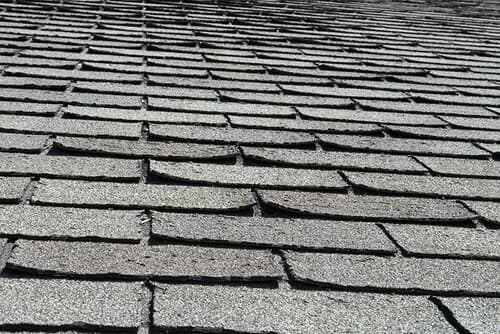
An overlay (sometimes called a "re-roof over" or a "second layer") is exactly what it sounds like: the new shingles go on top of the existing ones, with no tear-off. It's typically pitched when an old asphalt shingle roof is near the end of its life — losing granules, curling, maybe leaking in a spot or two — as a cheaper, quicker alternative to a full replacement.
The math looks good on paper. You're not paying a crew to strip the old roof, you're not paying disposal fees for the old material, and the project finishes in less time. For a homeowner staring at a roofing bill, "do half the work for less money" is an easy thing to say yes to.
The catch is that the savings are mostly an illusion. You're not getting a sound roof for less — you're deferring problems and paying for them later, usually with interest.
Why we tear off and inspect instead
The single biggest reason we tear off is that an overlay buries the part of your roof that matters most: the decking and the structure underneath it. Once a new layer goes down, whatever was wrong below is sealed in and out of sight.
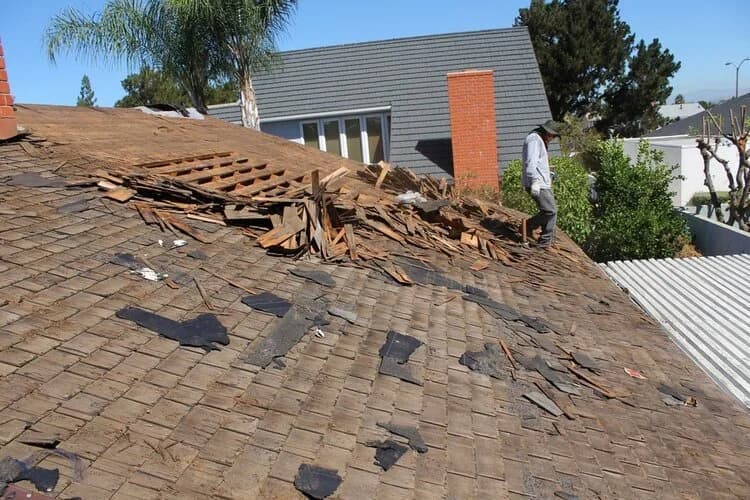
When we strip a roof to the deck, we get to see the wood that everything else is nailed to — skip sheeting on many older homes, or plywood on newer ones — and check its real condition:
- Is it solid, or has it softened?
- Is it rotted from years of slow moisture?
- Is it cracked, damaged, or full of old nail holes?
- Are there spots that need reinforcing or replacing before anything new goes on?
You simply cannot answer those questions through an existing roof. If the decking is failing and you overlay it, you've just nailed a brand-new roof onto rotten wood. We'd rather find that problem now, while it's a few sheets of plywood, than have you discover it later as a leak coming through your ceiling.
The second issue is weight. A second layer of shingles adds a meaningful load to a roof structure that was very likely engineered for one. Older San Diego homes in particular weren't designed with a future overlay in mind, and piling weight onto framing that's already carrying its design limit is the kind of shortcut that doesn't show up as a problem until it does.
California code allows at most two roofing layers on a structure. But "legal" and "good practice" aren't the same thing — code is a floor, not a goal. Even when a single overlay would technically be permitted, we tear off anyway, because inspecting the deck and starting from a clean, sound surface is the only way to stand behind the roof we build.
The real risks of overlaying
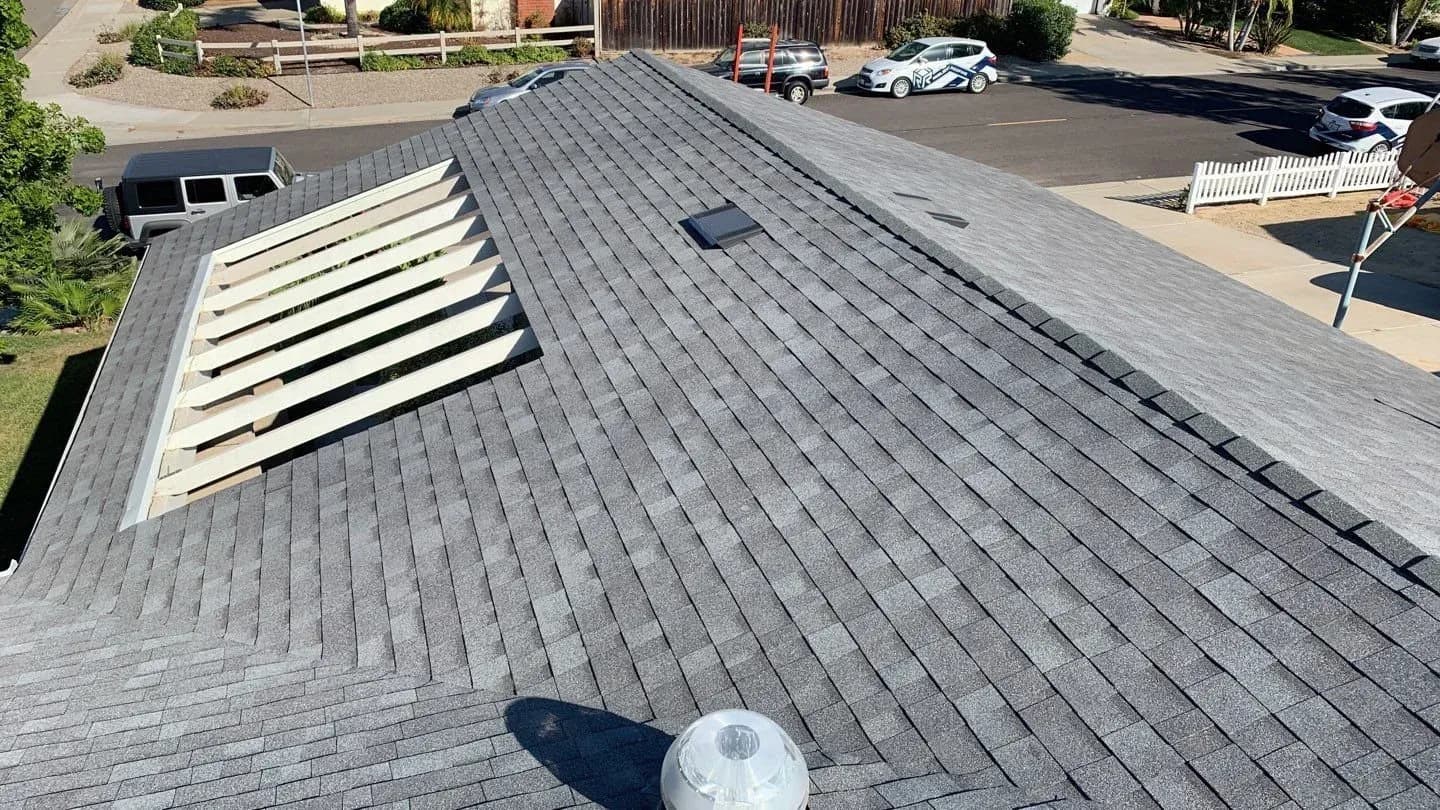
The problems with an overlay aren't theoretical. They follow a predictable pattern:
- Trapped problems. Any rot, soft spots, or hidden damage in the old roof are sealed in. The deterioration doesn't stop — it just continues where you can't see it, often until it reaches the inside of your home.
- A shorter-lived roof. New shingles laid over old don't lie as flat or shed water as cleanly as shingles on a fresh, smooth deck. The uneven surface telegraphs through, and the old layer holds heat against the new one, which can age it faster. You rarely get the full rated life out of an overlaid roof.
- A harder, more expensive next replacement. Eventually the roof needs to come off — and now there are two layers to strip and haul away instead of one. The tear-off you avoided didn't disappear; it got bigger and pricier, and it landed on the next bill.
- Warranty and resale headaches. Some manufacturers limit or void shingle warranties when product is installed over an existing roof. And when you sell, a multi-layer roof is a common red flag in inspection reports — buyers and their agents notice, and it can cost you in negotiations.
Put together, an overlay tends to be the more expensive option once you account for the full life of the roof. You pay a little less today and more later — and you carry the risk in between.
How this plays out on older San Diego homes
A lot of San Diego's housing stock dates to the 1960s through the 1980s, and those roofs are exactly where overlays cause the most trouble. Decades of intense UV, coastal salt air near the water, Santa Ana wind events, and the slow grind of an aging roof all take a toll on the decking below — and on older homes that decking is often skip sheeting rather than solid plywood, which gives you even less margin to gamble with.
These are also the homes most likely to have already been worked on once or twice. We regularly pull off a roof and find a layer somebody added years ago, hiding deck damage that's been quietly spreading the whole time. An overlay on top of that is how a manageable repair turns into a much larger structural job. The honest move on an older San Diego home is almost always to take the old roof off and look.
What we do instead
Our approach is straightforward, and it doesn't change with the season: we tear off the existing roof — every layer of it — and inspect the decking and structure before we build anything back. If the wood needs reinforcing or replacing, we handle it then, while it's accessible and affordable. Then we lay the proper waterproofing for your roof type (synthetic underlayment under asphalt shingles, asphalt-based 40-lb felt under tile, since synthetic won't seal around shifting tile nails — more on that in our guide to roof underlayments) and install the new roof on a sound, clean surface.
Tearing off also opens up your options. Once the old roof is gone, you're not locked into the same material — we can walk you through asphalt shingle, tile, or another system that fits your home and budget. You can read more about that process on our roof replacement page, and see honest San Diego price ranges in our roofing cost guide.
We've been roofing San Diego since 1967, we're CSLB-licensed, and we don't sell shortcuts. The bottom line is the same one we've held for generations: we don't believe in layering a new roof over an old one. We look for the long-term solution that's the most economical and safest for you and your family — and that starts with a free, no-pressure inspection of your actual roof. When you're ready, get in touch and we'll come take a look.
Frequently Asked Questions
What is a roofing overlay?
An overlay (sometimes called a re-roof over or a second layer) is when new shingles are installed directly on top of your existing roof instead of tearing the old one off first. It skips the labor of removal and the cost of hauling the old material away, so it's cheaper and faster upfront — but it leaves whatever is wrong underneath sealed in and out of sight.
Is a roof overlay cheaper than a full replacement?
It's cheaper on the day you pay for it, because you're not paying for tear-off or disposal and the job finishes sooner. But over the full life of the roof it usually costs more: it can shorten the new roof's lifespan, and when the roof eventually does come off there are now two layers to strip and haul away instead of one. The savings tend to be deferred costs, not real ones.
Why does Resilient Roofing always tear off instead of overlaying?
Because the most important part of your roof — the wood decking and the structure beneath it — is invisible under an existing roof. Tearing off lets us see whether the decking is solid, rotted, cracked, or damaged, and reinforce or replace it before the new roof goes on. It also avoids piling extra weight on framing that was likely designed for a single layer. We've done it this way for generations.
How many layers of roofing does California allow?
California code allows at most two roofing layers on a structure. But code is a minimum standard, not a goal — even when a single overlay would technically be permitted, we still tear off so we can inspect the deck and build on a clean, sound surface. Confirm the specifics for your home and jurisdiction with your roofer or local building department.
Can an overlay affect my shingle warranty or my home's resale value?
It can. Some shingle manufacturers limit or void their warranty when product is installed over an existing roof, so it's worth checking the warranty terms before you overlay. And a multi-layer roof is a common flag in home inspection reports — buyers and their agents tend to notice, which can come up during resale negotiations.
Why are overlays especially risky on older San Diego homes?
A lot of San Diego's housing dates to the 1960s through 1980s, and those roofs often have skip sheeting rather than solid plywood, leaving less margin for hidden damage. Decades of intense UV, coastal salt air, and Santa Ana winds wear on the decking below, and many of these homes have already been re-roofed once. Overlaying on top can turn a manageable repair into a much larger structural job, so the honest move is almost always to tear off and look.
Ready for a roof you can count on?
Call (619) 501-2138 or request your free, no-pressure consultation.