
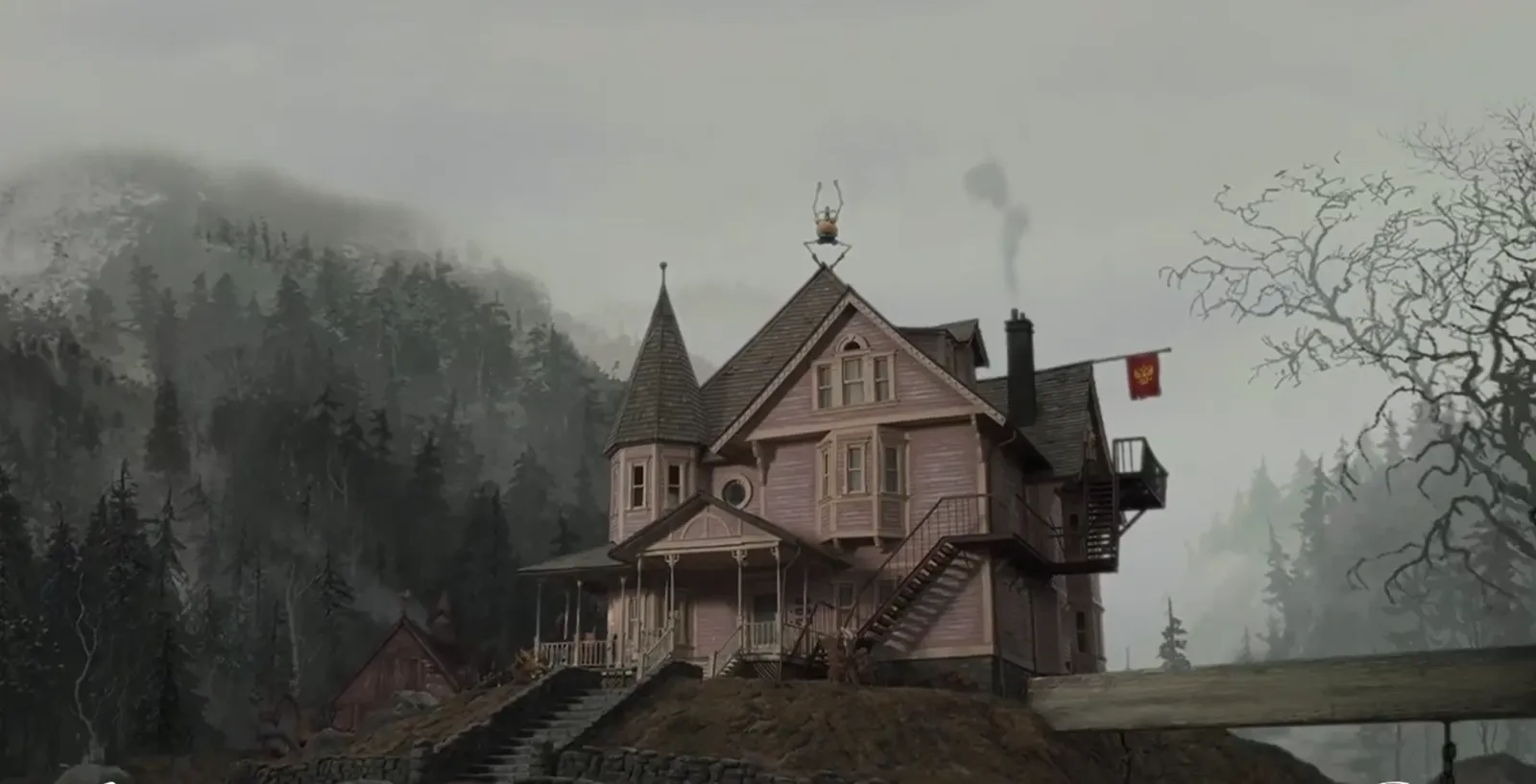
Two homes can sit side by side with roofs made of the very same material and behave completely differently in a storm. The reason often comes down to one number most homeowners never think about: pitch. The steepness of your roof quietly governs how it sheds water, which materials suit it, how long it lasts, and even what a new roof will cost. It's one of the most influential details on the whole house.
What "Pitch" Actually Means
Pitch is the slope of your roof, usually written as a ratio like 4:12 — meaning the roof rises four inches for every twelve inches it runs horizontally. A low number is a shallow, gentle slope; a high number is a steep, dramatic one. If the ratio itself is new to you, it's worth a quick refresher on what a pitched roof actually is before going further. Roofers sort roofs roughly into low-slope (nearly flat), conventional, and steep-slope categories, and that classification drives most of the decisions that follow.
Pitch and Water Are Best Friends
The steeper the roof, the faster water runs off it and the less time it has to find a way in. Steep roofs shed rain and debris almost effortlessly. Low-slope and flat roofs, by contrast, let water linger, which is why they need specialized membranes and careful drainage rather than ordinary shingles. This is also why ponding water is a flat-roof concern and almost never a steep-roof one — gravity does most of the work on a sharp slope, while a gentle one relies entirely on the roofing system and drains being installed just right.
Pitch Decides Your Material Options
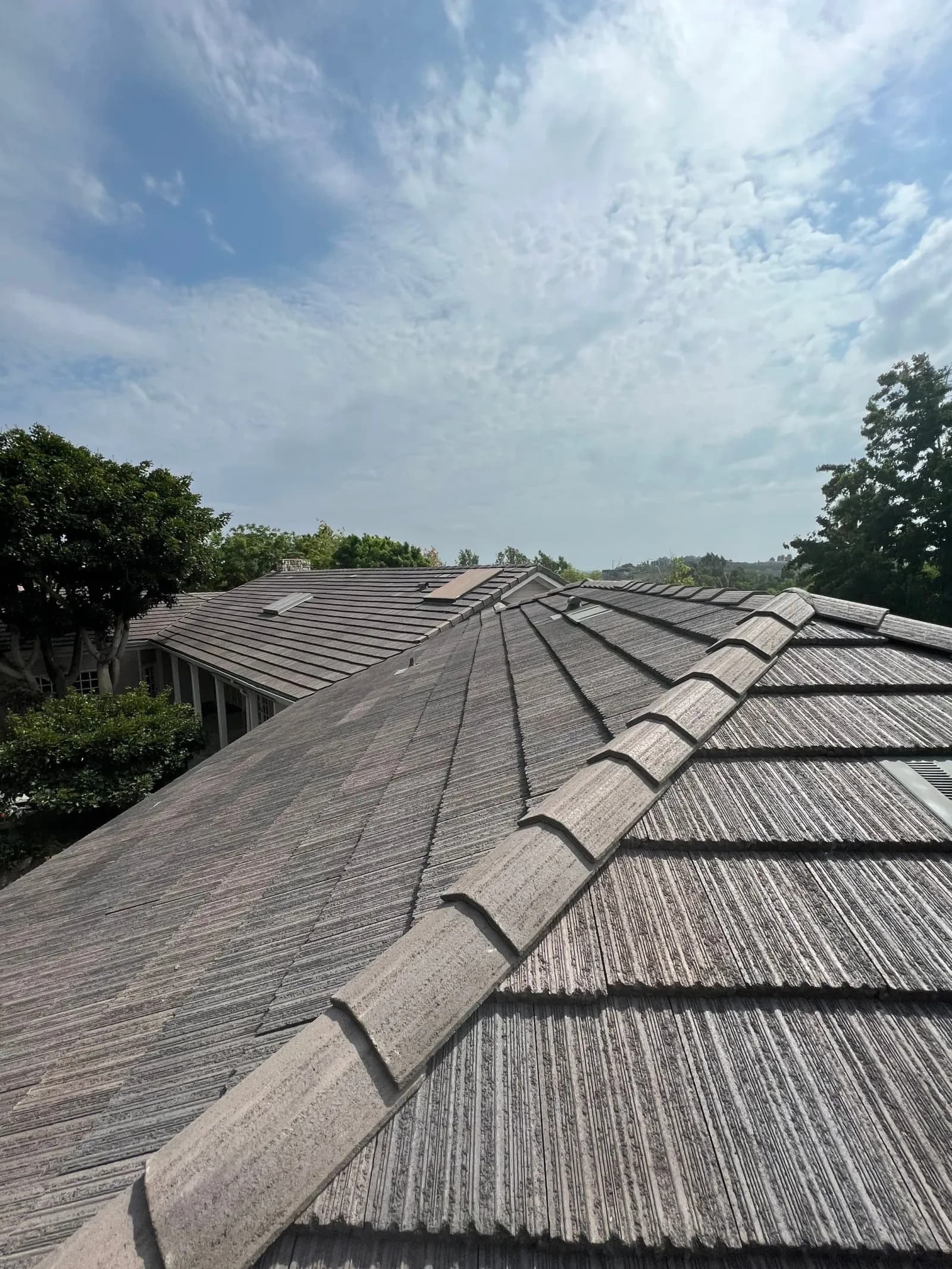
Not every material works at every angle, which is exactly how roof pitch affects your choice of roofing materials. Asphalt shingles and tile generally need a certain minimum slope to drain properly and seal correctly; install them too flat and water can creep under the courses. Very low and flat roofs call for membrane systems like TPO or modified bitumen. So before you fall in love with a particular look, the pitch has already narrowed your menu — and a good roofer will tell you what genuinely belongs on your slope.
Why It Affects Cost and Safety
Steep roofs are harder and slower to work on. Crews need extra fall protection, move more cautiously, and take longer to cover the same area, all of which factors into the price. A very steep roof may also need more material, since the actual surface area is larger than the building's footprint suggests. In San Diego you'll find everything from the gentle slopes of mid-century ranch homes to the steep, dramatic rooflines of Victorian and Craftsman houses, and each presents its own working conditions and cost considerations.
Understanding your pitch helps every roofing conversation make more sense, from material choices to the estimate itself.
Not sure what your roof's slope means for your options? Request an estimate or give us a call — we'll measure your pitch and explain what works best for your home.
Ready for a roof you can count on?
Call (619) 501-2138 or request your free, no-pressure consultation.