
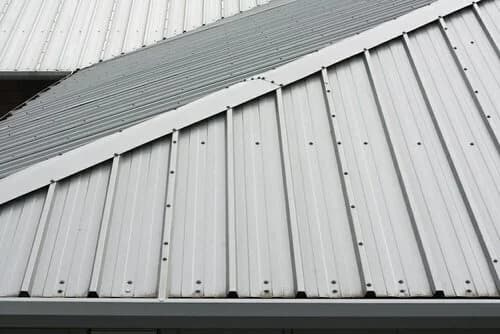
Flat and low-slope roofs play by different rules than the pitched roofs most people picture. Water doesn't simply run off — it has to be guided to drains, and the roof surface itself has to be genuinely waterproof rather than just water-shedding. If you've got a flat section over a garage, an addition, or a modern San Diego home, the two systems you'll hear about most are built-up roofing and single-ply membranes. Before you compare them, it helps to understand the general pros and cons of a flat roof so you know what you're working with. Here's how they differ and where each one earns its keep.
Built-Up Roofing (BUR)
Built-up roofing is the old reliable of flat roofs — the classic "tar and gravel" system you've probably seen on older buildings. It's made by layering asphalt or bitumen with reinforcing fabric, building up several plies, and topping it with gravel or a reflective coating. That multi-layer construction gives it real toughness and good resistance to foot traffic, which matters on roofs where HVAC units get serviced.
The trade-offs are weight and installation. BUR is heavy, and the traditional hot-application process is messier and slower than rolling out a membrane. But for the right structure, its durability and built-in redundancy are hard to beat, and the thick gravel surface holds up well to the sun year after year.
Single-Ply Membranes
Single-ply systems are the modern standard for most new flat roofs. As the name suggests, they use one engineered sheet of waterproof material, rolled out and seamed together. The common types are:
- TPO — a white reflective membrane that bounces heat away, popular in our sunny climate
- PVC — durable and chemical-resistant, with strong welded seams
- EPDM — a black rubber membrane known for flexibility and long service
If you're weighing these for a commercial building, our guide to choosing a commercial roof membrane digs deeper into the trade-offs among them.
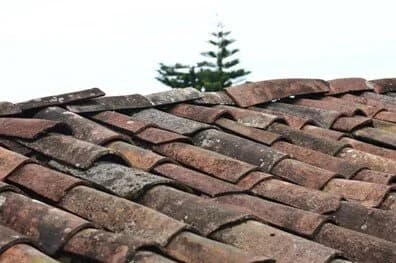
Single-ply roofs are lighter, faster to install, and the reflective white options like TPO and PVC are a real advantage under the San Diego sun, helping keep the building below cooler in summer and easing the load on the air conditioning.
Which One Fits Your Roof
There's no single winner — it depends on the building. Built-up roofing can make sense where durability against heavy traffic is the priority and the structure can carry the weight. Single-ply membranes tend to win on new installations and re-covers where reflectivity, lighter weight, and quicker installation matter, which covers most San Diego homes and many commercial buildings. The age and condition of your existing roof often points clearly toward one or the other, as does whether the deck below can support the added weight of a built-up system. Lighter structures call for lighter systems — much like the flat-roof repair options that suit a mobile home, where weight is a real constraint. A good contractor will weigh all of that with you rather than pushing a single product.
Drainage Is the Great Equalizer
No matter the system, a flat roof lives or dies by keeping water moving toward the drains and off the surface. Ponding water is the most common cause of premature failure, so good detailing around drains, scuppers, and penetrations is essential either way. Even the best membrane will struggle if water sits on it for days after our heavy winter storms, which makes proper slope and clear drains worth getting right. A flat roof is rarely perfectly flat by design — it carries a slight pitch toward the drains — and keeping that path clear of leaves and debris is the simplest thing you can do to protect your investment.
Not sure which flat-roof system suits your home or building? Request an estimate or give us a call — we'll look at your structure and recommend the option that protects it best.
Ready for a roof you can count on?
Call (619) 501-2138 or request your free, no-pressure consultation.