
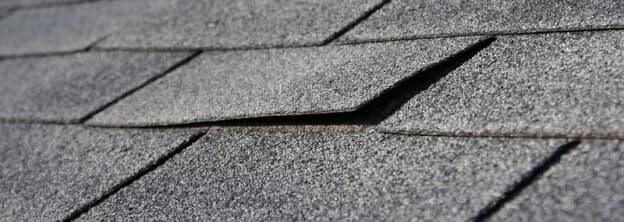
San Diego doesn't get a lot of rain, but when a winter storm rolls through, it can dump more water in an afternoon than we see in months. If you climb up afterward, or just peek from an upstairs window, and notice puddles that are still sitting there a day or two later, that's ponding water. On a roof that's draining properly, water should clear within a day of the rain stopping. When it lingers, something is keeping it from reaching a drain or an edge, and that something is worth finding before the next storm.
What Causes Water to Pond
Ponding is most common on flat and low-slope roofs, which a lot of San Diego homes, garages, and additions have. A few usual suspects:
- Sagging or settled decking that creates low spots over the years.
- Clogged drains, scuppers, or downspouts packed with leaves and grit.
- Debris dams from palm fronds, dirt, and washed-down shingle granules.
- Poor original slope that never drained well to begin with.
On sloped tile and shingle roofs, you're more likely to see water backing up behind a blockage in a valley or at a gutter line rather than sitting in an open pool.
Why Standing Water Is a Problem
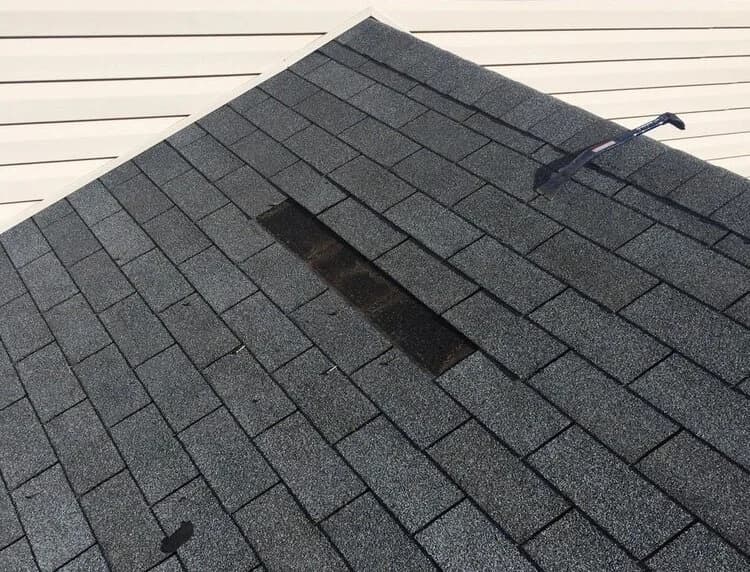
Even a shallow puddle is heavier than it looks, and that weight presses down and deepens the low spot over time, so a small pool tends to grow into a bigger one. Standing water also breaks down roofing materials faster, works its way into tiny seams and laps, and grows algae and moss that hold even more moisture against the surface. With our long dry stretches followed by sudden downpours, materials expand and contract a great deal, so any weak point gets tested hard the first time water sits on it for days. What looks like a harmless puddle is really a slow, patient leak waiting for an opening.
What You Can Do About It
The quickest win is keeping drains, scuppers, and gutters clear, especially while you're preparing roof drainage right before our rainy stretch hits. If water keeps pooling in the same spot after every storm, the roof likely needs a closer professional look. A roofer can taper a low area, add or reposition drains, or recoat a flat section so water actually runs off the way it should. Trying to simply build up a low spot yourself usually just traps water in a new place and creates a fresh problem next door.
When to Call a Pro
If ponding shows up alongside interior stains, soft or spongy decking, or a flat roof that may be nearing the end of its life, don't wait for the next storm to test it further. Catching a drainage problem while the roof is otherwise sound is far cheaper and far less disruptive than repairing water damage to ceilings and framing after the fact. A short inspection now can save you a much larger project later.
Request a free roof evaluation or give our team a call and we'll find out why the water's sitting and get it draining the way it should before the next downpour arrives.
Ready for a roof you can count on?
Call (619) 501-2138 or request your free, no-pressure consultation.