
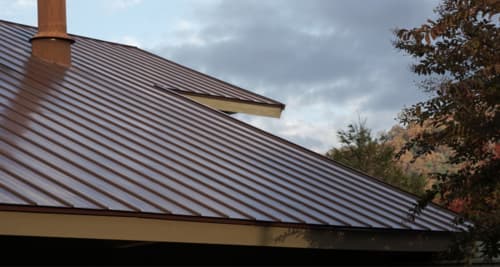
We do not get many big storms in San Diego, so when that first winter rain finally rolls through it is tempting to just be glad it is over and move on. But the day or two right after the weather clears is the best window you will get to make sure your roof came through intact. Wind and heavy rain can loosen, crack, or shift roofing in ways that will not cause a leak until the next storm arrives, and a quick check now can save you a much bigger headache later.
Start From the Ground
You can learn a surprising amount without ever touching a ladder. Walk the full perimeter of your home and look up at the roof from several angles, ideally with a pair of binoculars so you can see detail.
Scan for shingles or tiles that look lifted, cracked, slipped out of line, or missing entirely. Confirm that vents, the chimney, and any other rooftop fixtures still sit straight and have not shifted. Bright spots where the underlayment or bare decking shows through are an obvious red flag worth noting for a closer look.
Check the Gutters and Ground
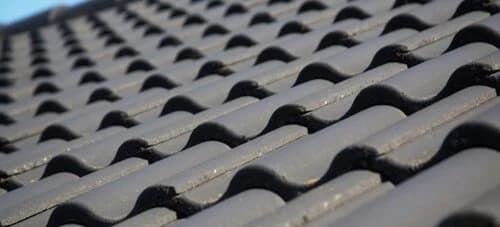
Your gutters tell a story after a storm. A heavy load of sandy shingle granules collecting in them suggests the storm wore down your roof's protective surface, and clogs or sagging sections mean water was not draining the way it should during the downpour.
Then look carefully at the ground around the house. Pieces of shingle, broken tile fragments, or chunks of flashing scattered in the yard all came from somewhere, and that somewhere is your roof. Set anything you find aside so you can point it out during an inspection and help pin down where the damage occurred.
Look Inside, Too
Some storm damage shows up indoors before anything is visible outside. If you can do so safely, head into the attic with a flashlight and look for fresh water stains on the decking, damp or matted insulation, or daylight coming through where it should not be.
Back in your living spaces, keep an eye on ceilings and the tops of walls over the next several days for new stains or discoloration. A leak that started during the storm sometimes takes a little while to soak through and work its way into view, so the all-clear is not always immediate.
It is also worth checking the corners of rooms below the roofline and around any skylights or ceiling fixtures, since those transition points are where water tends to surface first. A faint ring that grows even slightly over a couple of days is a sign worth acting on rather than waiting out.
When in Doubt, Have It Looked At
A post-storm roof inspection routine like this takes only a few minutes and catches the kind of small damage that quietly turns into a leak by the next rain. Make it a habit after every notable storm, jotting down anything that looks off, and you build a simple record that makes any later repair faster to diagnose. The one rule worth keeping: stay off the roof yourself.
Roofs are slippery and steep, especially while they are still wet, so leave the close-up inspection to someone with the right equipment and footing. Request a free inspection or give our team a call and we will check the spots you cannot safely reach and catch storm damage before it becomes a leak.
Ready for a roof you can count on?
Call (619) 501-2138 or request your free, no-pressure consultation.