
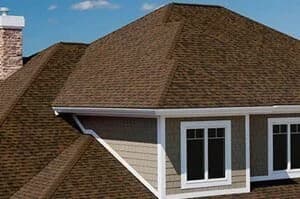
Stand across the street from your house and glance up at the ridgeline. It should run straight and true, like a level laid across the top of the home. If you notice a dip, a wave, or a section that bows downward, your roof is trying to tell you something. A sag is never purely cosmetic — it points to a problem in the materials or the structure holding everything up, and structure is not where you want surprises. The big questions are what's causing it and how urgently you need to respond, because the answer ranges from "keep an eye on it" to "call someone today."
The Most Common Causes
Roof sagging usually traces back to one of a few sources. Long-term water damage is the most common: years of small, unnoticed leaks can rot the decking and weaken the framing beneath it until it can no longer hold its shape. Excessive weight is another culprit, sometimes from too many layers of old roofing stacked on top of each other during past re-roofs, or from heavy materials the structure was never designed to carry. And simple age takes a toll too, as decades of stress, sun, and gravity gradually wear down rafters and trusses. Occasionally an original framing or construction shortcut shows up only years later as a slow, growing dip.

When It's Urgent
Some sags demand fast attention. A sudden or rapidly worsening dip, a sag paired with active leaking, cracking or popping sounds from the framing, or doors and windows that suddenly start to stick can all signal that the structure is under real distress. If you see a pronounced bow or feel any give when walking on the roof, stay off it and get a professional out quickly rather than investigating further yourself. Structural failure is rare, but when it happens it's serious and dangerous, and the warning signs are worth taking at face value rather than hoping they'll settle down on their own. A bowed roofline, groaning framing, and doors that won't close are the stuff of creepy old houses, but on a real home they have ordinary, fixable explanations.
When You Have a Little More Time
A slight, long-standing dip in an older home that hasn't changed in years is often less alarming, but it still deserves a proper evaluation rather than a shrug. The danger with sagging is that it tends to accelerate — once framing or decking starts to give, the load shifts onto the remaining structure and the problem compounds on itself. What looks minor today can become costly if ignored through another wet San Diego winter, when added water weight and saturated decking put even more strain on a roof that's already struggling. A thorough inspection before the storms arrive is the surest way to know how much time you really have.
Get a Clear Diagnosis
Only a hands-on inspection can pinpoint whether you're dealing with worn decking, overloaded framing, or something deeper. Guessing from the ground isn't enough. Noticing a dip or wave in your roofline? Schedule a free inspection or give us a call — we'll find the cause and tell you straight whether it can wait or needs attention now.
Ready for a roof you can count on?
Call (619) 501-2138 or request your free, no-pressure consultation.