
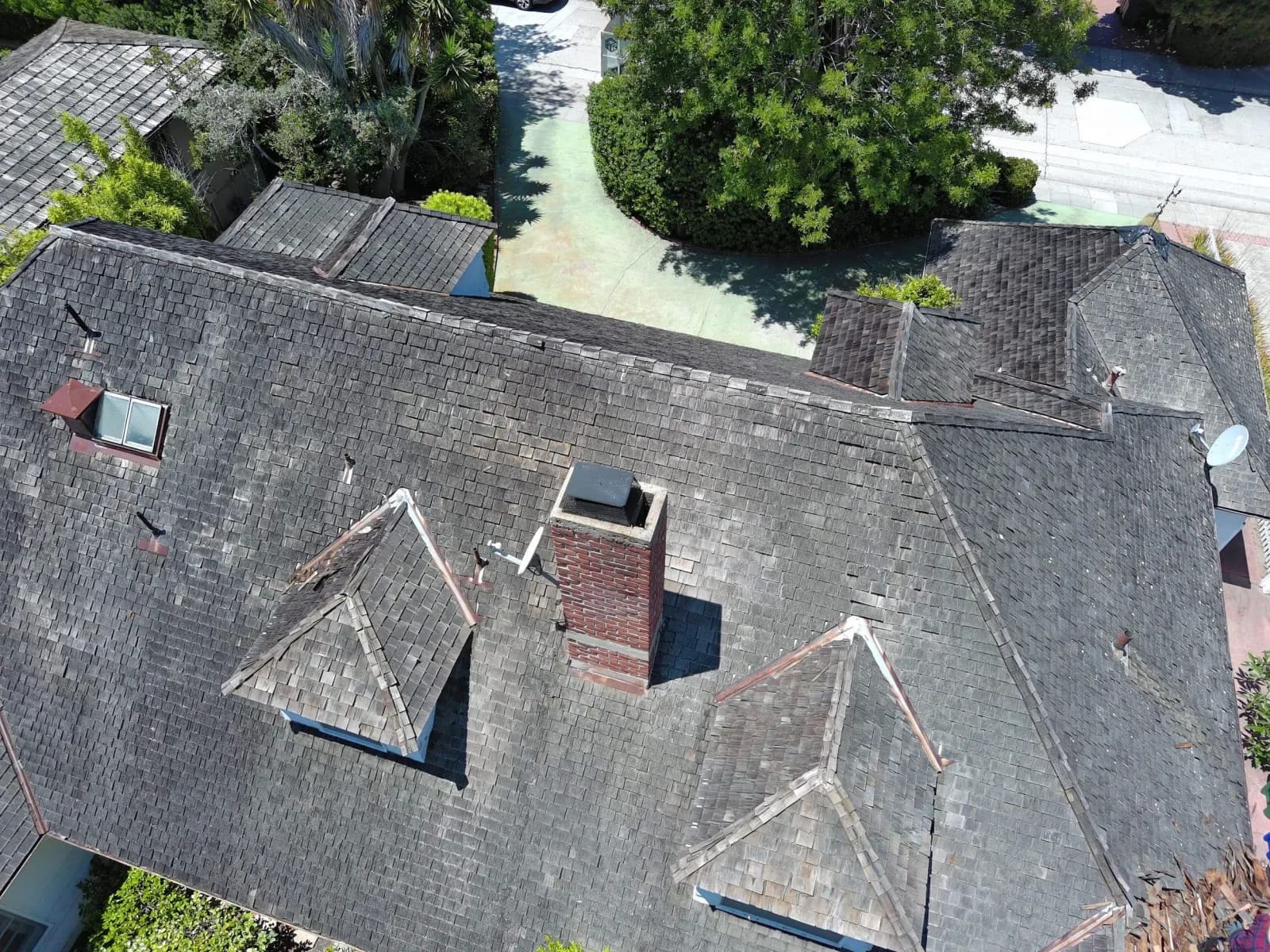
"We inspected your roof" can mean a lot of different things. Some so-called inspections are a quick walk around the yard with a pair of binoculars. A real one is a methodical, top-to-bottom look at every part of the roof system — the surface, the structure underneath, and the places where water likes to sneak in. Knowing the difference helps you tell a useful report from a sales pitch, and it helps you understand what you are actually paying for. It also pays to recognize when it's time for a roof inspection in the first place.
The Exterior: More Than Just the Shingles
The visible roof surface is the obvious starting point, but a good inspector reads it carefully. They look for cracked, curled, or missing shingles, the kind of bad shingles you can learn to read yourself, granule loss collecting in the gutters, and the wear patterns that the San Diego sun leaves over years of UV exposure. On tile roofs, they check for slipped, cracked, or broken pieces and the condition of the underlayment beneath them. Southern and western slopes get extra scrutiny, since they take the brunt of the afternoon sun and tend to age first.
Just as important are the transitions and penetrations. Valleys, flashing around chimneys and skylights, vent boots, and the seams where two slopes meet are where most leaks begin — chimney flashing in particular hides in plain sight as a leak source. A thorough inspector spends extra time exactly where the trouble tends to start, rather than only eyeballing the wide-open field of the roof. Rubber vent boots in particular tend to crack and dry out under years of sun, and a failed one can drip into the attic long before anything shows on the ceiling below.
The Often-Skipped Interior Check
A roof problem usually shows itself inside the house first. That's why a complete inspection includes a look in the attic, where daylight through the decking, water stains on the rafters, damp insulation, or a musty smell tell a story the surface can hide. Ventilation gets checked here too, since a stuffy, overheated attic shortens the life of the roof above it and drives up cooling costs through our long, warm summers.
Drainage and the Edges
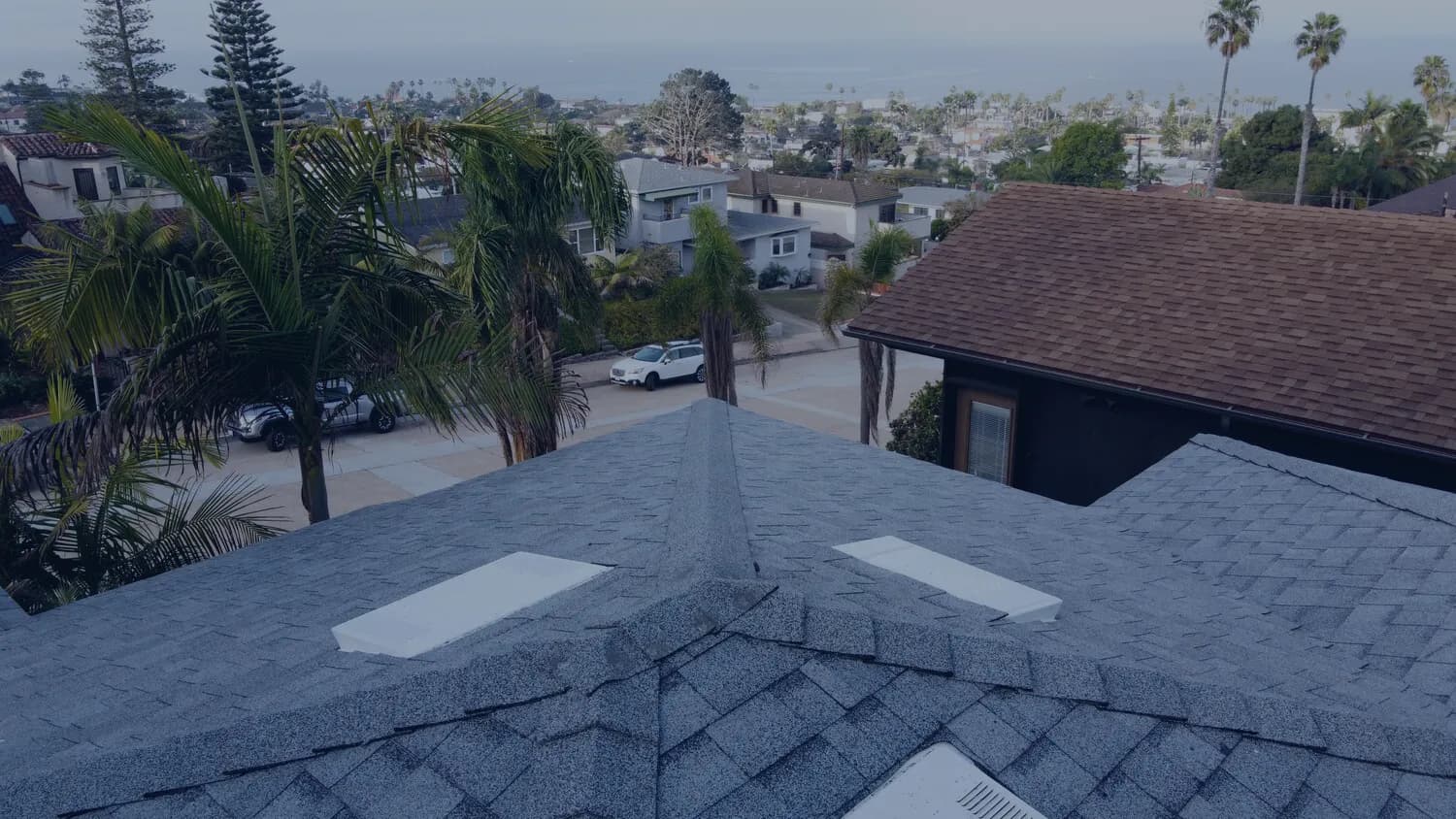
Water has to get off the roof and away from the house. An inspector checks gutters and downspouts for clogs and proper slope, looks at the drip edge and fascia for rot, and confirms that water isn't being dumped right against the foundation. In our climate, where rain arrives in concentrated bursts after months of dry weather, drainage that can't keep up turns a sound roof into a leaking one fast. Along the coast, salt air corrodes metal flashing and fasteners, so those components get a closer look near the water.
What You Should Get Afterward
A worthwhile inspection ends with a clear, honest report — ideally with photos — that explains what's in good shape, what needs attention soon, and what can wait. It should help you plan, not pressure you into a replacement you don't need. An inspector who only ever recommends a full reroof, regardless of the roof's actual condition, is worth a second opinion. The goal is information you can act on at your own pace, whether that means a small repair now or a budget set aside for a few years out. A good report also gives you a baseline, so the next inspection can show whether anything has changed.
Not sure when your roof was last looked at properly? Request a free inspection or give us a call — we'll walk your whole roof system and give you a straight assessment of where it stands.
Ready for a roof you can count on?
Call (619) 501-2138 or request your free, no-pressure consultation.