
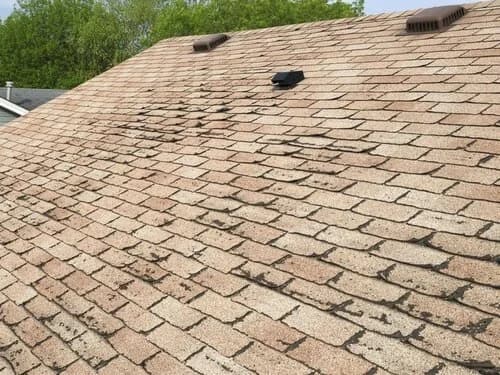
Skylights are one of the best things you can add to a home: free daylight, a sense of openness, and a window straight up to the sky. They are also one of the most common sources of roof leaks, and almost always at the same moment, the first hard rain after a long dry stretch. If a drip seems to materialize around your skylight every winter, you are not seeing bad luck. You are seeing a very predictable pattern.
Why the First Storm Finds Them
San Diego goes months with little to no rain. During that long dry stretch, the sun bakes the sealant and flashing around a skylight, drying it out and shrinking it until tiny gaps quietly open up. Everything looks perfectly fine, because there is no water around to reveal the problem.
Then the first real storm of the season arrives and drives water against those weak points all at once. What held up fine through an entire dry summer suddenly cannot keep up, and the leak shows up indoors as if from nowhere. The damage was building the whole time; the rain just exposed it.
It's Usually Not the Glass
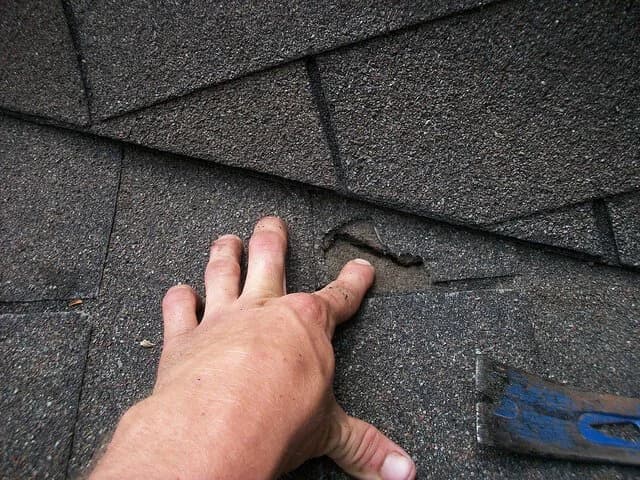
When a skylight leaks, the glass itself is rarely the culprit. The trouble almost always lives at the edges, where the skylight meets the roof and depends on flashing and sealant to stay watertight.
Common failure points include:
- Dried-out or cracked sealant around the frame after a long, hot dry season
- Flashing that has lifted, corroded, or was installed poorly to begin with
- Worn shingles or tiles right up against the raised skylight curb
- Condensation, which can mimic a leak but actually comes from inside the home
Sorting a Leak From Condensation
Not every bit of moisture around a skylight is a roof problem. On cool, damp San Diego mornings, warm indoor air can condense on the cold glass and drip, which looks alarming but is not a leak at all.
The tell is timing and pattern. Condensation tends to appear in the morning and spread evenly around the glass, while a true leak shows up during or right after rain and often stains the surrounding ceiling in a streak. When you are not sure which one you are dealing with, it is worth having the flashing and seals checked by someone who can tell the difference.
San Diego's cool, damp marine mornings make condensation especially common, which is part of why skylights get blamed for leaks they are not actually causing. Improving ventilation in the room below often quiets the morning drip, while a genuine flashing failure needs a real repair on the roof.
Get Ahead of the Next Storm
The encouraging part is that skylight leaks are usually very fixable, and catching one early keeps it from soaking the ceiling and framing around it. The repair is almost always far smaller than the damage it prevents, especially when it is handled before a series of storms has had a chance to work water deep into the surrounding structure.
If your skylight has a history of winter drips, the fix is usually a straightforward reseal or flashing repair, best done in dry weather. Schedule a free inspection or give us a call and we will find out whether it is the flashing, the seal, or just condensation, and keep you dry through the rest of the season.
Ready for a roof you can count on?
Call (619) 501-2138 or request your free, no-pressure consultation.