
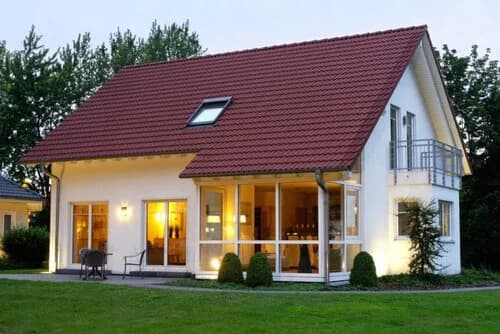
San Diego is rich with historic homes, the Spanish Revival haciendas of Kensington, the Craftsman bungalows of South Park, the early-century cottages tucked across Mission Hills. Reroofing one of these houses is a different undertaking than reroofing a tract home. The goal isn't just a watertight roof; it's preserving the character that makes the home special while quietly bringing it up to modern standards.
Respect the Original Design
The roof is central to a historic home's identity. A Spanish Revival house relies on its barrel clay tile and rounded ridge lines; a Craftsman depends on its broad eaves and the texture of its original material. Replacing those elements with something generic doesn't just look wrong, it can diminish the home's architectural value and curb appeal.
The right approach starts with understanding what was originally there and what defines the style. Sometimes the original tile can be salvaged and reset; other times you match the profile and color as closely as modern materials allow. Either way, the silhouette and texture should read true to the era.
Mind the Historic District Rules
Many of San Diego's historic neighborhoods and individually designated properties fall under preservation oversight. If your home is in a historic district or carries a historic designation, exterior changes, including the roof, may need review and approval before work begins.
These rules exist to protect the streetscape, and they can dictate acceptable materials, colors, and profiles — much like the approvals an HOA homeowner navigates before a roof replacement. Working with a roofer familiar with local preservation requirements keeps your project compliant and spares you the frustration of approval delays or being ordered to redo finished work.
Update What's Hidden, Honor What's Seen
Here's the balance that defines a good historic reroof: the parts you see should look period-correct, while the parts you don't see should be thoroughly modern. Beneath authentic-looking tile or shingles, today's underlayment, flashing, and ventilation dramatically outperform what was available decades ago.
That hidden upgrade matters in our climate. Modern underlayment handles the heavy bursts of winter rain San Diego gets, proper flashing seals the valleys and chimneys that are common leak points on older homes, and good ventilation protects original framing from heat and moisture. You preserve the look while genuinely improving how the roof performs and how long it lasts.
Work With Someone Who Gets It
Older homes hide surprises, settled framing, prior repairs done poorly, decades-old water damage, and they reward patience and craftsmanship over speed. The wrong crew rushes through and flattens the character; the right one treats the home as the irreplaceable piece of San Diego history it is.
Experience with tile, traditional materials, and the realities of aging structures makes the difference between a roof that simply functions and one that protects and honors the home. On framing that wasn't built for today's heavy tile, lightweight tile can preserve the period look without overloading the structure. A historic property is worth that extra care.
It also pays to plan for the unexpected. Older roofs often reveal hidden conditions only once the existing material comes off, so a thoughtful contractor builds in time and flexibility to address what's found rather than papering over it. That measured pace is part of doing the job right. Rushing a historic reroof to save a few days almost always costs more in lost character and future repairs than it ever saves up front.
If you own a piece of San Diego's history and it's time to think about the roof, reach out to our team or call us directly. We'll help you preserve the character your home deserves while building in the protection it needs.
Ready for a roof you can count on?
Call (619) 501-2138 or request your free, no-pressure consultation.