
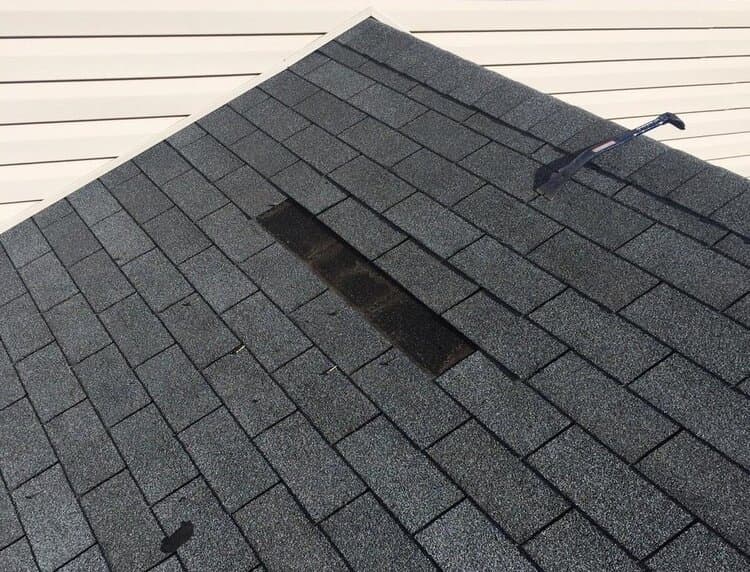
The rains have passed and the skies are clear, so it's tempting to assume your roof sailed through winter just fine. But the damage a wet season leaves behind is often quiet. It doesn't announce itself with a dramatic, drip-in-the-living-room leak; it shows up as small, easily missed flaws that the coming summer sun will steadily widen. Catching those signs now, in the calm window before the heat sets in, is one of the smartest and most affordable moves a San Diego homeowner can make. Here's what to look for.
Missing, Cracked, or Slipped Pieces
Winter wind and rain loosen things up. Scan the roof for shingles that are missing, cracked, curling at the edges, or sitting out of line, and on the tile roofs so common here, look closely for slipped, shifted, or broken tiles. Each gap is a doorway for water. Even a single missing shingle exposes the underlayment beneath to UV that will degrade it surprisingly fast once summer arrives, turning a one-shingle fix into a much larger problem if it's left through the dry months. It's worth understanding the quiet damage winter leaves behind on your shingles so you know what to watch for.

Flashing and Seal Failures
The metal flashing and sealant around chimneys, skylights, and vent pipes take a real beating during winter's repeated wet-and-dry cycles. Look for cracked caulk, lifted or rusted metal, split rubber vent boots, and sloppy old patch jobs from previous owners. These transitions are the single most common place leaks begin, because they're where the roof's continuous surface gets interrupted. A small failure here is cheap and quick to fix in dry spring weather, but expensive and disruptive to deal with after it's been quietly leaking into your decking for months.
Stains, Moss, and Soft Spots
Some of the best clues are inside. Step into the attic with a flashlight and check the underside of the roof deck for fresh water stains, dark discoloration, or streaks you don't remember seeing before. Back outside, watch for moss or algae taking hold in shaded, north-facing areas, since they trap moisture against the roof and slowly break materials down. And if any part of the roof feels soft or spongy underfoot, stop right there and call a professional, that's a telltale sign of water-damaged decking beneath the surface that needs proper attention.
Why Acting Now Matters
Spring and early summer are the ideal window for repairs, and it's not just convenience. It's also prime time for a professional inspection: the weather is dry and stable, crews can work without rushing, and you're fixing problems while they're still small and contained. Ignore them, and a long season of intense San Diego sun will turn minor wear into a full-blown failure, often surfacing at the worst possible moment, right when the next winter rains return and you can least afford a leak. If several of these post-winter clues add up, they may be among the signs you need a new roof rather than a simple repair. A little attention now buys you years of trouble-free roof. The homeowners who get burned are almost always the ones who assumed a clear sky meant a healthy roof and waited until water was already inside. A short inspection this spring, whether you do it yourself or bring in a pro, is the cheapest insurance you can buy against that scenario, and it costs you nothing but an hour and a flashlight.
Schedule a post-winter inspection or give us a call — we'll find what the rainy season left behind and put it right before the summer heat does more damage.
Ready for a roof you can count on?
Call (619) 501-2138 or request your free, no-pressure consultation.