
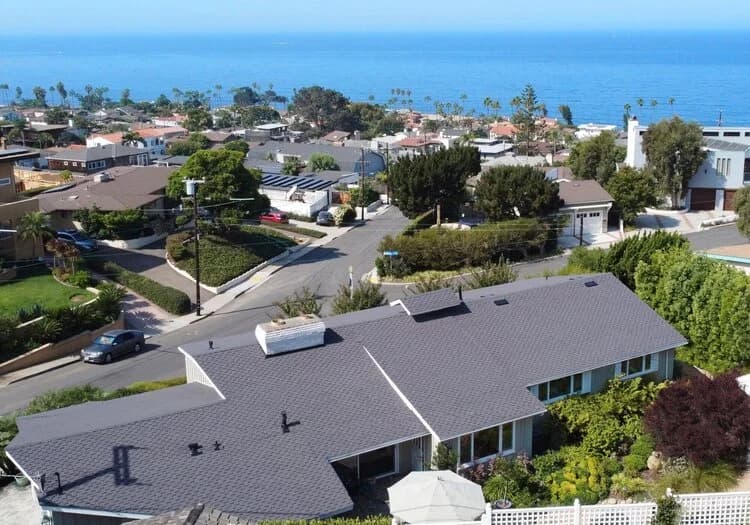
When summer settles over San Diego, the difference between a comfortable home and a stuffy one often comes down to something most homeowners never think about: the color and material of their roof. A standard dark roof can reach 150°F or more on a sunny afternoon, and a lot of that heat works its way down into your attic and living spaces. A "cool roof" is designed to do the opposite — reflect sunlight and release absorbed heat — so your home stays cooler and your air conditioner works less.
What Makes a Roof "Cool"
A cool roof isn't a single product; it's any roofing system engineered for high solar reflectance and thermal emittance. In plain terms, it bounces more sunlight back to the sky and holds onto less heat. That can mean light-colored shingles or tile, specially coated metal panels — and it's worth knowing that metal roofs run cooler than most people expect — or a reflective coating applied to a flat roof. Even a few shades lighter, paired with the right material, can noticeably lower the surface temperature of your roof. The same thinking is behind the innovations driving cool roofs in warmer cities everywhere.
Here in our coastal-to-inland climate, the payoff is real. Homes farther from the coast — think El Cajon, Santee, or Escondido — bake under stronger afternoon sun and benefit the most. But even near the water, a cooler roof eases the load on your HVAC during those late-summer heat waves when the marine layer burns off early.

How It Saves You Money
The savings come from a simple chain reaction. A cooler roof means a cooler attic. A cooler attic means less heat radiating into your ceilings. And that means your air conditioner cycles on less often and runs for shorter stretches. Over a long San Diego summer, that adds up on your energy bill — and there are even cool-roof rebates and incentives many San Diego homeowners miss that can add to the savings. It also extends the life of your cooling equipment, since it isn't fighting the heat as hard.
There's a comfort benefit, too. Two-story homes and rooms directly under the roof tend to run warmer than the rest of the house. Knocking down attic temperatures helps even out those hot spots so you're not closing off a bedroom every July.
The Bonus: A Longer-Lasting Roof
Heat is one of the biggest enemies of any roof. Constant thermal expansion and contraction breaks down asphalt shingles, dries out sealants, and accelerates wear. By running cooler, a reflective roof ages more slowly — which means fewer repairs and a longer stretch before replacement.
Is a Cool Roof Right for Your Home?
Almost any San Diego home can benefit, but the best approach depends on your existing roof, its color, and how your attic is ventilated. A cool roof works best as part of a complete system — good insulation matters even in warm climates and proper ventilation amplifies the effect. If you're already thinking about replacing an aging roof, choosing cool-roof materials is one of the easiest upgrades to fold in.
Curious whether a cool roof makes sense for your home and budget? Contact our team or give us a call — we'll take a look at your current roof and walk you through your options before the next heat wave hits.
Ready for a roof you can count on?
Call (619) 501-2138 or request your free, no-pressure consultation.