
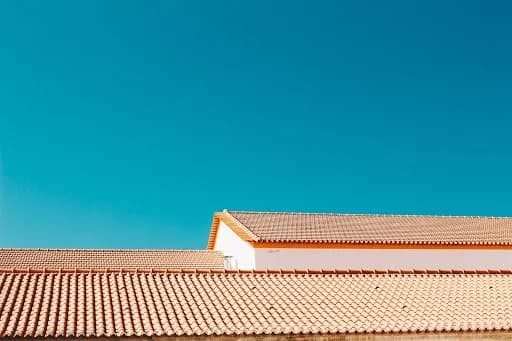
Fire season is a fact of life in San Diego County, and even when the flames stay miles away, their effects don't. Smoke drifts over neighborhoods, ash settles on rooftops, and Santa Ana winds carry embers far from the fire line. Your roof is the first surface to catch all of it. Understanding what smoke and ash do up there, and what to look for once the air clears, helps you protect both your roof and your home.
Ash Is More Than Just Dirt
The fine gray ash that coats everything after a fire isn't harmless dust. It's slightly abrasive and chemically active, and when it mixes with the moisture of our morning marine layer or an early-season rain, it can form a mild acidic residue. Left sitting on the roof, that residue can stain tile, dull and degrade shingle surfaces, and work its way into the granules that protect asphalt shingles from the sun. Ash also collects quickly in valleys, gutters, and around penetrations, where it holds moisture against the roof instead of letting it drain away.
Embers Are the Real Danger
Smoke and ash are nuisances, but embers are a genuine hazard. Driven by Santa Ana winds, embers can travel well ahead of a fire and land on roofs far from the actual blaze. They settle into the same vulnerable spots where debris collects, dry leaves in a gutter, needles caught in a roof valley, gaps around a vent, and that's where they can ignite. This is why clearing roof and gutter debris before fire season peaks is one of the most important things a homeowner can do.
Cleaning Up the Right Way
Once a fire passes and the air is safe, the roof deserves attention. Ash should be cleared gently, since aggressive scrubbing or high-pressure washing can dislodge shingle granules and do more harm than the ash itself. A soft rinse and careful removal of debris from gutters, valleys, and around vents is usually the right approach. While you're clearing the roof, it's a good moment to look for any embers that may have scorched a surface or any debris that's been packed into the crevices where water needs to flow.
Material Matters in Fire Country
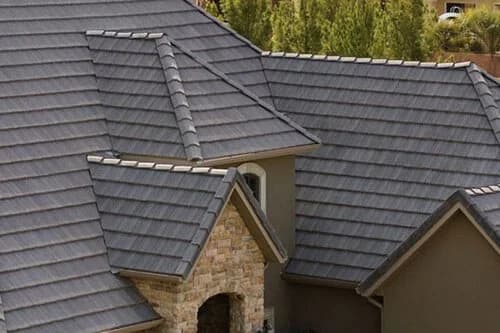
Not all roofs handle fire season equally. Clay and concrete tile, along with quality metal systems, are naturally resistant to flame and hold up well against drifting embers, which is one reason tile is such a San Diego fire-resistance advantage. If you're due for a new roof and you live in a higher-risk area near the canyons or foothills, ember-resistant roofing is worth a serious look. Pairing the right material with diligent seasonal cleaning gives your home its best defense.
It's also smart to think about the timing of all this. Fire season in San Diego often runs right up against the start of the rainy season, which means ash that settled during a fall blaze can be sitting in your gutters and valleys just as the first storms arrive. That combination is exactly what causes overflow and pooling, so clearing the roof after a smoky stretch does double duty: it removes the corrosive residue and it gets your drainage ready for rain. Handling both at once saves you a second trip up the ladder.
After a smoky stretch, it's wise to have your roof checked for ash buildup, hidden ember damage, and clogged drainage before the rains arrive. If you'd like a professional inspection following fire season, reach out to our team or call us. We'll help you clean up safely and make sure your roof is ready for whatever the season brings next.
Ready for a roof you can count on?
Call (619) 501-2138 or request your free, no-pressure consultation.