
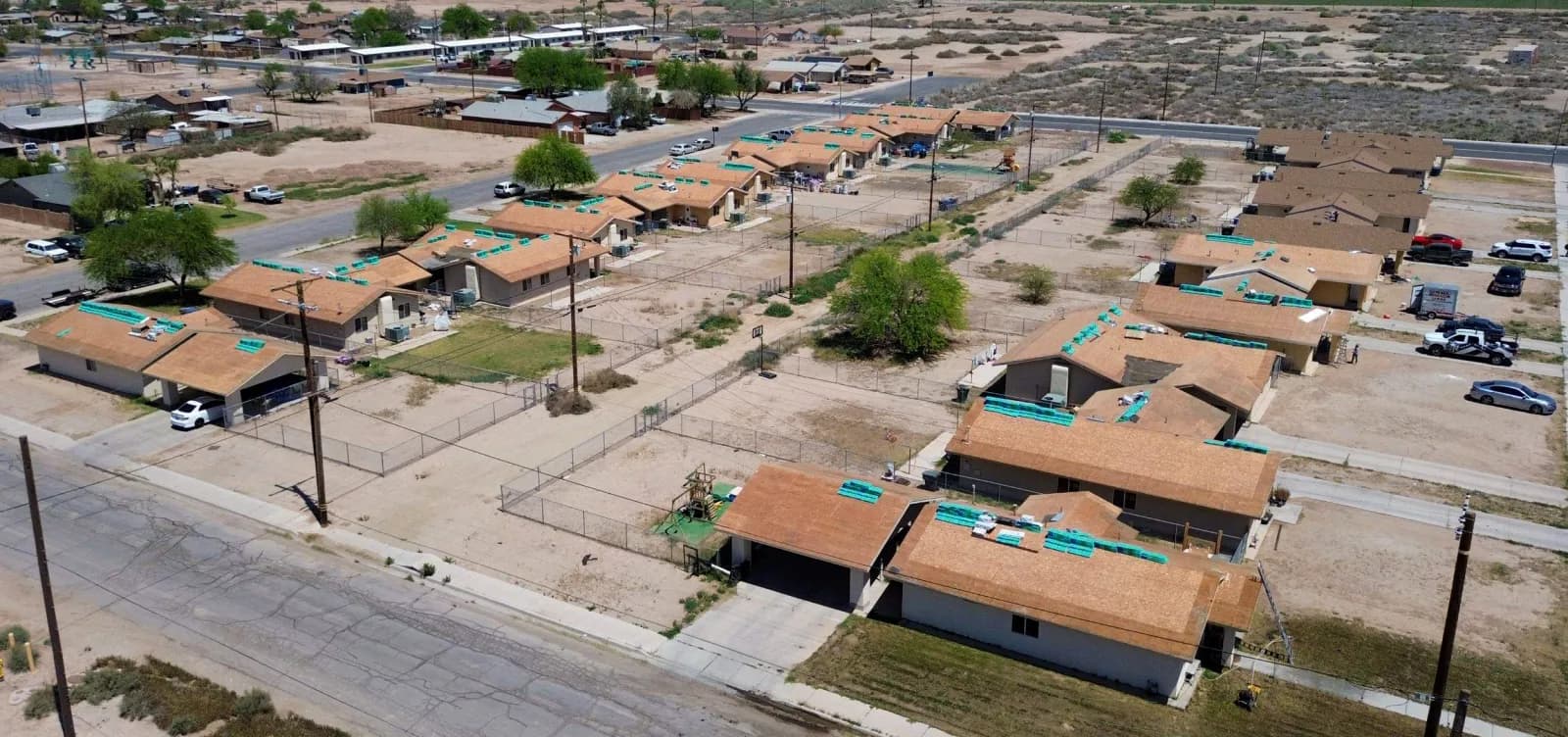
When wildfire threatens a San Diego neighborhood, the danger usually doesn't arrive as a wall of flame. It arrives as embers, carried on the wind far ahead of the fire itself, landing on roofs and in gutters long before anyone sees smoke nearby. That's why your roof is one of the most important parts of your home's defense, and why the role your roof plays in fire safety puts ember-resistant roofing at the center of any fire-prep conversation here.
How Embers Threaten Your Home
A burning ember is small, but it only needs one place to settle and smolder. Dry leaves in a gutter, a gap under a tile, or an exposed vent can all give an ember the foothold it needs to ignite. Because embers travel ahead of the flames, homes far from the fire line can still catch, which is exactly what makes them so dangerous in our hilly, brush-lined communities. During the Santa Ana wind events that drive our worst fall fires, those embers can be carried a long way on a fast, dry wind, putting neighborhoods well outside the obvious burn zone at risk.
What Makes a Roof Ember-Resistant
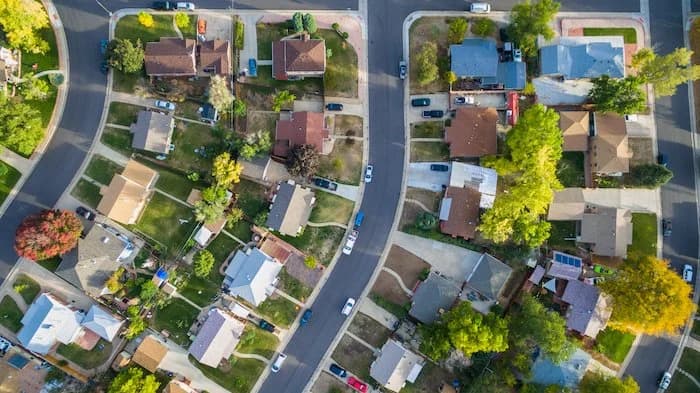
The good news is that the roof itself can be one of the toughest barriers you have. A Class A fire-rated roofing system, built with materials like concrete tile, clay tile, metal, or fire-rated shingles, resists ignition far better than older or untreated surfaces.
But the covering is only part of it. Ember resistance also depends on the details: sealed gaps at the ridge and eaves, fire-rated underlayment beneath the surface, and protected vents that won't let embers slip into the attic. Tile roofs, for instance, look fire-safe and largely are — the fire resistance of clay and concrete tile is a real San Diego advantage — but the open ends at the eaves can let embers tuck underneath unless they're properly birdstopped and sealed. The system only performs as well as its weakest detail.
Don't Forget the Vulnerable Spots
Even a fire-rated roof has openings that need attention. Attic and soffit vents are common entry points, so screening or ember-resistant vent guards make a real difference. Gutters full of dry debris are another classic hazard, since they hold tinder right at the edge of the roof. Keeping them clear through fire season is simple and genuinely protective. The same goes for any spot where leaves and needles collect, such as roof valleys, behind chimneys, and in the low corners of a complex roofline. These quiet pockets of dry debris are exactly the kind of fuel a single landed ember needs, and clearing them costs nothing but a little time.
Building a Safer Roof Overhead
If you live near canyons, open space, or brush, upgrading to an ember-resistant roofing system is one of the highest-value steps you can take. It won't guarantee safety on its own, but combined with hardening the rest of your home — including ember-resistant vents — and defensible space around your property, it stacks the odds in your favor. Pairing a fire-rated roof with cleared gutters, screened vents, and a well-maintained yard gives your home far better odds of riding out an ember storm than any single measure could on its own.
Want to know how well your current roof would stand up to blowing embers? Request an inspection or give us a call — we'll walk your roof, point out the weak spots, and explain your fire-resistant options.
Ready for a roof you can count on?
Call (619) 501-2138 or request your free, no-pressure consultation.