
Home Hardening for Wildfire in San Diego
"Home hardening" means upgrading the parts of your house that are most likely to ignite in a wildfire so the structure can survive on its own — because in a fast-moving fire, the fire department can't be everywhere at once. In San Diego County, where so many neighborhoods back up to canyons and open hillside, it's become one of the most important investments a homeowner can make. This guide walks through it from the roof down.
Why homes burn — it's usually embers, not the flame front
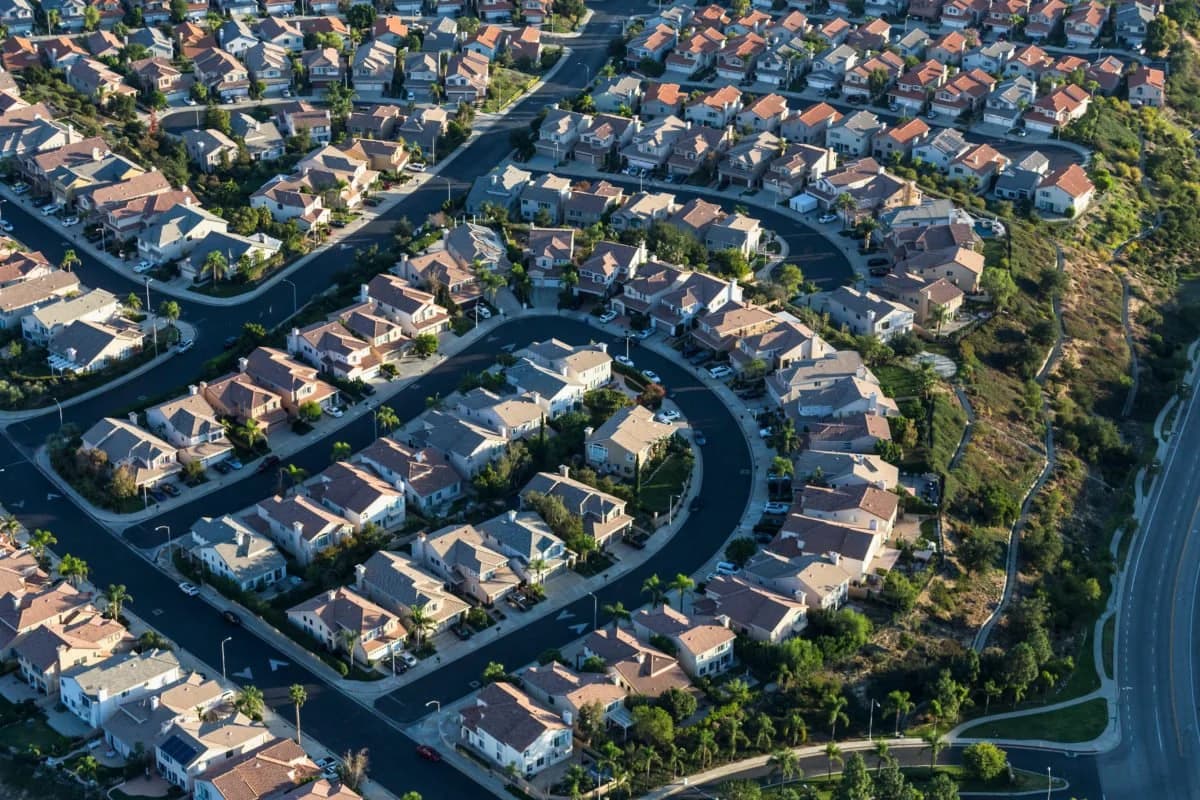
The instinct is to picture a wall of flame sweeping over a house. But after fires like the Cedar and Witch fires, investigators found that most homes are lost a different way: wind-driven embers, which can travel a mile or more ahead of the fire, land on or enter the home and ignite it from a small, overlooked weak point — long before (or well after) the main fire passes.
That's good news, in a way: it means the vulnerabilities are specific and fixable. Harden the weak points and a home stands a far better chance.
Start at the top: roof and vents
The roof assembly and its vents are the highest-priority upgrades, and they're our specialty.
- Ember-resistant vents. Attic, eave, and gable vents are the single most common way embers get inside a home, where they smolder into insulation and framing. Replacing them with fire- and ember-resistant vents — Brandguard, Vulcan, or O'Hagin, all tested to ASTM E2886 — closes that path. This is the highest-impact, lowest-cost item on the list. See our ember-resistant vents page.
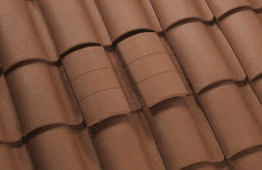
- A Class-A roof. A Class-A fire-rated roof assembly is the highest level of fire resistance for roofing. If your roof is aging or damaged, a roof replacement with a Class-A assembly hardens the largest surface of your home and resets its lifespan at once.
- Clean valleys and gutters. Dry leaves and needles collecting in roof valleys and gutters are ready fuel for landing embers. Ember-resistant gutter guards and regular clearing help.
Work down the structure
- Eaves and soffits. Open eaves can trap rising embers and heat. Enclosing ("boxing in") eaves and using ember-resistant soffit vents removes that trap.
- Gable ends and walls. Large gable vents are a major opening; non-combustible or fire-rated siding adds further protection.
- Windows. Dual-pane and tempered glass resists breaking from radiant heat, which would otherwise let embers and flame inside.
- Decks and attachments. A combustible deck or fence butting against the house can carry fire right to the wall — non-combustible materials near the structure break that path.
The zone around your house: defensible space
California requires defensible space around homes in fire-prone areas — generally managed in zones extending out from the structure:
- 0–5 feet (the ember-resistant zone): keep this immediate band clear of anything that burns — no bark mulch, no firewood piles, no flammable plants right against the wall.
- 5–30 feet: "lean, clean, and green" — well-spaced, well-watered plants, no continuous fuel paths, trees limbed up.
- 30–100 feet: reduce and space out vegetation so fire can't build momentum as it approaches.
Hardening the house and maintaining defensible space work together — neither alone is as effective as both.
The rules behind all this: WUI code and insurance
Two forces are pushing San Diego homeowners to harden their homes:
- The building code. Homes in a designated Fire Hazard Severity Zone fall under the California Building Code's wildfire provisions (Chapter 7A), which set fire-resistance requirements for roofs, vents, eaves, and more on new construction and many retrofits.
- Insurance. Carriers are non-renewing homes that don't meet fire-hardening standards, while California's "Safer from Wildfires" rules require insurers to credit measures like ember-resistant vents and Class-A roofs. Hardening your home is increasingly what keeps it insurable — see our guide to roofing and vents for home insurance.
Where Resilient Roofing comes in
We can't replant your landscaping, but we handle the highest-impact items on this list — your roof, vents, eaves, and gutters. We're a family-owned San Diego roofer, licensed and insured (CSLB #247618), serving the county since 1967. We'll inspect your home's roof and vents, tell you honestly what's worth doing, and document the work for your insurer.
To start, request a free assessment or call (619) 501-2138.
Frequently Asked Questions
What is home hardening?
Home hardening means upgrading the parts of your house most likely to ignite in a wildfire — roof, vents, eaves, gutters, windows, and nearby attachments — so the structure can survive embers and heat on its own. In a fast-moving fire, hardened homes stand a far better chance because most homes are actually lost to wind-driven embers, not the main flame front.
What's the most important home-hardening upgrade?
For most San Diego homes, ember-resistant vents are the highest-impact, lowest-cost upgrade, because attic, eave, and gable vents are the single most common way embers get inside. A Class-A fire-rated roof is the next priority, especially if your roof is aging. See our ember-resistant vents page and roof replacement options.
What is defensible space, and how much do I need?
Defensible space is the managed buffer around your home. The 0–5 ft band closest to the house should be kept clear of anything flammable; 5–30 ft should be "lean, clean, and green" with well-spaced plants; and 30–100 ft should have reduced, spaced-out vegetation. California requires defensible space in fire-prone areas, and it works hand-in-hand with hardening the structure itself.
Is home hardening required in San Diego County?
Homes in a designated Fire Hazard Severity Zone fall under the California Building Code's Chapter 7A wildfire provisions, which set fire-resistance requirements for roofs, vents, and eaves on new construction and many retrofits. Much of the county — Scripps Ranch, Rancho Bernardo, Poway, Alpine, Ramona, Julian, Jamul, Valley Center, Fallbrook and more — is affected. Insurers are also increasingly requiring it; see our home insurance guide.
Which parts of home hardening can Resilient Roofing handle?
We handle the highest-impact items: your roof, vents, eaves, and gutters. We'll inspect what you have, recommend what's genuinely worth doing, install it to code, and document the work for your insurer. Request a free assessment or call (619) 501-2138.
Ready for a roof you can count on?
Call (619) 501-2138 or request your free, no-pressure consultation.