
On July 9, 2026, NOAA issued an El Niño Advisory, putting the odds of a very strong event this fall at 81 percent for October through December. That's not a promise of rain — El Niño shifts the odds toward a wetter winter, it doesn't guarantee one — but strong El Niño years have historically brought San Diego up to double our usual ten inches or so. When the forecast leans that hard toward wet, the smart move is to prepare as if it's coming.
Here's the good news: San Diego's first meaningful rain usually doesn't arrive until November. That gives you a real runway. If you start now and work backward from that deadline, roof prep stays calm and cheap instead of urgent and expensive. Here's the month-by-month plan. For the bigger picture on why these winters hit our roofs so hard, see our companion piece on what the 2026 El Niño advisory means for San Diego roofs.
July–August (now): the inspection window
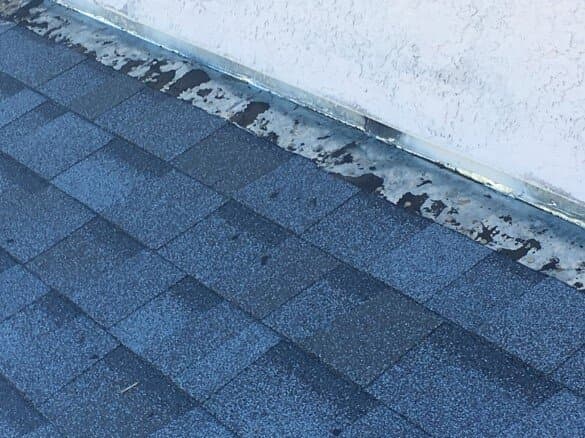
This is when you find out what you're actually dealing with. Roofs are dry, roofers' schedules are open, and there's no pressure. A professional inspection now surfaces the usual suspects — worn flashing, cracked or slipped tiles, brittle underlayment, sealant that's gone hard and crumbly after a long hot summer — while there's still plenty of time to fix them without rushing. Flashing especially deserves attention, since flashing failures are the #1 cause of rainy-season leaks. Getting eyes on your roof in summer means every decision after this is made on your timeline, not the weather's.
September: the repair window
Now you act on what the inspection found. September is for booking and completing repairs: refreshing flashing and sealant, replacing cracked or slipped tiles and worn shingles, and addressing any low-slope areas prone to ponding. Small penetrations matter too — sealing up roof penetrations before the weather turns closes off the little gaps around vents and pipes that the first storm loves to exploit. And if the inspection turned up end-of-life problems, this is the last comfortable month to fit in a full reroof before the season starts.
October: drainage month
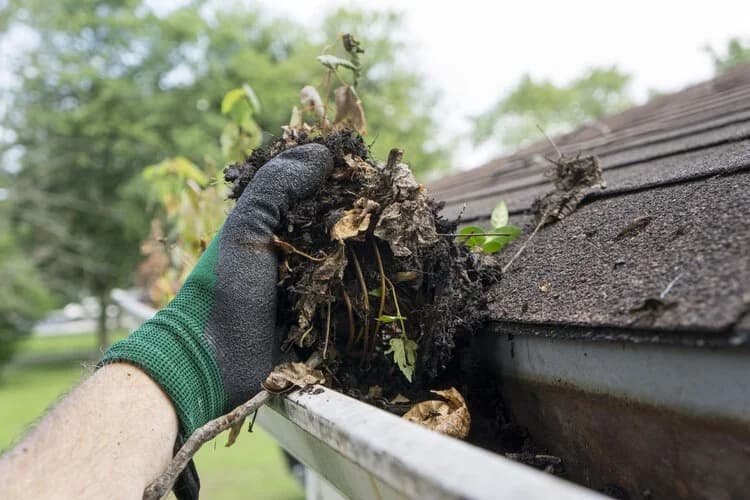
A sound roof still leaks trouble if the water has nowhere to go. October is about drainage. Clean out gutters and downspouts so water actually flows — clogged gutters are a rainy-season emergency waiting to happen, and a heavy El Niño storm is exactly when you'll find out. Add downspout extensions to carry runoff well away from the foundation, and trim back overhanging branches that drop debris into the gutters and whip around in storm winds. If your gutters are undersized or sagging, our gutter services can get them ready before the first downpour.
November: final walk-through
By now the heavy lifting is done, so November is a simple confidence check. Do a visual once-over from the ground — no climbing on the roof, that's a job for pros. After the first real rain, peek into the attic with a flashlight and look for fresh staining or damp insulation. Most importantly, have a plan: know who to call, where your water shutoff is, and where you keep a tarp, just in case something does slip through. Knowing your roof repair options are a phone call away takes the panic out of a leak.
The quiet ones just listen to the rain
Here's what happens in a heavily forecast winter: everyone calls the roofer after the first storm, all at once, and the schedule fills overnight. The homeowners who worked this list through the summer aren't in that line. When the rain finally comes, they're not scrambling for a tarp or a callback — they're just listening to it come down.
If you'd like a professional set of eyes on your roof while there's still time to plan, request a free inspection or give us a call. We're a family-owned San Diego roofer, licensed and insured (CSLB #247618), serving San Diego since 1967 — and we'd rather help you get ahead of this winter than chase a leak in the middle of it.
Ready for a roof you can count on?
Call (619) 501-2138 or request your free, no-pressure consultation.