
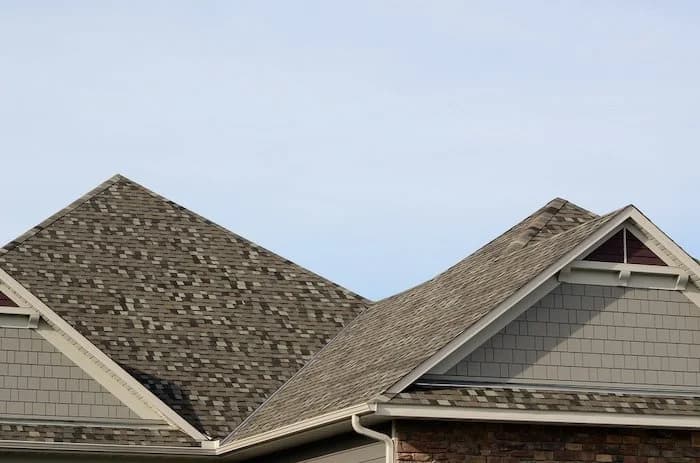
Most San Diego homeowners know the term defensible space — the cleared, managed zone around a house that gives firefighters room to work and slows an advancing fire. We tend to picture it at ground level: trimmed brush, gravel beds, spacing between plants. But defensible space has a third dimension that often gets ignored. Your roof is the largest, most exposed surface on your home, and in an ember storm it's the first thing the fire reaches.
The Roof Is the Biggest Target
When wind-driven embers rain down on a neighborhood, they land everywhere, but the roof catches the most of them — it's the broadest, most exposed horizontal surface your house has. A roof made of or covered in combustible material gives those embers somewhere to settle and catch. That's why fire-rated roofing and a clean roof surface matter just as much as a cleared yard, and arguably more. Think of your roof as the top layer of your defensible space, not a separate concern you can address later.
What Makes a Roof Fire-Resistant
Roofing materials carry fire ratings, and the strongest is Class A — the level recommended for homes in wildfire-prone areas.
- Class A materials like concrete tile, metal, and many asphalt shingle systems resist flame spread
- A complete assembly, including underlayment, earns the rating — not just the surface
- Closed eaves and ember-resistant vents keep fire from getting underneath
Keep the Surface and Edges Clean
Even a Class A roof can be undermined by debris. Dry leaves and pine needles in valleys, gutters, and roof-to-wall joints give embers a place to land and ignite right on top of an otherwise fire-resistant surface. The roofing material may not burn, but a smoldering pile of tinder against the fascia or eave certainly can. Keeping the roof surface clear and the gutters empty through fire season is part of maintaining your overhead defensible space, not an afterthought to tackle if you get around to it.
Bringing It All Together
Defensible space works best as a complete system: a managed yard, hardened vents and eaves, and a fire-resistant, well-kept roof all working together. A weak link in any one of them can undo the others — a beautifully cleared lot won't help much if embers find a combustible roof or an open vent. If you live along the canyons, foothills, or backcountry where San Diego's fire risk runs highest, the roof deserves every bit of the attention you give the landscaping.
The reassuring part is that hardening a roof isn't all-or-nothing. Even if a full reroof isn't in the cards right now, keeping the surface clean, upgrading to ember-resistant vents, and addressing combustible details at the edges meaningfully reduces your risk — the core of home hardening. When the time does come to replace the roof, choosing a Class A assembly locks in that protection for decades.
Wondering how your roof stacks up against fire risk? Request a free inspection or give us a call — we'll assess your roofing, vents, and trouble spots and help you close the gaps.
Ready for a roof you can count on?
Call (619) 501-2138 or request your free, no-pressure consultation.