
Owens Corning Duration & SureNail Technology in San Diego
When homeowners ask why we install Owens Corning Duration shingles, the answer comes down to one feature you can't see once the roof is on: the SureNail strip is a tough woven fabric band built right into the nailing zone of the shingle, and it gives the nails dramatically stronger grip. Better grip means the shingle resists pull-through and blow-off — which, in a place that gets hit by Santa Ana winds, is exactly the property that matters most.
A shingle roof is only as strong as the hold between the nail and the shingle. That single connection is what keeps the whole system on your house when the wind comes up. The SureNail strip strengthens that connection, and it's the main reason Owens Corning Duration is the architectural shingle we reach for in San Diego — and the one we'd put on our own homes.
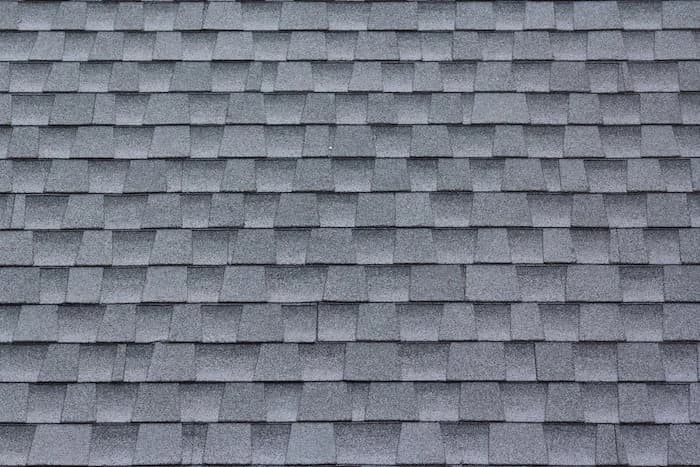
What the SureNail strip actually is
On a standard architectural shingle, the area where the nails are supposed to land — the nailing zone — is just the asphalt-and-granule body of the shingle itself. There's nothing reinforcing it. Drive a nail through that zone and the only thing holding it is the shingle material, which is softer than you'd think once the sun has been working on it for a few years.
Owens Corning's Duration line does something different. Embedded into the nailing zone is a strip of tough, woven fabric — that's the SureNail strip. When your roofer drives a nail through it, the nail passes through that reinforcing fabric instead of through plain asphalt. The result is a fastener that's gripped far more securely, with the load spread across a stronger material rather than concentrated in soft shingle. It's a simple idea executed well, and it changes how the whole roof behaves under stress.
Why this matters so much in San Diego
San Diego doesn't get hurricanes, so it's easy to underestimate wind. But we get Santa Ana winds — those hot, dry, fast-moving events that sweep in from the inland deserts, especially in fall and into winter. They can hit hard, and they're exactly the kind of load that finds the weak point in a roof.
Wind doesn't tear a roof off all at once. It works at the edges, lifts a tab, finds the nail line, and pulls. If the fasteners don't hold, you start losing shingles one at a time — and once a few are gone, the rest become far more exposed. A shingle that holds its nails under that pressure is a shingle that stays on the roof. That's the whole game with wind resistance, and it's why the SureNail strip's grip is more than a marketing line out here.
In our decades roofing San Diego, the failures we see most after a big wind event are roofs where the fasteners pulled through or the shingles weren't nailed into anything strong to begin with. The SureNail design directly targets that failure mode.
How it differs from a standard shingle's nailing zone
It's worth being concrete about the difference, because it's the crux of why we made Duration our default.
- Reinforced vs. unreinforced. A standard shingle's nailing zone is plain shingle material. Duration's is backed by a woven fabric strip, so the nail bites into something far stronger.
- Resistance to pull-through. The most common wind failure is the nail head pulling through the shingle. The fabric strip resists that, because the load is carried by tough woven material instead of soft asphalt.
- A wider, clearer target. The SureNail strip also gives the installer a generous, well-defined nailing area. That makes it easier to land nails where they belong — and properly placed nails are covered by the next course of shingles, so they're not left exposed to weather and rust.
That last point matters for the long haul as much as the wind does. On some shingles, a narrow or poorly marked nailing zone leads to fasteners that end up exposed when the next shingle overlaps. Exposed nails sit out in San Diego's sun and marine moisture and eventually corrode — a slow leak path that doesn't show up for years. A wide, reinforced nailing zone helps keep that from happening in the first place.
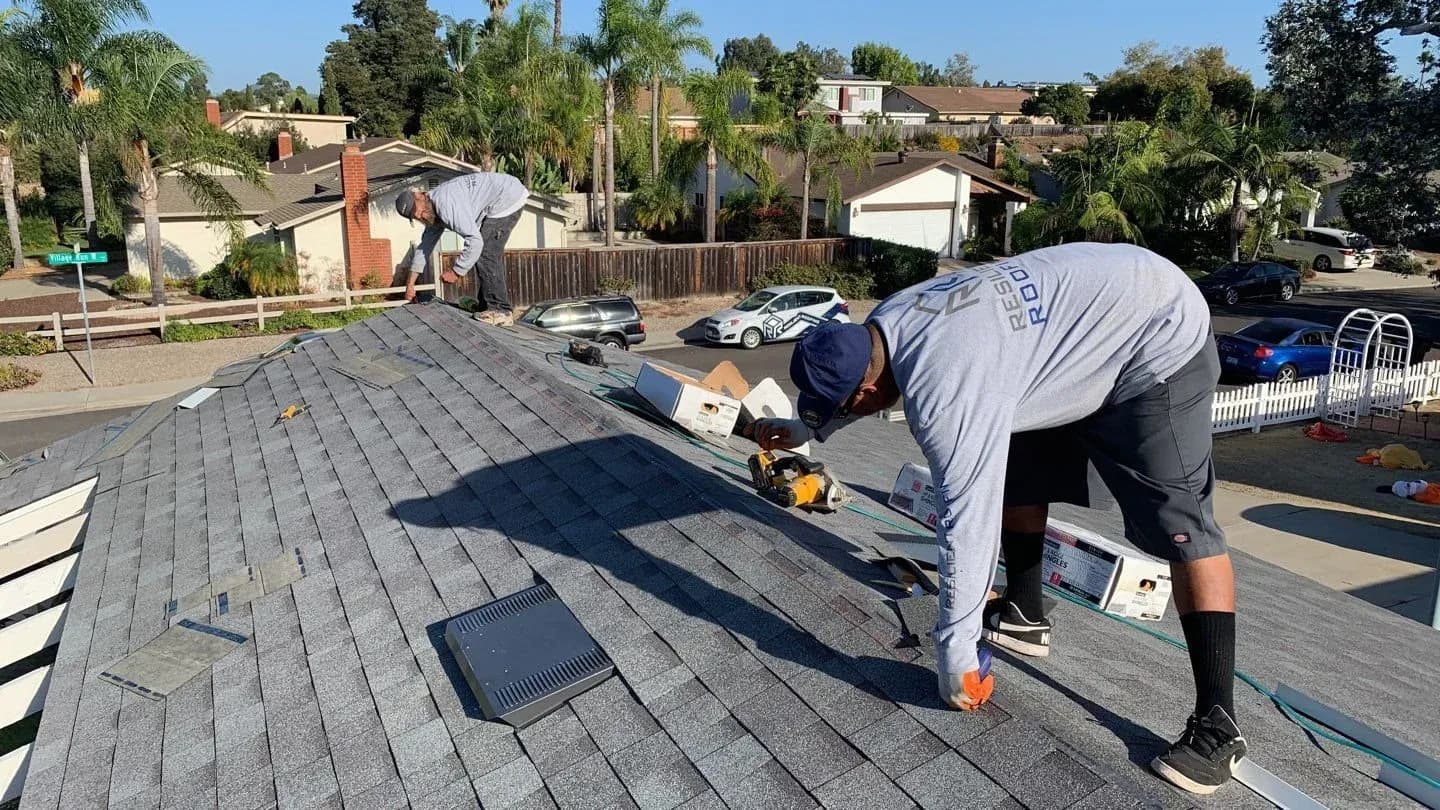
Why Resilient trusts Owens Corning Duration
We don't install a product just because the manufacturer markets it well. We install Owens Corning Duration because, in the field, it does the things a San Diego asphalt roof needs to do: hold its fasteners through wind, give our crews a clean and reliable nailing line, and stand up to years of UV and coastal air. Architectural shingles like these also carry strong manufacturer warranties — confirm the current terms for your specific product before you buy.
It's also a product we know inside and out. When a crew installs the same quality shingle day in and day out, the work gets tighter and more consistent — and consistent nailing is half of what makes a shingle roof last. Combined with the synthetic underlayment we run beneath every shingle roof, Duration gives us a system we stand behind.
If you're weighing asphalt against other options for your home, our overview of roofing materials to consider for your home walks through the trade-offs, and our roofing cost guide lays out real San Diego price ranges so there are no surprises.
The shingle we'd put on our own homes
That's really the honest test we apply to any material: would we put it on our own roofs? With Owens Corning Duration and its SureNail strip, the answer is yes. The reinforced nailing zone addresses the exact failure mode San Diego wind exposes, the nailing line makes for cleaner installs, and the product holds up to our sun and salt air.
We've been roofing San Diego since 1967, we're CSLB-licensed, and we don't upsell — if a repair will do, we'll tell you so. But when it's time for a new shingle roof, this is the system we recommend and install. The first step is always a free, no-pressure look at your actual roof. When you're ready, get in touch and we'll come take a look.
Frequently Asked Questions
What is the SureNail strip on Owens Corning Duration shingles?
It's a tough woven fabric strip built into the nailing zone of the shingle. When a roofer drives a nail through it, the nail passes through that reinforcing fabric instead of plain asphalt, so the fastener is gripped far more securely and the load is spread across stronger material.
Why does wind resistance matter for roofs in San Diego?
San Diego gets Santa Ana winds, which sweep in hot, dry and fast from the inland deserts, mostly in fall and winter. Wind works at the edges of a roof, lifts shingles and pulls at the nail line. If fasteners don't hold, shingles can blow off one at a time. A shingle that holds its nails under that pressure stays on the roof, which is why the SureNail strip's stronger grip matters here.
How is Duration's nailing zone different from a standard shingle's?
A standard architectural shingle's nailing zone is just the asphalt-and-granule body, with nothing reinforcing it. Duration backs that zone with a woven fabric strip, so the nail bites into something far stronger. It resists the nail head pulling through the shingle (the most common wind failure) and gives a wider, clearer target so nails land where they belong and stay covered by the next course.
Why does Resilient Roofing prefer Owens Corning Duration?
In the field it does what a San Diego asphalt roof needs: it holds its fasteners through wind, gives crews a clean and reliable nailing line, and stands up to years of UV and coastal air. Installing the same quality shingle consistently also makes the workmanship tighter, and consistent nailing is half of what makes a shingle roof last. It's the shingle we'd put on our own homes.
Does Resilient install other underlayment with these shingles?
Yes. We run synthetic underlayment beneath every shingle roof. Combined with Owens Corning Duration on top, that gives us a complete system we stand behind. (Note: under tile we use asphalt felt instead, for different reasons.)
How do I find out if Duration shingles are right for my roof?
Start with a free, no-pressure inspection of your actual roof. We're a family-owned, CSLB-licensed San Diego roofer and we don't upsell, so we'll tell you honestly whether you need a repair or a full replacement. You can also review our roofing materials overview and our San Diego cost guide before you decide.
Ready for a roof you can count on?
Call (619) 501-2138 or request your free, no-pressure consultation.