
Roofing Costs Over Time in San Diego
Here's the hard truth about roofs that most home-improvement projects don't share: a roof is one of the few expenses that gets dramatically more expensive the longer you wait. A new kitchen costs about the same whether you do it this year or in three years. A roof doesn't. A small, cheap problem — a single cracked tile, a worn patch of underlayment, a popped fastener — quietly lets water in, and over months and seasons that water turns an affordable repair into a full tear-off with rotted decking and damaged framing to replace.
That's the compounding-damage problem in a sentence: with roofing, time isn't neutral. Every season you put off a known issue, the price tag grows — not in a straight line, but in jumps, as water moves from the shingle or tile into the layers that are expensive to fix. Below is how that plays out on real San Diego homes, why our climate hides the problem so well, and how to time a replacement so you're spending money on a roof instead of on the damage a failing one caused.

How a cheap problem becomes an expensive one
In our decades roofing San Diego, the most expensive jobs we see almost never started expensive. They started as something small that nobody dealt with. Here's the typical path water takes:
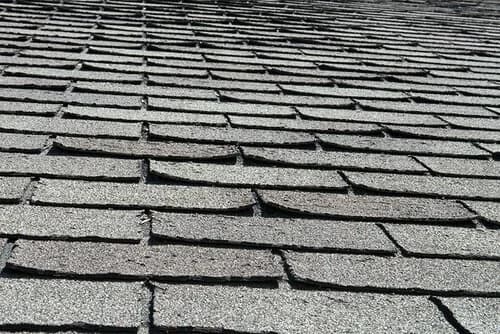
- It starts at the surface. A few worn or curling shingles, a slipped or cracked tile, dried-out flashing around a vent or chimney. On its own, this is a minor roof repair — the cheapest fix on the whole spectrum.
- It reaches the underlayment. Once the outer layer is breached, water gets to the waterproofing beneath. On tile roofs especially, the felt underlayment is the actual barrier keeping water out of the house — and it's often already near the end of its life.
- It soaks the decking. Past the underlayment is the plywood or skip sheeting your roof is nailed to. Wet wood rots. Rotted decking can't hold fasteners and has to be cut out and replaced — labor and material that wasn't in the original quote.
- It hits the framing. In the worst cases water reaches the rafters and framing, which turns a roofing job into a structural one, sometimes with mold or dry rot in the attic to remediate as well.
Each step up that ladder costs meaningfully more than the one before it. The same leak that would have been a modest repair becomes a full replacement — plus decking replacement, plus interior repairs — because it was given enough time to travel.
Why San Diego's climate hides the problem
You'd think a leaking roof would announce itself. In a rainy climate it usually does. But San Diego's weather is exactly what makes our roofs so easy to neglect — and so expensive when neglect catches up.
It rarely rains here. A roof can have a genuine weak spot — failed underlayment, a gap in the flashing, a hairline crack — and go months without a drop of water finding it. So nothing drips, nothing stains the ceiling, and the homeowner has no reason to think anything's wrong. Meanwhile the sun is doing its own slow damage up top.
Then the conditions that do find the weak spot arrive, and they tend to arrive all at once:
- The marine layer. Coastal neighborhoods — La Jolla, Pacific Beach, Coronado, Encinitas — sit under damp marine-layer mornings much of the year. That persistent humidity, plus salt air that corrodes fasteners and flashing, works on a vulnerable roof even without a storm.
- Winter storms. When San Diego does get rain, it often comes as a concentrated atmospheric-river system that dumps weeks of water in a few days. A roof that's been quietly failing all year gets stress-tested in one weekend — and that's when the calls come in.
- Relentless UV and heat. Inland — El Cajon, Santee, Escondido — intense sun ages asphalt shingles and dries out underlayment faster than the calendar suggests. The damage accumulates silently between rains.
- Santa Ana winds. Strong, dry winds lift worn shingles and shift heavy tile, opening up exactly the gaps that the next marine layer or storm exploits.
The pattern we see over and over: the roof was "fine" for years because it was never really tested — and then one storm reveals damage that's been compounding the whole time.
The signs to act on before costs balloon
You don't need to wait for a ceiling stain. The signs that a roof is moving up that cost ladder are usually visible well before water gets inside:
- Curling, cupping, or balding asphalt shingles, or granules collecting in your gutters — the shingle is wearing out.
- Cracked, slipped, or broken tiles you can spot from the ground. The tile may be fine for decades, but a gap lets water at the underlayment now.
- Rusted, lifting, or cracked flashing around chimneys, vents, and skylights — a very common entry point.
- Sagging rooflines or soft spots, which can mean the decking is already wet.
- Daylight, stains, or a musty smell in the attic — the cheapest place to catch a problem before it shows up in your living room.
- Age. If your roof is past its expected life — and on San Diego's many 1960s–80s tile homes, the original underlayment is almost certainly overdue even if the tile looks great — it's worth an inspection regardless of symptoms.
Catch a problem at the first sign and you're usually talking about a repair. Wait until the storm finds it and you may be talking about a replacement plus rotted decking. The difference is timing, not bad luck.
Replace proactively, not reactively
There's a real cost difference between replacing a roof on your schedule and replacing it on the weather's schedule. A proactive replacement — done when the roof is near end-of-life but before it's actively failing — is a clean, predictable job: tear off, inspect, install. A reactive replacement, done after a roof has been leaking, almost always carries extras: rotted plywood to swap out, wet insulation, drywall and paint inside, sometimes mold remediation. Same roof, very different bill.
Proactive timing also lets you choose your moment instead of scrambling during the rainy season when every roofer in the county is booked. And it spares you the in-between cost most people forget — the slow water damage to belongings, framing, and finishes that happens while a "we'll deal with it later" roof keeps leaking.

Material and labor costs trend up, too
Beyond the damage to your own roof, there's the broader reality that roofing isn't getting cheaper over time. Materials, labor, and the cost of meeting California's building codes — including the Title 24 cool-roof requirements that apply in San Diego County's Climate Zone 7 — all tend to move in one direction over the years. We won't pretend to predict exact numbers, and we'd never use scare tactics about future pricing. But it's fair to say that the roof you put off this year is unlikely to be cheaper later — and that's before you add the compounding damage. For the real, current San Diego price ranges by material, see our roofing cost guide.
Don't let budget be the reason you wait
The most expensive thing you can do with a roof is ignore a problem you already know about because the timing isn't convenient. If the only thing keeping you from addressing a failing roof is cash flow, that's exactly the situation flexible financing is built for — it lets you fix the roof on time and spread the cost, instead of paying far more later to repair the damage waiting cost you.
We've been roofing San Diego since 1967, and we'll always tell you honestly where your roof is on that cost ladder. If it's a repair, we'll say so — we don't sell replacements that aren't needed. And if it's genuinely near the end, we'll help you plan the timing so you're paying for a roof, not for the rot. The first step is a free, no-pressure inspection of your actual roof. When you're ready, get in touch and we'll come take a look.
Frequently Asked Questions
Why does waiting to replace my roof actually cost more?
Because roof damage compounds. A small issue like a cracked tile or worn flashing lets water past the surface, where it reaches the underlayment, then soaks the plywood decking, and in the worst cases the framing. Each step costs meaningfully more to fix than the one before. The same leak that would have been a modest repair becomes a full replacement plus rotted-decking replacement plus interior repairs, simply because it had time to travel. Unlike most home projects, a roof rarely costs the same later than it does today.
If my roof isn't leaking inside, doesn't that mean it's fine?
Not necessarily — and in San Diego that's the trap. It rarely rains here, so a roof can have a real weak spot (failed underlayment, a flashing gap, a hairline crack) and go months without water finding it. Nothing drips, so nothing seems wrong, while the sun and marine-layer humidity keep aging the roof up top. Then a winter storm or persistent marine layer finds the weak spot all at once. A lack of interior leaks isn't proof the roof is healthy; it often just means it hasn't been tested yet.
What are the warning signs I should act on before costs balloon?
Look for curling, cupping, or balding asphalt shingles, or granules collecting in your gutters; cracked, slipped, or broken tiles visible from the ground; rusted or lifting flashing around chimneys, vents, and skylights; sagging rooflines or soft spots; and any daylight, stains, or musty smell in the attic. Age matters too — on San Diego's many 1960s-80s tile homes the original underlayment is usually overdue even if the tile still looks great. Catch a problem at the first sign and it's usually a repair; wait until a storm finds it and it may be a replacement plus rotted decking.
What's the difference in cost between replacing a roof proactively versus reactively?
A proactive replacement — done when the roof is near end-of-life but before it's actively failing — is a clean, predictable job: tear off, inspect, install. A reactive replacement after a roof has been leaking almost always adds extras: rotted plywood to cut out and replace, wet insulation, interior drywall and paint, and sometimes mold remediation. It's the same roof but a very different bill. Replacing on your own schedule also means you're not scrambling during the rainy season when every roofer is booked.
Are roofing prices likely to keep rising over time?
We won't pretend to predict exact numbers or use scare tactics, but materials, labor, and the cost of meeting California's building codes all tend to trend upward over the years. So the roof you put off is unlikely to be cheaper later — and that's before you add the compounding damage from waiting. For the real, current San Diego price ranges by material, see our roofing cost guide. The combination of rising base costs and growing damage is why timing matters.
What if I can't afford a new roof right now?
Budget shouldn't be the reason you let a known problem get worse, because that's the single most expensive path. If cash flow is the only thing holding you back, that's exactly what flexible financing is for — it lets you fix the roof on time and spread the cost, instead of paying far more later to repair the water damage that waiting caused. And we'll always tell you honestly whether you're actually looking at a repair or a full replacement; we don't sell replacements that aren't needed.
Ready for a roof you can count on?
Call (619) 501-2138 or request your free, no-pressure consultation.