
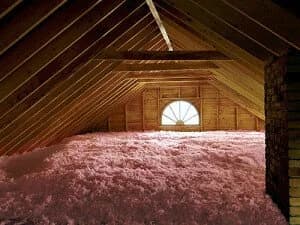
Climb into your attic on a sunny July afternoon and you'll feel it instantly: a wall of heat that can be 40 or 50 degrees hotter than the air outside. That trapped heat isn't just uncomfortable to be around. It seeps down into your living space, forces your air conditioner to work overtime, and quietly shortens the life of your roof above it. The good news is that most of the problem comes down to airflow, and airflow is something a roofer can fix.
Where All That Heat Comes From
The sun beats down on your roof all day, and dark roofing materials soak up a remarkable amount of that energy — one reason roof color has a real effect on indoor temperature. The heat conducts through the roof deck and radiates into the attic, and without a way to escape, it just builds. By mid-afternoon a poorly vented San Diego attic can climb well past 130°F, especially in inland neighborhoods like Lakeside and Poway, where the marine layer lifts by mid-morning. Insulation slows that heat from reaching your bedrooms, but it doesn't remove it. It simply holds it in place above your ceiling like a warm blanket that never cools down.
Why Ventilation Is the Real Answer
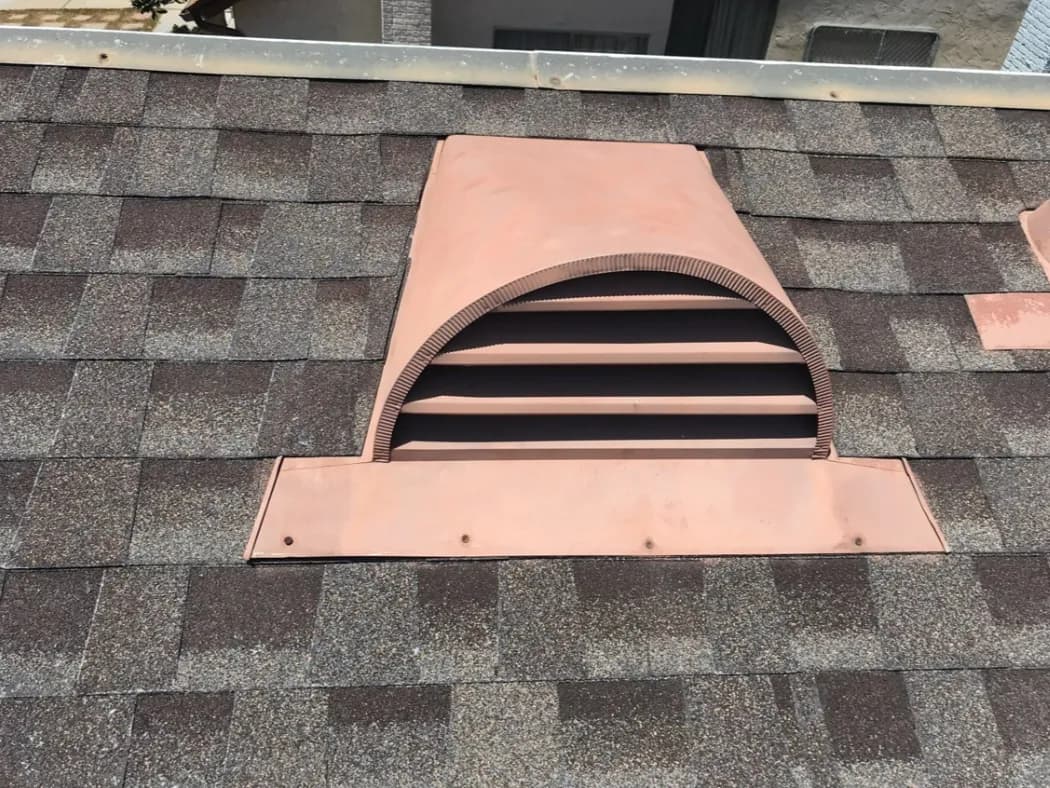
A balanced ventilation system lets hot air flow out near the ridge while cooler air is drawn in down at the eaves. That steady current carries heat out of the attic before it has a chance to pile up. If you want the full picture of how intake and exhaust work together, our guide to roof ventilation breaks the system down step by step. The two sides have to work together: intake low, exhaust high. When one side is blocked by insulation, paint, or a bird's nest, or when it was never installed in the first place, the whole system stalls and the attic simply bakes through the hottest part of the day.
What Good Airflow Does for You
Once the air starts moving, the benefits stack up quickly:
- Lower cooling bills, because your AC isn't fighting a superheated attic all afternoon
- A longer-lasting roof, since extreme heat cooks shingles and dries out the underlayment much like the sun's UV slowly ages your shingles from above
- Fewer moisture problems, as our coastal marine layer pushes humid air that needs somewhere to go
- A more comfortable home, especially in those upstairs rooms that never seem to cool down
Each of those adds up over a long San Diego summer, and together they protect both your comfort and the investment sitting over your head.
Signs Your Attic Isn't Breathing
If your upper floor stays stuffy long after sunset, your energy bills creep up every summer, or you spot blistered shingles and ceilings that feel warm to the touch, your attic is probably starved for airflow. You might also notice frost-like moisture or a musty smell in winter, both signs that trapped air has nowhere to escape. A quick inspection can tell us whether you need added intake vents at the soffits, ridge venting along the top, or simply a better-balanced layout to get the system working as one.
Tired of a stifling attic dragging your whole house down? Schedule a free inspection or give our team a call and we'll check your current ventilation and recommend the simplest fix to keep your home cooler this summer.
Ready for a roof you can count on?
Call (619) 501-2138 or request your free, no-pressure consultation.