
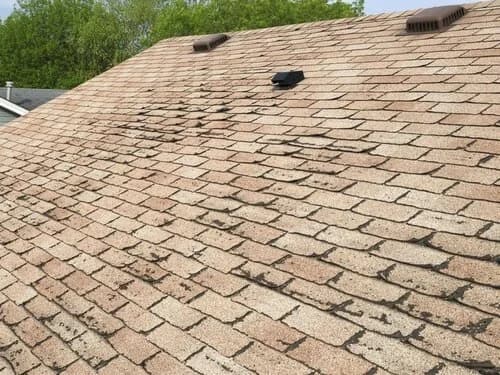
We love our sunshine here, but your roof feels it differently than you do. While 70-and-sunny days make San Diego one of the best places to live, that same steady ultraviolet light is one of the hardest things a shingle ever has to endure. Year after year, the sun slowly breaks down roofing materials from the surface on down, and most homeowners never notice until the damage is well underway and harder to undo.
How UV Breaks Down a Shingle
Asphalt shingles rely on a layer of mineral granules to shield the asphalt underneath from sunlight. UV rays attack the oils that keep that asphalt flexible — a process worth understanding in more depth if you want the full science of UV degradation in asphalt shingles. As those oils slowly cook out, the shingle dries, stiffens, and grows brittle. Once it loses flexibility, it can no longer expand and contract with daily temperature swings without cracking. With more than 260 sunny days a year in our region, that aging process runs noticeably faster here than in cloudier climates, and a roof that might last decades elsewhere can age years ahead of schedule. Sun exposure is also one of the big reasons two roofs in the same neighborhood age so differently, since the slope facing the afternoon sun takes a far harder beating than the shaded side.
The Warning Signs to Watch For
You can spot a sun-tired roof from the ground if you know what to look for:
- Granules collecting in your gutters or at the base of downspouts
- Faded, washed-out color compared to when the roof was new
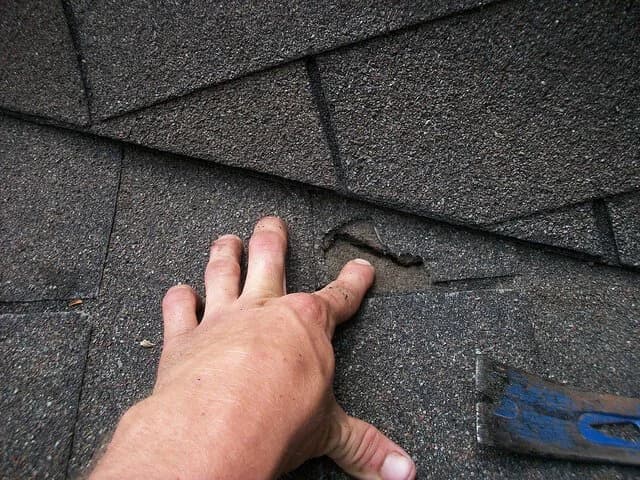
- Curling, cupping, or cracking at the shingle edges
- Bald, shiny patches where the protective granules have worn away
Why It Matters Even Without Much Rain
It's tempting to think a dry climate is easy on a roof, but sun damage quietly sets the stage for our occasional heavy rains. A brittle, cracked shingle has lost its ability to keep water out, so when an atmospheric river finally rolls through, those sun-weakened spots are exactly where leaks begin. The damage happens silently all summer, but you pay for it in winter. Add in coastal salt air near the water and Santa Ana winds that drive grit across the surface, and a sun-baked roof faces wear from several directions at once. The sun does the slow work, and the first real storm finds whatever it left behind.
Slowing the Clock
You can't stop the sun, but you can fight it. Lighter or reflective "cool roof" shingles shed heat instead of soaking it up, which keeps the surface cooler and slows the breakdown of those protective oils. Proper attic ventilation keeps the underside cooler too, so shingles don't bake from both directions at once. And regular inspections catch worn areas before they fail outright, often letting you make a small repair rather than face a full replacement. Even simple steps like keeping debris off the roof and trimming back overhanging branches help the surface dry and breathe.
Not sure how much life your sun-baked roof has left? Request a free inspection or give us a call and we'll assess the UV wear and tear and help you plan ahead before the next rainy season puts it to the test.
Ready for a roof you can count on?
Call (619) 501-2138 or request your free, no-pressure consultation.