
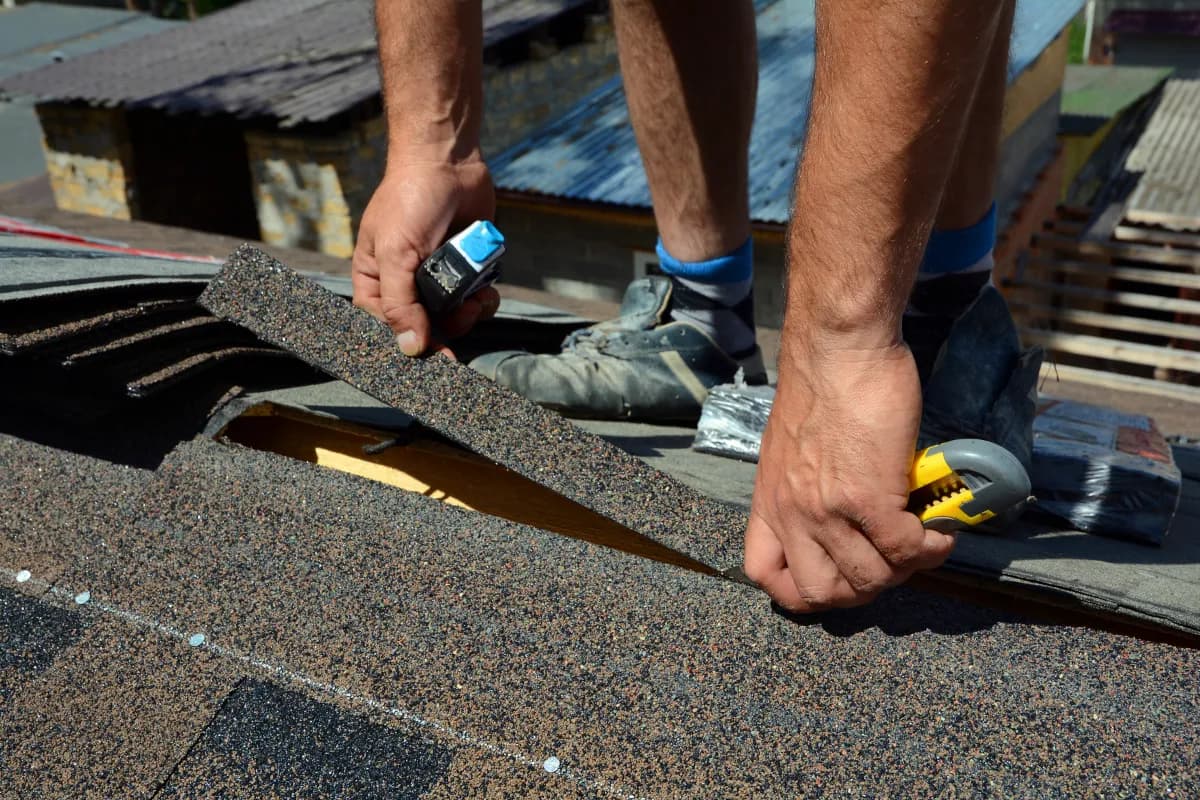
Look up at almost any roof and you'll see a small collection of pipes, hoods, and vents poking through the surface. Most homeowners have no idea what they do; they're just things on the roof. But each one has a real job, and just as importantly, each one is a deliberate hole in your roof that has to be sealed perfectly. Knowing what they are helps you understand your roof and spot trouble before it becomes a leak.
The Plumbing Vent Pipe
The tall, plain pipe is your plumbing vent stack. It lets sewer gases escape harmlessly above the house and allows air into the drain system so water flows smoothly through your pipes. Without it, your drains would gurgle, run slowly, and let unpleasant odors back into the home.
Where that pipe passes through the roof, a rubber-collared boot seals the gap around it. That boot is one of the most common leak points on any roof, because the rubber dries out and cracks under our sun long before the surrounding shingles or tiles look old. It's a cheap part to replace and an expensive one to ignore.
Exhaust Vents and Hoods
The smaller capped hoods scattered across the roof are exhaust outlets, carrying air from your bathroom fans, kitchen range, and clothes dryer up and out of the house. They keep humid, odor-laden, and sometimes lint-filled air from collecting in your attic or living space, where it could otherwise feed mildew or fire risk.
Each of these is flashed and sealed where it meets the roof, and each is a spot worth a glance during any inspection. A failing exhaust hood can let both water and unwanted moisture into the attic, and the damage tends to spread quietly before anyone notices a stain on the ceiling below.
Attic Ventilation Vents
Low-profile vents, ridge vents, and spinning turbine vents aren't tied to a fan; they're ventilating the attic itself, letting built-up heat escape. In San Diego's long, hot summers these are quietly lowering your cooling bill and protecting your roof deck from baking day after day.
They work as a team with intake vents down at the eaves, which draw cooler air in. Together they keep air moving through the attic, which is one of the simplest things that helps a roof reach its full lifespan. When that airflow is blocked or unbalanced, heat and moisture build up and age the roof from the inside out.
Why the Seals Matter Most
Every one of these penetrations interrupts the watertight surface of your roof. The flashing and rubber boots around them dry out and crack under our relentless UV, often well before the rest of the roof shows real age. That's why a roof can be in good overall shape and still develop a leak at a single tired vent boot.
When a roof springs a leak, these penetrations are among the very first places a roofer checks, and a small, timely reseal beats a ceiling repair every time. Sealing up these penetrations before the weather turns is one of the easiest ways to keep a sound roof leak-free.
Noticed a cracked vent boot or a stain near a roof pipe? Request an estimate or give us a call, and we'll inspect every penetration and reseal what needs it before the rain finds the gap.
Ready for a roof you can count on?
Call (619) 501-2138 or request your free, no-pressure consultation.