
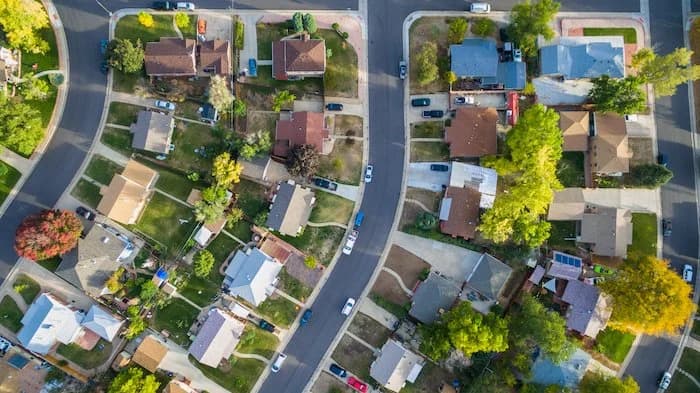
If you've gathered roofing quotes lately, you've almost certainly seen the phrase "architectural shingles" — usually presented as the better, recommended option. But the term gets tossed around so casually that it rarely comes with an explanation. So what are they really, how do they differ from the shingles your grandparents had, and are they worth the upgrade? Let's clear it up.
Dimensional by Design
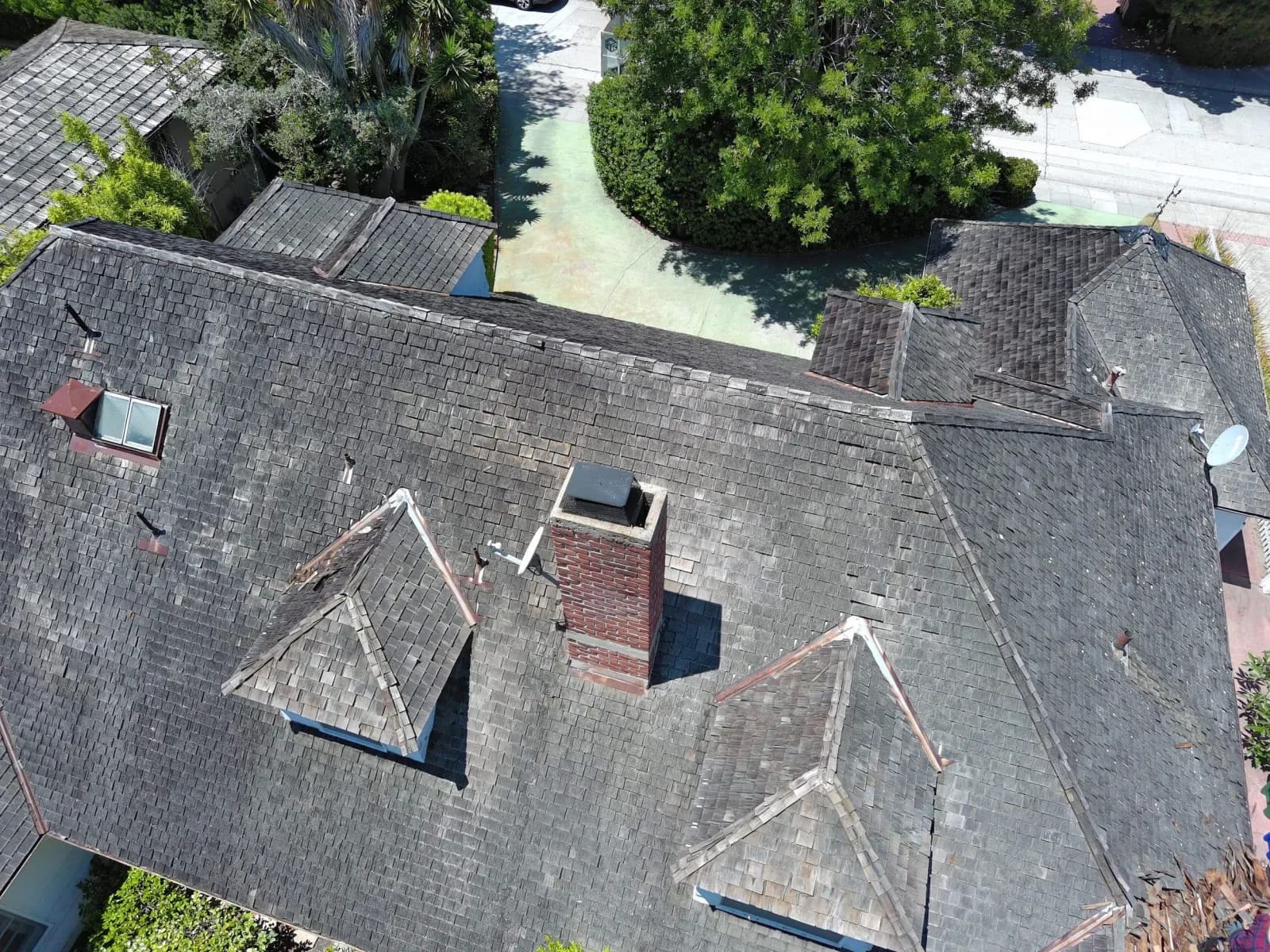
Architectural shingles, also called dimensional or laminate shingles, are built from multiple layers of material bonded together. That layering gives them a thicker, contoured look that mimics the depth and shadow lines of wood shake or slate. The older alternative — the "3-tab" shingle — is a single flat layer with a uniform, repetitive pattern, named for the three even tabs cut into each strip. Stand back from a house and you can usually tell them apart: 3-tabs look flat and striped, architectural shingles look textured and varied, with shadows that shift as the sun moves across the roof through the day.
More Than Just Good Looks
The extra material isn't only about appearance. That added thickness and weight make architectural shingles more durable and noticeably better at standing up to wind. Many carry higher wind ratings than 3-tabs, which matters when our fall Santa Ana winds come barreling through. They also tend to come with longer manufacturer warranties, reflecting their sturdier construction. Because the layers stagger rather than line up in a single flat plane, they also hide minor imperfections in an older roof deck better and resist the kind of uniform wear that can make a 3-tab roof look tired all at once.
How They Fit San Diego Homes
For most San Diego homeowners choosing asphalt, architectural shingles have become the practical default. They handle our intense year-round UV and the occasional heavy storm better than the thinner option, and they come in a wide enough range of colors and tones to suit everything from a coastal bungalow to a suburban two-story. Lighter shades can even help reflect some summer heat, a small bonus in our climate. Many manufacturers also offer cool-rated versions of their architectural lines, which can make it easier to satisfy California's energy requirements without changing the look you're after.
Are They Worth It?
For the modest difference in price over basic 3-tabs, you generally get a better-looking roof that lasts longer and resists wind better — a sensible trade for a home you plan to keep. They've become common enough that they also tend to look at home in most neighborhoods, which can matter if you're thinking about resale or living under HOA guidelines. The right choice still depends on your budget, your roof's pitch, and your goals, so it's worth discussing rather than assuming.
Trying to decide what belongs on your roof? Request an estimate or give us a call — we'll show you samples and help you weigh the options for your home.
Ready for a roof you can count on?
Call (619) 501-2138 or request your free, no-pressure consultation.