
If you've ever pulled a windshield sunshade out of a hot car and felt how much cooler it stayed underneath, you already understand the idea behind a radiant barrier. It's a deceptively simple technology that can make a real difference in how your attic, and the rooms below it, handle our long, sunny San Diego summers. Here's the science behind it and, just as important, where it actually earns its keep.
How Heat Reaches Your Attic
Heat moves three ways, but in a summer attic the big one is radiant heat. Sunlight hits your roof, the roof deck heats up, and that hot surface radiates infrared energy straight down into the attic. It's the same warmth you feel standing near a campfire without ever touching it. Insulation on your attic floor slows conduction, the heat that moves through solid materials, but it does little to stop that radiant energy pouring off the underside of the roof deck. That's the gap a radiant barrier is built to close.
What a Radiant Barrier Actually Does
A radiant barrier is a reflective material, usually a thin aluminum foil layer, installed on the underside of the roof rafters. Instead of absorbing the infrared heat radiating from the hot roof deck, it reflects most of it back toward the roof. The result is an attic that runs noticeably cooler on a blazing afternoon, which means less heat working its way down into your living space and less load on your air conditioner during the hottest hours.
Why It Works So Well in Our Climate
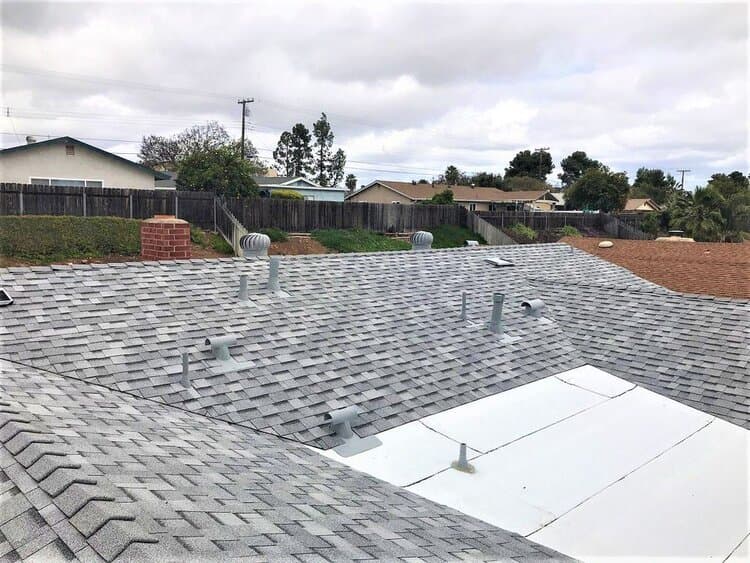
Radiant barriers shine in hot, sunny regions, which makes much of San Diego close to ideal. Our intense, consistent sunshine is exactly the kind of radiant load these barriers are built to reject, and inland neighborhoods that bake well after the marine layer lifts feel the benefit most. Paired with good attic ventilation, which carries away the heat that does get through, a radiant barrier can take real pressure off your cooling system during a heat wave. The two work as a team: the barrier turns away most of the incoming radiant heat, and the ventilation sweeps out whatever slips past before it can build up overhead.
Is It Right for Your Home?
A radiant barrier works best in homes with a hot attic and ductwork or living space tucked up under the roof, where every degree of attic heat reaches the rooms you actually use. It's most cost-effective to install during a re-roof or whenever the attic is already open and accessible, since labor is the main expense. It isn't a cure-all, though. If your insulation is thin or your ventilation is poor, those usually come first because they deliver the biggest payoff, and a radiant barrier then adds the finishing touch to a complete system rather than masking a weak one. It also pairs naturally with other heat-shedding choices, like a reflective cool roof up top.
Curious whether a radiant barrier fits your home? Schedule a free inspection or give us a call and we'll look at your attic and recommend the smartest mix of upgrades to keep things cool through the summer.
Ready for a roof you can count on?
Call (619) 501-2138 or request your free, no-pressure consultation.