
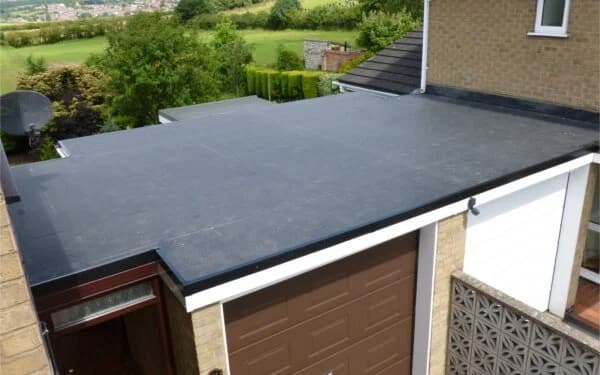
You might not picture moss when you think of sunny San Diego, but a wet winter combined with our daily marine layer creates exactly the damp, shaded conditions it loves. On the north-facing slopes of a roof, or under overhanging trees that never quite dry out, green streaks and spongy patches can take hold without a homeowner ever noticing. The damage they do is slow and quiet, which is precisely what makes it so easy to ignore until it becomes costly.
How Moss and Algae Take Hold
Algae usually shows up first as dark streaks running down the roof. It feeds on the limestone filler in asphalt shingles and spreads through airborne spores, which is why it often appears on several homes in the same neighborhood at roughly the same time.
Moss is the bigger threat of the two. It grows into thick, water-holding cushions that wedge themselves between shingles and tiles. Wherever moss settles in, it keeps the surface damp long after the rain has stopped, and that constant, lingering moisture is what genuinely wears a roof down over the seasons.
The Damage Underneath
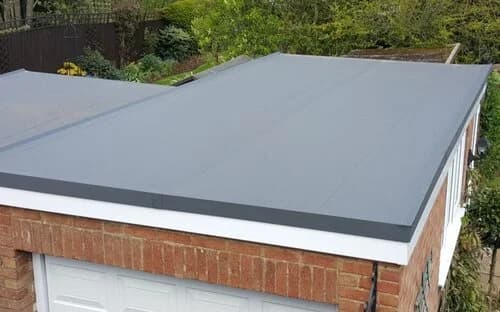
The real problem is not how it looks from the curb. As moss grows, it lifts the edges of shingles and tiles, creating small gaps that let wind-driven rain slip underneath where it was never meant to go. The moisture it traps against the surface accelerates rot in the decking below and breaks down shingles from the top down.
Over time, what started as a harmless-looking green patch can shorten the life of the entire roof and quietly open the door to leaks. By the time the growth is obvious from the ground, the materials beneath it may already be compromised, which is why catching it early matters so much.
Tile roofs are not immune either. Moss happily settles into the channels between curved tiles and behind the overlaps, holding water against the underlayment that does the real waterproofing work. On these roofs the growth is often hardest to spot from the curb, so it can advance further before anyone notices.
Keeping It Off Your Roof
Prevention is mostly a matter of light and airflow, since both moss and algae need shade and dampness to thrive. A few practical steps go a long way:
- Trim back overhanging branches so sun and breeze can dry the roof out
- Keep gutters and valleys clear so debris does not trap moisture against it
- Have heavy growth removed gently, never blasted off with a pressure washer, which strips and damages shingles
- Ask about zinc or copper strips near the ridge, which help discourage regrowth over time
Keep Your Roof Clean and Dry
A clean, dry roof is not just about curb appeal; it is one of the simplest ways to get the full lifespan out of the roof you already paid for. Addressing growth early is always cheaper than repairing the damage it leaves behind, and a few preventive habits each year can keep it from ever gaining a real foothold in the first place.
If you have spotted green streaks or spongy patches after this winter's rain, it is worth handling before they spread further. Request a free inspection or give our team a call and we will assess the growth, check for damage underneath, and recommend a safe way to clean it up.
Ready for a roof you can count on?
Call (619) 501-2138 or request your free, no-pressure consultation.