

Attic ventilation is one of those things homeowners rarely think about until something goes wrong: a too-hot upstairs, a roof that aged faster than expected, or moisture stains appearing out of nowhere. The amount of ventilation your roof needs isn't a guess. There's an actual rule of thumb that guides it, and getting the number right makes a real difference in comfort, energy bills, and how long your roof lasts. Let's walk through how much your roof actually needs and why balance matters as much as quantity.
The 1-to-300 Rule
The widely used standard is one square foot of net free ventilation area for every 300 square feet of attic floor space, when intake and exhaust are properly balanced. So a 1,500-square-foot attic needs roughly five square feet of ventilation total. "Net free area" refers to the actual open area air can pass through, not the overall size of the vent, since screens and louvers reduce the effective opening. Vent manufacturers publish a net free area rating for each product, which is what you size against.
If intake and exhaust aren't balanced, the ratio tightens to 1-to-150. The takeaway: a balanced system lets you ventilate effectively with less total vent area.
Intake and Exhaust Must Balance
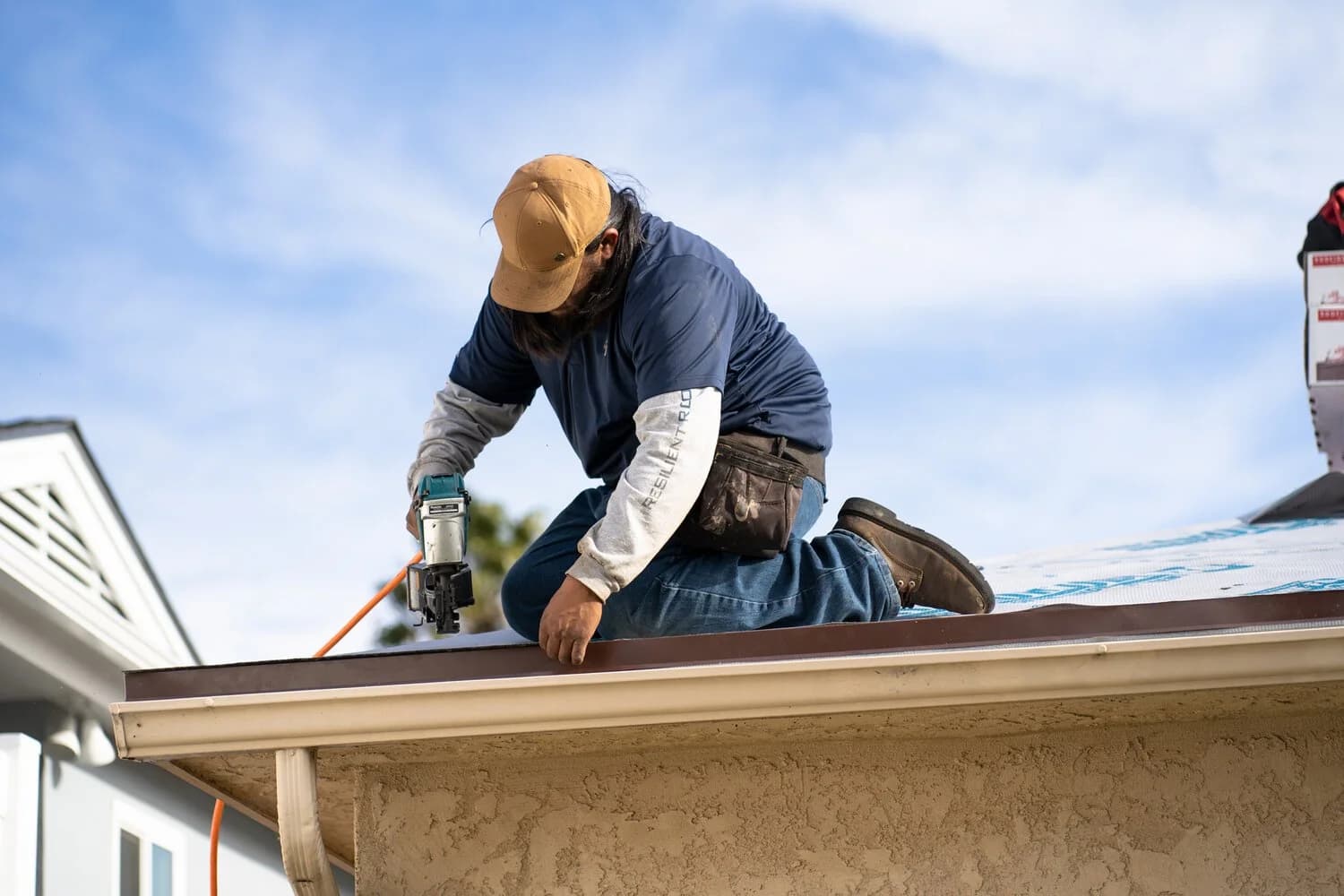
This is the part people get wrong most often. Ventilation works as a cycle: cool air enters low at the soffits or eaves, rises as it warms, and exits high at the ridge or upper vents. If you have plenty of exhaust at the top but not enough intake at the bottom, the system starves and pulls air from wherever it can, including your living space. The goal is roughly equal intake and exhaust, with a slight edge toward intake. Adding more roof vents won't help if the soffits are blocked or undersized. Insulation pushed against the eaves is a frequent culprit, quietly choking off the intake the whole system depends on.
Why It Matters in San Diego
Our climate puts ventilation to work year-round. In summer, especially inland in areas like Santee or El Cajon, an under-ventilated attic can climb well past 130 degrees and bake your ceilings, driving up cooling costs and shortening shingle life. That trapped heat doesn't just inflate your bills; over the years it ages the roof from below. In the cooler, damper months, the marine layer raises humidity, and trapped moist air in a stuffy attic can lead to condensation, mildew, and wood rot. Good airflow handles both heat and moisture in one stroke.
Signs You're Short on Ventilation
You don't always need a tape measure to suspect a problem. Rooms directly under the roof that run much hotter than the rest of the house, unusually high summer cooling bills, frost or condensation on the underside of the roof deck, or shingles that curled and aged early are all clues your attic isn't breathing well. A quick inspection can confirm whether your current vents meet your attic's needs or fall short. Insulation plays a role here too, since keeping summer heat out and venting it away work hand in hand. It's also worth checking after any roof work, since vents are sometimes covered or removed during a re-roof and never properly restored.
If you're not sure your roof is ventilating the way it should, we can measure your attic, check the balance of intake and exhaust, and recommend exactly what it needs. Send us a message or call (619) 501-2138, and we'll help your roof breathe easier and last longer.
Ready for a roof you can count on?
Call (619) 501-2138 or request your free, no-pressure consultation.