
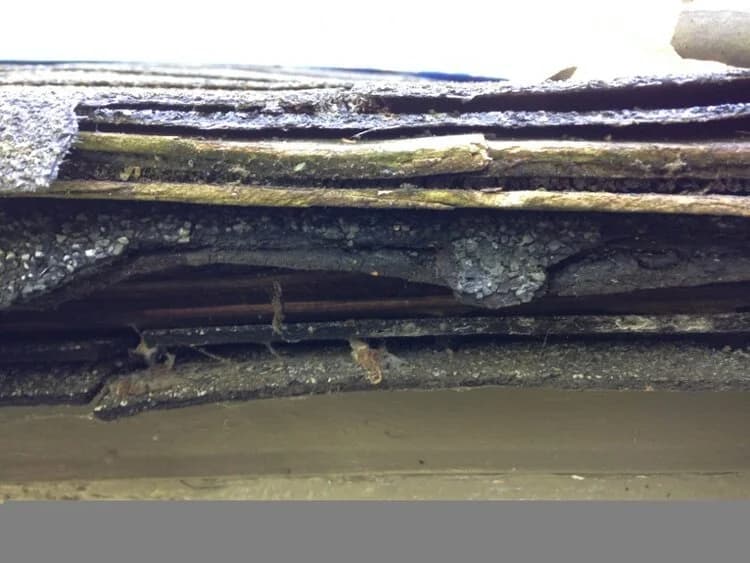
It usually happens at the worst time — a storm rolls in overnight, and you wake up to water spreading across the ceiling or dripping into a bucket. When a roof fails mid-storm, every hour of exposure means more water in the structure. A temporary tarp won't fix the roof, but it can dramatically limit the damage while you wait for a professional repair. Knowing what to do in that window matters.
First, Protect the Inside
Before you think about the roof itself, contain the damage indoors. Move furniture and valuables out of the way, lay down towels or a tarp to protect flooring, and set out buckets to catch dripping water. If water is pooling above a ceiling and bulging the drywall, a small relief hole poked over a bucket can release the pressure and keep the whole ceiling from coming down at once — counterintuitive, but it limits the mess. Then, if water is anywhere near light fixtures or wiring, shut off power to the affected area at the breaker. Safety comes before saving the carpet.
When and How Tarping Helps
A properly placed tarp sheds water away from the breach and buys time until a real repair is possible. The idea is to cover the damaged area and well past it, anchoring the tarp so wind and rain can't get underneath.
- Use a heavy-duty waterproof tarp larger than the damaged area
- Run it from the ridge down past the eave so water flows off, not under
- Secure the edges with boards or sandbags, not just loose weights
Know Your Limits — Stay Off a Wet Roof
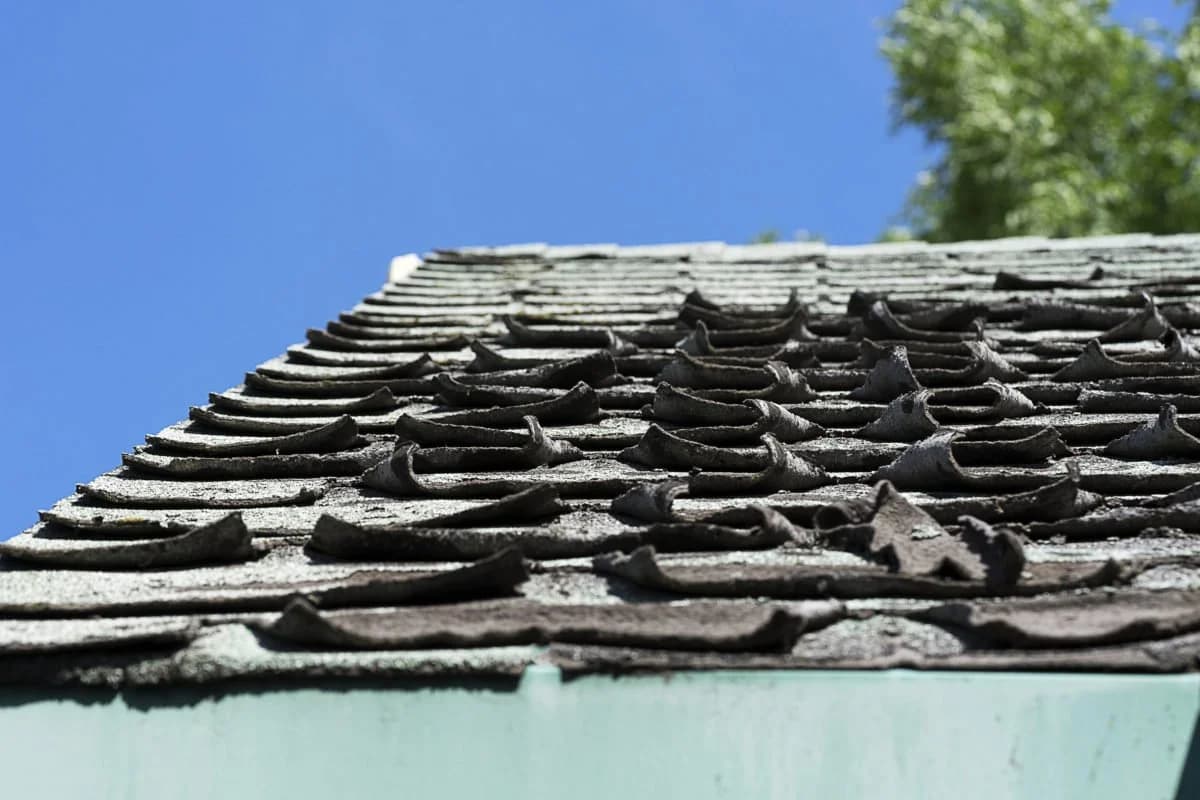
This is the part we can't stress enough: a wet, storm-battered roof is dangerously slick, and walking your own roof is riskier than it looks even on a dry day. Many of the most serious roofing injuries happen during exactly these conditions — wind, rain, and a homeowner trying to do the right thing. If the roof is steep, the weather is still active, or you can't reach the spot safely from a stable, secured position, do not climb up. The damage to your ceiling can be repaired; a fall from a roof is a far worse outcome. Handle what you can from inside, document the situation with a few photos, and call for professional help. No leak is worth a trip to the emergency room.
Get a Real Repair Soon After
A tarp is a stopgap, not a solution. It can hold for a short time, but our strong UV and the occasional gusty Santa Ana will degrade it quickly, and the underlying damage keeps quietly progressing until it's properly addressed. Trapped moisture in decking and insulation can also lead to rot and mold if it lingers. Once the storm passes, it's worth checking the rest of the roof for damage, since one breach often means others. The sooner a roofer can inspect the breach, dry things out, and make a lasting repair, the less you'll spend on water damage down the line — and the sooner you can stop worrying every time the forecast calls for rain.
Dealing with a storm leak or need a tarp made right? Request help now or give us a call — we'll get your roof covered and lined up for a permanent fix.
Ready for a roof you can count on?
Call (619) 501-2138 or request your free, no-pressure consultation.