
When the Santa Ana winds kick up in the fall, they don't just rattle the windows — they tug at your roof. Strong gusts can lift the edges of shingles, break their seal, and in the worst cases peel them off entirely. The frustrating part is that wind damage often starts small and stays hidden until the first rain finds the gap. Understanding how wind uplift works is the first step to staying ahead of it.
How Wind Lifts a Roof
Wind doesn't just push against your roof; as it moves across the surface, it creates suction that pulls shingles upward — the same physics that lets an airplane wing generate lift. Shingles are designed to resist this with adhesive sealant strips that bond each row to the one below. As a roof ages, those seals weaken, and once a shingle's edge catches the wind, the gusts can work it loose row by row.
The danger compounds quickly. A single lifted shingle exposes the edge of the one beneath it, giving the next gust an even better grip. What starts as one loose tab on a windy afternoon can become a patch of missing shingles by the end of a Santa Ana event — and an open path for the next rain.
Why the Edges and Ridges Are Most Vulnerable
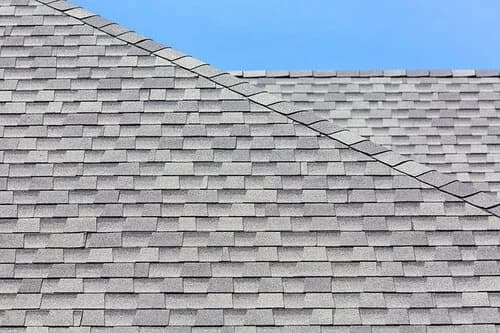
The perimeter of your roof — the eaves, rakes, and ridge — takes the strongest forces during a windstorm. That's where uplift usually begins. Older shingles that have grown brittle from years of San Diego sun are especially prone, because they crack rather than flex when the wind grabs them.
Spotting the Damage After a Windy Stretch
After a round of strong Santa Anas, it's worth a careful look from the ground or a safe vantage point. Watch for shingles that look lifted, curled, or out of line, and check the yard and gutters for granules or torn shingle pieces that blew down. Inside, a fresh water stain after the next rain is a telltale sign that wind opened up a path you couldn't see from below. Loose debris on the roof, like branches knocked down by the gusts, is also worth clearing before it scuffs the surface.
Preventing the Next Round of Trouble
The best defense is catching weak spots before the wind exploits them. A pre-season inspection can identify shingles that have lost their seal, missing fasteners, and worn edges, and re-securing or replacing them is far cheaper than repairing water damage later. Folding that check into a broader fall roof plan ahead of the rainy season is one of the smartest moves you can make. Paying extra attention to the ridge and eaves, where uplift starts, gives you the most protection for the effort. If your roof is older and losing shingles every windy season, that's often a sign it's nearing the end of its service life.
It also helps to think about the bigger picture. Proper installation is what makes a roof wind-resistant in the first place — the right fasteners, correct nailing patterns, and sealed-down starter courses along the edges all matter. When a roof is installed well and kept in good repair, it can ride out our Santa Ana season without trouble year after year. When those details are missing, even a moderate gust can find the weak spot and start unraveling things.
Did the last windstorm leave your roof looking a little ragged? Schedule a free inspection or give our team a call — we'll check for uplift damage and get your roof buttoned up before the rain arrives.
Ready for a roof you can count on?
Call (619) 501-2138 or request your free, no-pressure consultation.