
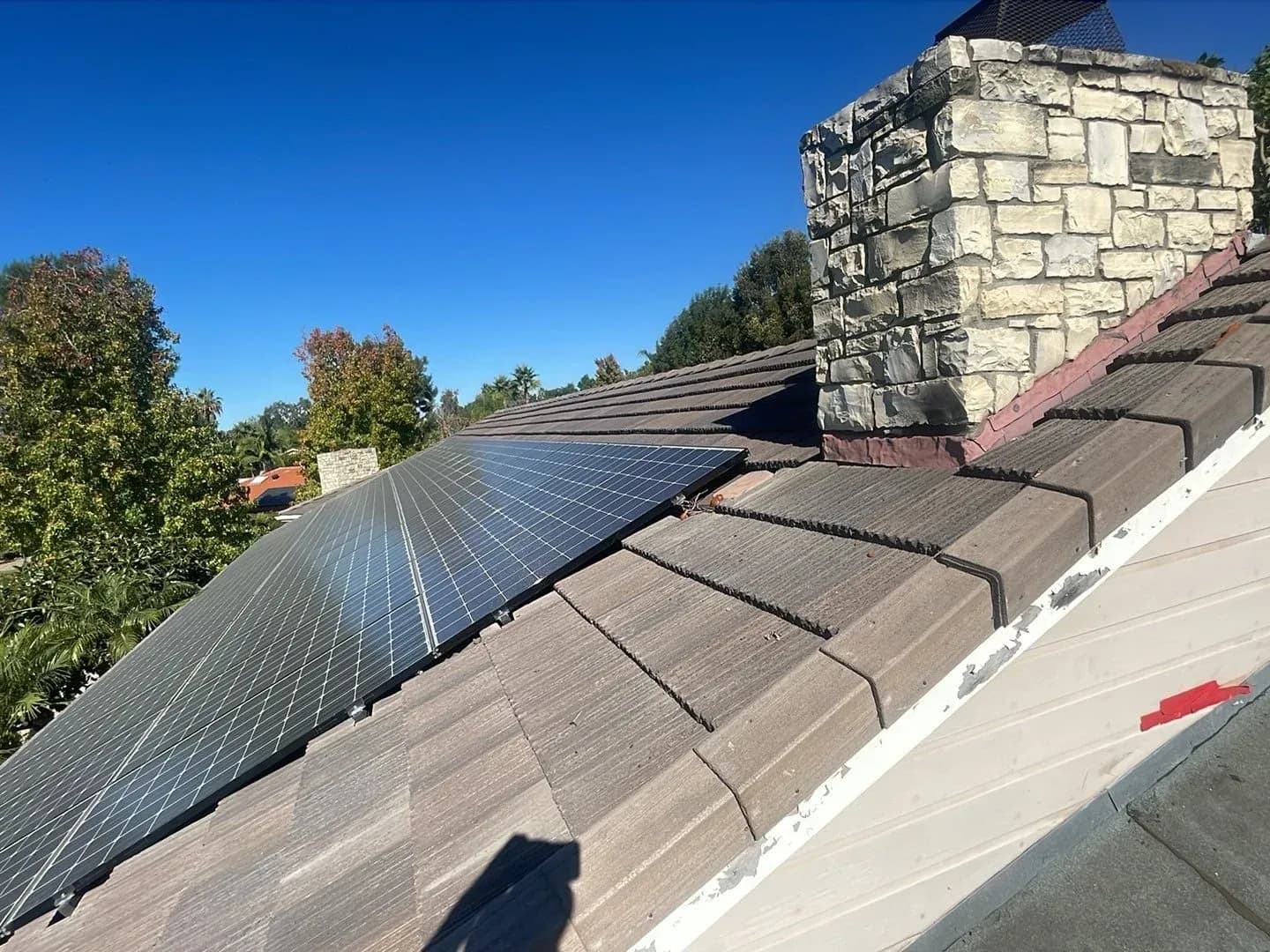
Solar makes a lot of sense in San Diego. We get the sunshine for it, the energy savings add up over time, and panels have become a popular upgrade on homes all across the county. But there's a step that's easy to rush past in the excitement of going solar: making sure the roof underneath is actually ready to carry an array. Panels are built to last decades, and you really don't want them sitting on a roof that won't keep up. A little homework now saves a lot of expense later. Here's what to sort out before the installer arrives.
Check the Roof's Age and Condition
This is the big one. Solar panels typically last 25 years or more, so if your roof is already aging, brittle, or worn, you could find yourself paying to fully remove and then reinstall an entire array just to replace the roof beneath it down the road. That's a costly, avoidable headache. If your roof is anywhere near the end of its service life, replacing it before, or at the very same time as, the solar install almost always saves money and hassle in the long run. The two projects pair naturally.
Consider Your Roofing Material
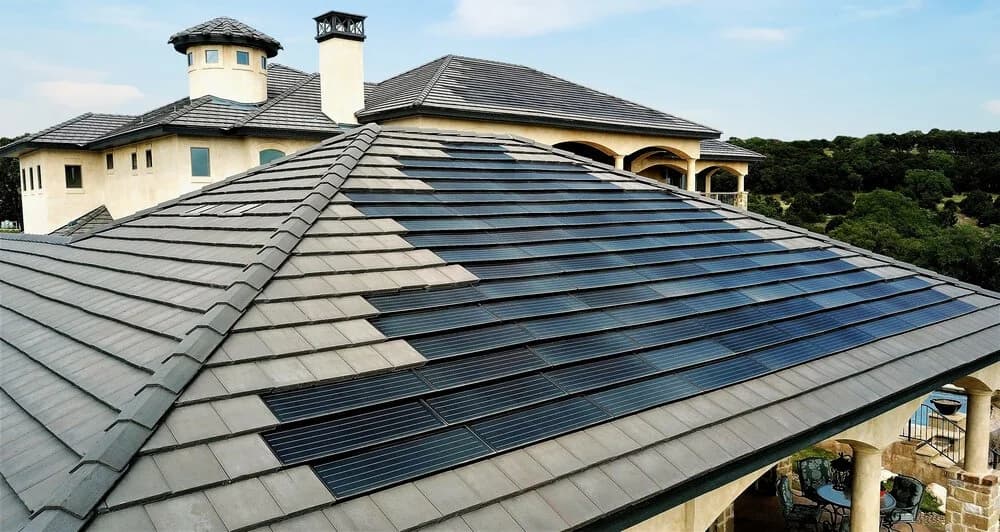
Different materials handle solar differently, and that matters more than most homeowners expect. Asphalt shingle is the most straightforward surface to mount on. Tile, which covers so many San Diego homes, absolutely can take solar, but it requires special mounts and an installer genuinely experienced with tile, so panels go on without cracking the surrounding pieces or creating leak paths. Flat roofs use tilted racking systems to angle the panels toward the sun. The way panels sit on the surface also affects how much they heat up, which is worth understanding since protecting roof-mounted solar panels from summer heat keeps them running efficiently in our climate. Knowing exactly how your specific roof interacts with mounting hardware is what prevents leaks and surprises later on.
Think About Layout and Penetrations
Every mounting point is a penetration straight through your roof, and each one has to be properly flashed and sealed to stay watertight for the long haul. Beyond waterproofing, the layout itself matters: orientation, slope, and shading from chimneys, vents, or nearby trees all affect both how much energy you'll actually capture and where the hardware can land. A roof that's been evaluated with solar specifically in mind sets up a cleaner, more efficient, leak-free install, instead of one where the panels and the roof are working against each other.
Coordinate the Two Projects
The smoothest path by far is having your roofer and your solar installer on the same page from the very start. When the roof is confirmed sound, the material is solar-friendly, and the mounting plan is solid, you get the full benefit of both investments without one undermining the other. Rushing the order, panels first, roof questions later, is where homeowners tend to get burned — and where you can end up paying for a full remove-and-reinstall of the array just to replace the roof underneath. A quick roof evaluation before you sign anything with a solar company is one of the most worthwhile steps you can take. It tells you whether you're ready to move forward, whether a reroof should come first, and how to sequence the work so you're not paying twice. Going solar is a great decision in this climate, it just works best when the roof carrying those panels is every bit as ready as you are.
Request a solar-readiness roof check or give our team a call — we'll tell you honestly whether your roof is set for panels or worth addressing first.
Ready for a roof you can count on?
Call (619) 501-2138 or request your free, no-pressure consultation.