

San Diego spends most of the year dry, then the first real storm of the season rolls in and finds every weak spot your roof has been hiding. Because our rain is infrequent but can come down hard, a roof that looked fine all summer can suddenly leak the moment it gets tested. Fall is the window to get ahead of that, while the weather is still mild and a roofer can work in comfort.
Why Our Dry Season Is Deceiving
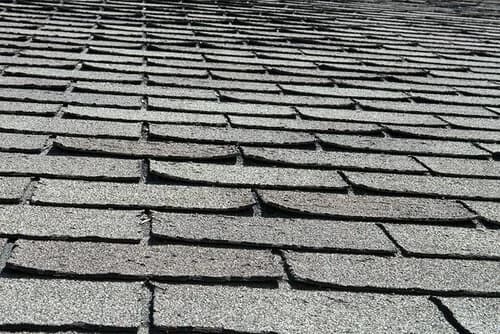
Months of sun and heat quietly age a roof. Shingles dry out, granules wash into the gutters, sealant around vents and flashing cracks, and small gaps open up. None of it causes a problem while the skies are clear. Then the first downpour arrives and water finds every one of those openings at once.
That's why the smartest time to inspect is before the rain, not after the ceiling stain appears. A fall inspection that gets ahead of winter leaks catches these problems while they're still cheap to fix. Fall also happens to be when good roofers have a little more breathing room in their schedules, so any repairs you need can usually be handled quickly and on dry materials, which makes for a better-lasting fix.
What to Look For This Fall
You can spot many warning signs from the ground or a ladder without climbing onto the roof:
- Shingles that are cracked, curling, or missing entirely
- A buildup of granules in the gutters or at the base of downspouts
- Cracked or peeling sealant around vents, pipes, and chimneys
- Stains or sagging on your interior ceilings
Any of these is a sign the roof could use attention before the weather turns. Pay special attention to the flashing where the roof meets walls, chimneys, and skylights, since those transitions are where the great majority of leaks begin. A bead of sealant that's gone brittle over a long, hot summer is exactly the kind of small flaw that the first storm exploits, which is why sealing up roof penetrations before the weather turns is such a worthwhile fall task.
Clear the Path for Water
Rain only protects you if it can drain. Spend an afternoon clearing leaves and debris from gutters and downspouts so water flows away from the house instead of pooling at the eaves or backing up under the shingles. After months of dry weather, gutters tend to be packed with dust, dropped leaves, and shingle granules, so don't assume they're clear just because it hasn't rained.
Trim back branches that overhang the roof, too, since they drop debris and can scrape shingles in a windy storm. While you're at it, confirm that downspouts actually carry water several feet away from the foundation rather than dumping it right against the house. If you want a fuller plan for the months ahead, our guide to getting ahead of the rainy season walks through it step by step.
Don't Wait for the First Drip
Once the rainy stretch begins, roofers get busy fast and a small repair can turn into an emergency call. Handling the little things now, a few replaced shingles or a fresh bead of sealant, is far easier than chasing a leak in the middle of a storm.
Want a professional set of eyes on your roof before the season's first rain? Book a free inspection or give us a call — we'll find the small issues now so they don't become big ones later.
Ready for a roof you can count on?
Call (619) 501-2138 or request your free, no-pressure consultation.